Sensitive Teeth Consultation
Description
Sensitive Teeth Consultation in Wakad & Pimple Gurav, Pune | OralNest Dental Clinic
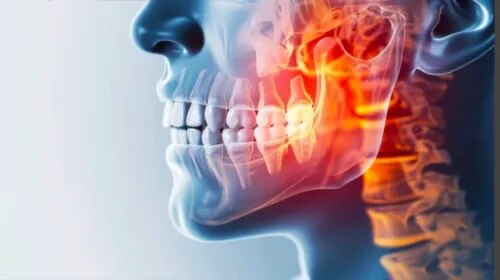
Do you experience a sudden, sharp sensation in your teeth when drinking cold water, eating ice cream, having hot beverages or consuming something sweet? Tooth sensitivity can make ordinary eating and drinking uncomfortable, but the cause is not always the same. It may be associated with exposed dentine, gum recession, enamel wear, tooth decay, a cracked tooth or an underlying problem involving the dental pulp.
At OralNest Dental Clinic, a Sensitive Teeth Consultation focuses on identifying why your teeth react to certain triggers rather than simply recommending a sensitivity toothpaste. Dr. Ashutosh Dighe, BDS, MDS – Oral Medicine & Maxillofacial Radiology, PhD Scholar, Fellowship in Contemporary Endodontics, Certified Endodontist, follows a clinically guided approach to evaluating oral symptoms and determining whether sensitivity requires preventive care, restorative treatment or further investigation.
1) Why Do Your Teeth Become Sensitive to Hot, Cold or Sweet Foods?
Tooth sensitivity commonly occurs when dentine, the layer beneath the enamel, becomes exposed. Dentine contains microscopic channels that can transmit stimuli towards the nerve inside the tooth. Gum recession, enamel erosion, excessive brushing pressure and tooth wear can contribute to this exposure.
However, sensitivity can also have other causes, including:
- Tooth decay or a damaged filling
- Cracks or fractures in a tooth
- Gum recession and exposed root surfaces
- Enamel erosion associated with acidic foods and drinks
- Tooth grinding or clenching
- Sensitivity following certain dental procedures
- Inflammation of the dental pulp
The pattern of discomfort can provide useful clues. Brief sensitivity that stops quickly after the trigger is removed may have a different cause from spontaneous pain, lingering heat sensitivity or pain that wakes you at night. These symptoms should be assessed rather than diagnosed from sensation alone.
2) What Happens During a Sensitive Teeth Consultation?
The consultation begins with understanding when the sensitivity occurs, how long it lasts, which teeth are affected and whether the discomfort is becoming more frequent or severe. Your dental history, oral hygiene practices, dietary habits and previous dental treatments may also be relevant.
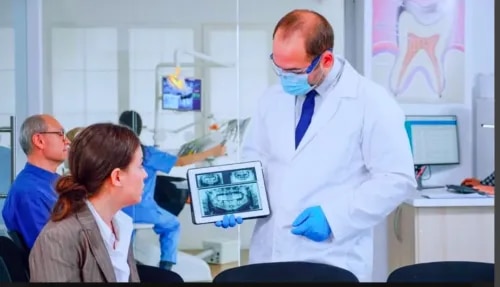
The examination may include checking for cavities, cracks, worn enamel, gum recession, defective restorations and signs of pulp inflammation. Depending on the findings, appropriate sensitivity tests or dental X-rays may be recommended.
Treatment depends on the cause. Some patients may benefit from desensitising toothpaste, fluoride-based measures, improved brushing technique or advice about reducing acid exposure. Others may need a filling, repair of a damaged restoration, treatment for gum-related concerns or Root Canal Treatment if the dental pulp is irreversibly inflamed or infected.
The objective is to identify the reason for the sensitivity and select treatment accordingly. Treating every sensitive tooth in the same way may overlook an underlying problem that needs attention.
3) When Should Tooth Sensitivity Not Be Ignored?
Occasional, brief sensitivity may not indicate extensive damage, but persistent or worsening symptoms deserve evaluation. Pain that continues after hot or cold stimuli have been removed, spontaneous toothache, pain while biting or sensitivity localised to one tooth may indicate a problem beyond simple dentine exposure.
An examination is particularly important if sensitivity is accompanied by a visible cavity, a broken tooth, gum swelling or a history of dental trauma. Facial swelling, fever or rapidly worsening pain requires prompt dental assessment; difficulty breathing or swallowing requires immediate emergency medical care.
Early evaluation can help distinguish manageable sensitivity from decay, cracks or pulp disease. It also helps avoid unnecessary treatment by identifying which teeth need intervention and which may respond to preventive measures.
Sensitive Teeth Consultation in Wakad & Pimple Gurav, Pune
Patients looking for a Sensitive Teeth Consultation in Wakad or Pimple Gurav, Pune, may be struggling with cold drinks, hot tea, sweet foods or discomfort while brushing. A dental assessment can help identify whether the problem is related to exposed dentine, gum recession, tooth decay, enamel wear or another condition.
OralNest Dental Clinic serves patients from Wakad, Pimple Gurav, Rahatani, Pimple Saudagar, Hinjawadi, Baner, Balewadi, Tathawade and nearby areas of Pimpri-Chinchwad. Whether sensitivity affects several teeth or a single tooth, the appropriate treatment depends on the symptoms, examination findings and underlying cause.
Frequently Asked Questions About Sensitive Teeth Consultation
1. Why do my teeth hurt when I drink cold water?
Cold sensitivity may occur when dentine is exposed because of enamel wear, gum recession or other factors. However, tooth decay, cracks and pulp inflammation can also cause cold sensitivity. An examination helps distinguish between these possibilities.
2. Can sensitive teeth be treated without a procedure?
Yes, depending on the cause. Desensitising toothpaste, fluoride-based care and changes in brushing or dietary habits may help some patients. If sensitivity results from decay, a crack or another dental problem, additional treatment may be necessary.
3. Does tooth sensitivity mean I need Root Canal Treatment?
No. Most sensitivity does not automatically require a root canal. The decision depends on whether the dental pulp is healthy, reversibly irritated or irreversibly damaged or infected, which must be assessed clinically.
4. Why do my teeth remain sensitive even after using sensitive toothpaste?
Persistent sensitivity may mean that the underlying cause has not been addressed, or that the product needs more time to help. A cavity, cracked tooth, gum recession or pulp problem may require specific treatment rather than toothpaste alone.
5. When should I consult a dentist for sensitive teeth?
Arrange an assessment if sensitivity persists, worsens, affects one particular tooth, causes pain while biting or lingers after hot or cold exposure. Severe pain, swelling or other unusual symptoms should not be ignored.
Tooth sensitivity is a symptom, not a diagnosis. At OralNest Dental Clinic, the focus is on understanding what triggers the discomfort, identifying the underlying cause and recommending appropriate care to help you eat, drink and maintain your oral hygiene more comfortably.