Oral Cancer Screening
Description
Oral Cancer Screening in Wakad & Pimple Gurav, Pune | OralNest Dental Clinic
Have you noticed a persistent mouth ulcer, a white or red patch, an unusual lump, unexplained bleeding or a change in the appearance of your tongue or inner cheeks? Such changes can occur for several reasons, and not every oral lesion is cancerous. However, recognising unusual changes and getting them assessed promptly is important because early oral cancer may not always cause significant pain or obvious discomfort.
At OralNest Dental Clinic, patients seeking oral cancer screening in Wakad and Pimple Gurav, Pune, can receive a clinical examination of the oral tissues and guidance about any suspicious findings. Dr. Ashutosh Dighe (BDS, MDS – Oral Medicine & Maxillofacial Radiology, PhD Scholar, Fellowship in Contemporary Endodontics, Certified Endodontist) evaluates relevant clinical findings to help identify abnormalities that may require further investigation, specialist referral or additional diagnostic procedures.
1) When Should You Consider Oral Cancer Screening?
Oral cancer screening may be appropriate if you notice a persistent ulcer, a red or white patch, a lump or thickened area inside the mouth, unexplained bleeding, difficulty moving your tongue normally or a change in swallowing comfort. A persistent sore throat, a neck lump or unexplained changes involving the lips or oral tissues may also require professional evaluation.
Tobacco use, including smoking and smokeless tobacco, and areca nut or betel quid use are important risk factors for oral cancer. Alcohol consumption can also contribute to risk, particularly when combined with tobacco use. However, oral cancer can occur in people without these risk factors, so unusual oral changes should not be ignored simply because you do not use tobacco.
Screening is particularly valuable when it helps identify an abnormality that needs closer assessment. A lesion that lasts longer than two weeks, repeatedly bleeds, develops into a lump or shows persistent red or white changes should be examined promptly rather than repeatedly treated with home remedies.
2) What Happens During an Oral Cancer Screening Consultation?
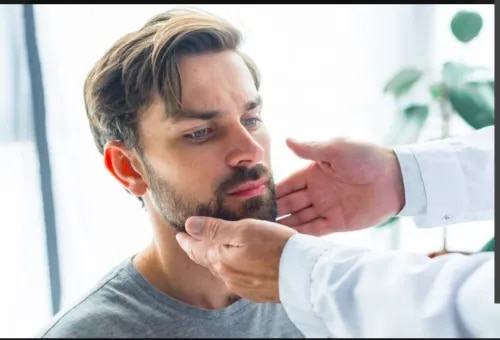
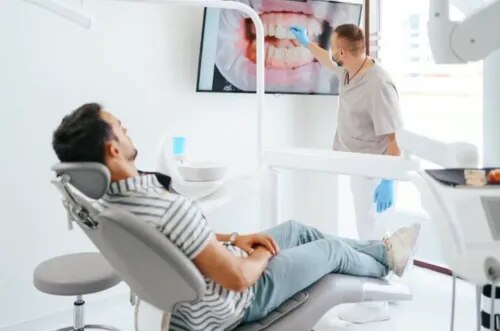
The consultation may include a discussion of your symptoms, their duration, tobacco or areca nut exposure, relevant medical history and previous oral problems. The clinical examination may involve the lips, inner cheeks, gums, tongue, floor of the mouth, palate and other accessible oral tissues. The neck may also be examined when clinically indicated.
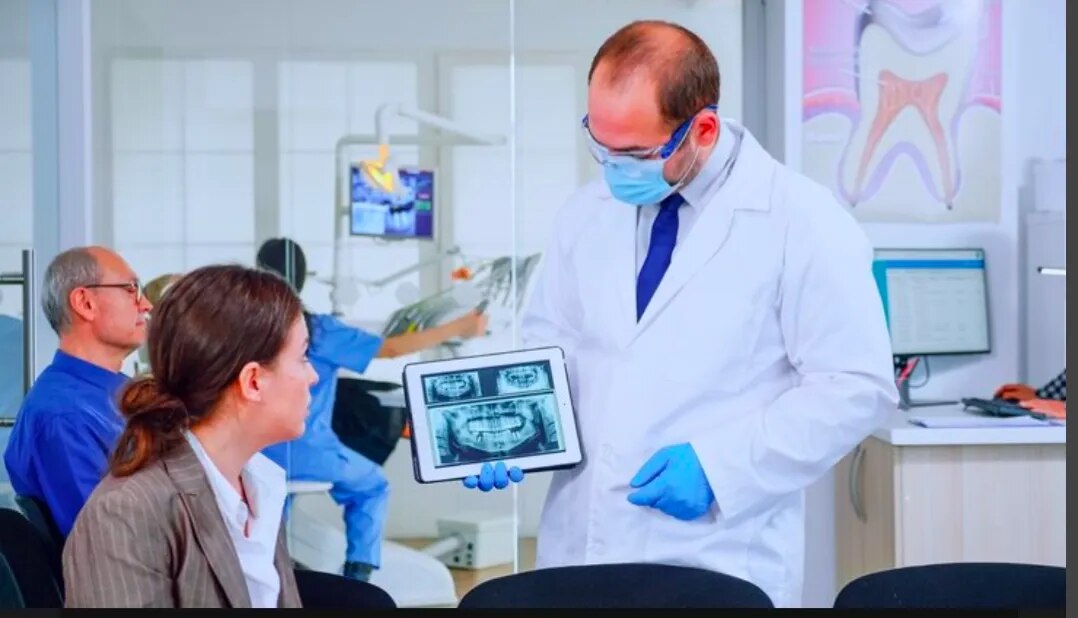
If an unusual area is identified, its appearance, location, size and other clinical characteristics help determine the next steps. Depending on the findings, additional investigations, specialist referral or a biopsy may be recommended. A biopsy involves examining a tissue sample to establish a diagnosis when required.
It is important to understand that a visual examination alone cannot confirm or exclude oral cancer. Screening identifies abnormalities that may need further assessment; a definitive diagnosis may require additional investigations. Not every suspicious-looking lesion is cancerous, but persistent or concerning findings should not be left unevaluated.
3) Why Is Early Evaluation of Oral Changes Important?
Some potentially serious oral lesions may initially appear as small patches, ulcers or areas of thickened tissue without causing substantial pain. Waiting for pain to develop may delay the assessment of an important abnormality.
Many oral changes are caused by non-cancerous conditions, including irritation, trauma and inflammatory problems. However, appearance alone may not reliably distinguish every harmless lesion from one requiring further investigation. A structured clinical assessment helps determine whether observation, removal of an irritant, follow-up, biopsy or specialist evaluation is appropriate.
People who use tobacco or areca nut should understand their increased risk and seek professional guidance about stopping these exposures. Maintaining regular dental visits and reporting persistent changes can also help ensure that concerning findings receive appropriate attention.
Oral Cancer Screening in Wakad & Pimple Gurav
OralNest Dental Clinic welcomes patients from Wakad, Pimple Gurav, Rahatani, Pimple Saudagar, Hinjawadi, Baner, Balewadi, Tathawade and nearby Pimpri-Chinchwad areas seeking assessment of unusual oral changes and guidance about oral cancer screening.
Whether you have noticed a persistent mouth ulcer, a white or red patch, an unexplained lump or another change inside your mouth, a personalised consultation can help determine whether further investigation is needed. Do not wait for a lesion to become painful before seeking assessment.
Frequently Asked Questions
1) What is oral cancer screening?
Oral cancer screening involves examining the accessible tissues of the mouth for unusual changes that may require further evaluation. It helps identify suspicious abnormalities but does not, by itself, establish a cancer diagnosis.
2) Does every white patch or mouth ulcer indicate oral cancer?
No. Many oral ulcers and patches have non-cancerous causes. However, persistent, unexplained or changing lesions should be professionally assessed to determine whether further investigation is necessary.
3) How long should I wait before getting a mouth ulcer examined?
Many ordinary mouth ulcers heal within one to two weeks. An ulcer that persists beyond two weeks, repeatedly bleeds, develops a lump or shows other concerning changes should be evaluated promptly.
4) Can oral cancer occur in people who do not use tobacco?
Yes. Although tobacco and areca nut exposure are important risk factors, oral cancer can also occur in people without these exposures. Persistent or unusual oral changes deserve assessment regardless of personal risk factors.
5) Can an oral cancer screening confirm whether I have cancer?
No. Screening can identify suspicious areas, but a clinical examination alone cannot definitively confirm or exclude cancer. A biopsy or other investigations may be necessary when indicated.
At OralNest Dental Clinic, oral cancer screening focuses on identifying unusual changes, assessing their clinical significance and determining whether further investigation is required. Paying attention to persistent oral symptoms and seeking timely professional evaluation can help ensure that concerning findings are not overlooked. If you notice a change that does not heal as expected, arrange an assessment rather than repeatedly self-treating it.