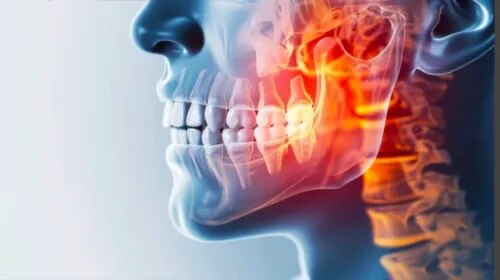
Bad Breath Consultation
Description
Bad Breath Consultation in Wakad & Pimple Gurav, Pune | OralNest Dental Clinic
Persistent bad breath, also known as halitosis, can be frustrating even when you brush regularly, use mouthwash and maintain your daily oral hygiene. The problem may return because the underlying cause has not been identified. Bad breath can be associated with plaque accumulation, gum disease, tooth decay, food trapped between teeth, a coated tongue or reduced saliva flow. In some cases, tonsil-related conditions, sinus problems, certain medicines or other health concerns may also contribute.
At OralNest Dental Clinic, Bad Breath Consultation focuses on identifying the possible source of the odour rather than relying on temporary masking products alone. Dr. Ashutosh Dighe, BDS, MDS – Oral Medicine & Maxillofacial Radiology, PhD Scholar, Fellowship in Contemporary Endodontics, Certified Endodontist, brings a specialist-oriented approach to assessing oral conditions and unexplained symptoms. The aim is to help patients understand the likely cause of persistent bad breath and determine which treatment or further evaluation may be appropriate.
1) Why Does Bad Breath Persist Despite Brushing?
Bad breath often originates inside the mouth. Bacteria can break down food debris, shed cells and other substances, releasing odour-producing compounds. If the contributing factors remain, the smell may return even after brushing or rinsing.
Common causes include:
- Plaque and tartar accumulation around the teeth
- Gum inflammation or periodontal disease
- Tooth decay, damaged teeth or infected dental tissues
- A coated tongue, particularly towards the back
- Food trapped between teeth or around dental restorations
- Dry mouth or reduced saliva flow
- Tobacco use and certain dietary habits
- Some tonsil, sinus or other medical conditions
Persistent bad breath should not automatically be attributed to poor oral hygiene. The cause may involve more than one factor, and identifying it requires considering your symptoms, oral health and relevant medical history.
2) What Happens During a Bad Breath Consultation?
The assessment begins with understanding when the odour occurs, how long it has persisted, whether your mouth feels dry and whether you have noticed bleeding gums, tooth pain, a coated tongue or other symptoms. Your oral hygiene routine, medication history and relevant health concerns may also help guide the evaluation.
The examination may include checking for cavities, gum disease, plaque and tartar, food-retentive areas, tongue coating and signs of reduced saliva. Depending on the findings, professional dental cleaning, treatment of decay, periodontal care or further evaluation may be recommended.
If the likely cause does not appear to be within the mouth, you may be advised to seek assessment from an appropriate medical professional, such as an ENT specialist, depending on your symptoms. Not every patient requires extensive investigations. The appropriate approach is to identify the most likely cause and investigate further when clinically indicated.
3) How Can You Prevent Bad Breath from Returning?
Long-term improvement depends on addressing the underlying cause and maintaining effective daily oral hygiene. Brush twice daily with fluoride toothpaste, clean between your teeth every day and gently clean your tongue. Drink sufficient water and discuss persistent dry mouth with your dentist, particularly if it began after starting a medication.
Other helpful measures include:
- Attending dental reviews at an appropriate interval
- Getting professional cleaning when plaque or tartar requires removal
- Treating gum disease and untreated cavities
- Cleaning around dental restorations carefully
- Avoiding tobacco products
- Limiting frequent consumption of foods or drinks that worsen dryness or odour for you
Mouthwash may help in selected situations, but it cannot replace treatment for gum disease, tooth decay or other underlying conditions. If bad breath continues despite good oral hygiene, repeating the same routine or frequently changing products may not solve the problem. A targeted assessment can help identify what needs attention.
Bad Breath Consultation in Wakad & Pimple Gurav, Pune
Patients searching for Bad Breath Consultation in Wakad or Pimple Gurav, Pune, may be concerned about persistent mouth odour, an unpleasant taste, a coated tongue, dry mouth or bad breath that returns soon after brushing. A dental assessment can help identify whether the problem is associated with the teeth, gums, tongue, saliva or another possible source.
OralNest Dental Clinic serves patients from Wakad, Pimple Gurav, Rahatani, Pimple Saudagar, Hinjawadi, Baner, Balewadi, Tathawade and nearby areas of Pimpri-Chinchwad. Whether you experience bad breath occasionally or have been struggling with it for a long time, the focus is on understanding the likely cause and choosing appropriate care rather than simply masking the odour.
Frequently Asked Questions About Bad Breath Consultation
1. Why do I have bad breath even after brushing my teeth?
Brushing may not remove all the plaque between teeth or around the gumline, and it may not address tongue coating, gum disease, cavities or dry mouth. A consultation can help identify the factors responsible for persistent odour.
2. Can gum disease cause persistent bad breath?
Yes. Plaque accumulation and periodontal disease can contribute to persistent mouth odour and an unpleasant taste. Treatment depends on the condition of the gums and the extent of any supporting tissue damage.
3. Can a coated tongue cause bad breath?
Yes. Bacteria and debris can accumulate on the tongue's surface, particularly towards the back, and contribute to odour. Gentle tongue cleaning may help, but persistent symptoms may have additional causes.
4. Can dry mouth lead to bad breath?
Yes. Saliva helps clear food debris and supports the natural balance of the mouth. Reduced saliva flow can allow odour-producing substances to accumulate. Persistent dry mouth should be assessed, particularly when associated with medication use or other symptoms.
5. When should I consult a dentist for bad breath?
Consider a consultation if bad breath persists despite regular oral hygiene, repeatedly returns after brushing or occurs alongside bleeding gums, tooth pain, dry mouth or an unpleasant taste. If the cause appears unrelated to the mouth, further medical evaluation may be appropriate.
Persistent bad breath is a symptom that deserves a proper explanation, not embarrassment or repeated attempts to mask it. At OralNest Dental Clinic, the focus is on assessing oral health, identifying possible contributing factors and recommending appropriate treatment or further evaluation to help patients manage the problem with greater confidence.