Bleeding Gums Treatment
Description
Bleeding Gums Treatment in Wakad & Pimple Gurav, Pune | OralNest Dental Clinic
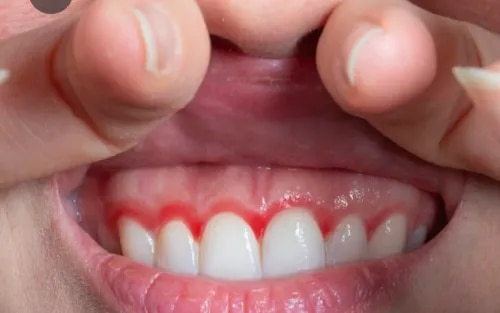
Bleeding gums while brushing, flossing or eating can be an early warning sign that your gums need attention. Many people assume that bleeding occurs because they brush too hard, but recurring bleeding may indicate plaque-related inflammation, tartar accumulation or an underlying gum condition. Although the problem may initially cause little discomfort, ignoring it can allow gum disease to progress.
At OralNest Dental Clinic, Bleeding Gums Treatment begins with identifying why the gums are bleeding rather than treating the symptom alone. Dr. Ashutosh Dighe, BDS, MDS – Oral Medicine & Maxillofacial Radiology, PhD Scholar, Fellowship in Contemporary Endodontics, Certified Endodontist, brings a specialist-oriented approach to oral assessment, helping patients understand the possible causes of bleeding and the investigations or treatment that may be appropriate.
1) Why Do Your Gums Bleed While Brushing?
The most common cause of bleeding gums is inflammation associated with plaque accumulation along the gumline. When plaque is not removed effectively, the gums may become red, swollen and more likely to bleed. If plaque hardens into tartar, professional cleaning may be necessary.
Other possible causes include:
- Gingivitis or more advanced gum disease
- Tartar deposits around or below the gumline
- Brushing technique or toothbrush irritation
- Local irritation around a dental restoration
- Hormonal changes that affect gum sensitivity
- Certain medicines or medical conditions that influence bleeding
The cause cannot always be identified from the symptom alone. If your gums bleed repeatedly, even when you brush gently, a dental examination can help determine whether gum inflammation, periodontal disease or another issue requires attention.
2) What Is the Right Treatment for Bleeding Gums?
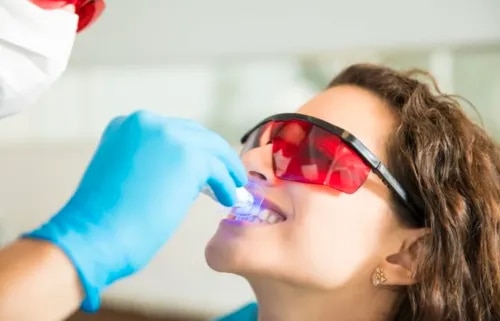
Treatment depends on the cause and severity of the problem. If plaque-related gingivitis is responsible, professional scaling and improved daily oral hygiene may help the gums recover. If tartar or deposits extend below the gumline and periodontal disease is present, deeper periodontal cleaning may be required.
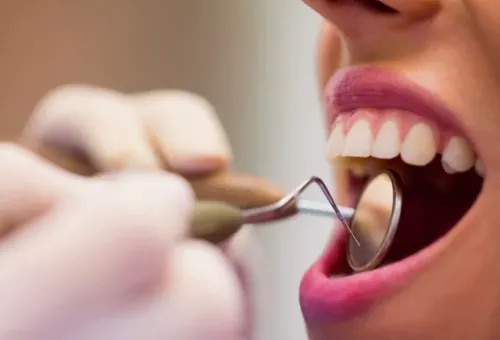
During an assessment, the dentist examines the gums, checks for plaque and tartar, evaluates gum pockets when indicated and considers whether additional investigations are needed. Patients may also receive guidance on brushing technique, cleaning between the teeth and maintaining oral hygiene without unnecessarily irritating the gums.
Bleeding that continues despite appropriate cleaning and home care requires further evaluation. If the bleeding is unusual, occurs without an obvious trigger or is accompanied by easy bruising or bleeding elsewhere, medical assessment may also be necessary. The aim is to address the underlying cause rather than repeatedly managing the symptom.
3) When Should You Be Concerned About Bleeding Gums?
Occasional bleeding can occur for different reasons, but recurring bleeding should not be considered normal. Early gum disease may cause few symptoms beyond bleeding, while advanced periodontal disease can damage the supporting tissues and bone around the teeth.
Seek a dental assessment if you notice persistent bleeding, swollen gums, gum recession, ongoing bad breath, pus near the gums or teeth that feel loose. If bleeding is heavy, spontaneous or difficult to stop, seek prompt professional or medical attention, particularly if you take blood-thinning medication or have a condition that affects blood clotting.
Early evaluation can help distinguish straightforward gum inflammation from more advanced disease or another cause. Once the reason is identified, the appropriate treatment and maintenance schedule can be planned according to your needs.
Bleeding Gums Treatment in Wakad & Pimple Gurav, Pune
Patients searching for Bleeding Gums Treatment in Wakad or Pimple Gurav, Pune, may be experiencing blood on their toothbrush, bleeding while flossing, swollen gums or persistent bad breath. A clinical examination can help identify whether plaque accumulation, tartar, gum disease or another condition is contributing to the problem.
OralNest Dental Clinic serves patients from Wakad, Pimple Gurav, Rahatani, Pimple Saudagar, Hinjawadi, Baner, Balewadi, Tathawade and nearby areas of Pimpri-Chinchwad. Whether your gums bleed occasionally or the problem has continued for weeks, the appropriate next step is to identify the cause and follow a treatment plan suited to your oral health.
Frequently Asked Questions About Bleeding Gums Treatment
1. Is it normal for gums to bleed while brushing?
Recurring bleeding is not something to ignore. It commonly occurs with gum inflammation caused by plaque, although brushing irritation and other factors can contribute. A dental assessment can help identify the cause.
2. Should I stop brushing if my gums bleed?
Do not abandon oral hygiene. Use a soft-bristled toothbrush and gentle technique, and clean between your teeth carefully. If bleeding persists, arrange a dental examination to determine whether treatment is needed.
3. Can dental scaling stop bleeding gums?
Scaling can help when plaque and tartar are contributing to gum inflammation. If periodontal disease is more advanced, additional treatment may be required. Results also depend on consistent home care and appropriate follow-up.
4. How long does it take for bleeding gums to improve?
Improvement depends on the cause, severity of inflammation and effectiveness of treatment and home care. If bleeding continues or worsens after appropriate care, the condition should be reassessed.
5. Can bleeding gums indicate a health problem beyond the mouth?
Yes. Certain medicines, blood-clotting problems and medical conditions can contribute to bleeding. If bleeding is spontaneous, unusually heavy or accompanied by bruising or bleeding elsewhere, seek medical evaluation as well as appropriate dental advice.
Bleeding gums are a symptom worth investigating, not simply a problem to tolerate during brushing. At OralNest Dental Clinic, the focus is on identifying the underlying cause, recommending appropriate gum care and helping patients understand how daily oral hygiene and follow-up can support healthier gums over time.