Dental Check-Up
Description
Dental Check-Up in Wakad & Pimple Gurav, Pune | OralNest Dental Clinic
A dental check-up is important even when your teeth do not hurt. Cavities, gum disease, worn teeth, early enamel damage and other oral health concerns may develop gradually without producing obvious symptoms. Regular dental examinations help you understand the condition of your teeth and gums, identify potential problems early and make informed decisions about preventive care.
At OralNest Dental Clinic, dental check-ups focus on understanding your current oral health rather than simply examining the teeth that are visible or painful. Dr. Ashutosh Dighe, BDS, MDS – Oral Medicine & Maxillofacial Radiology, PhD Scholar, Fellowship in Contemporary Endodontics, Certified Endodontist, brings a comprehensive perspective to oral assessment, helping patients understand their findings and the next steps that may be appropriate for their individual needs.
1) What Does a Comprehensive Dental Check-Up Include?
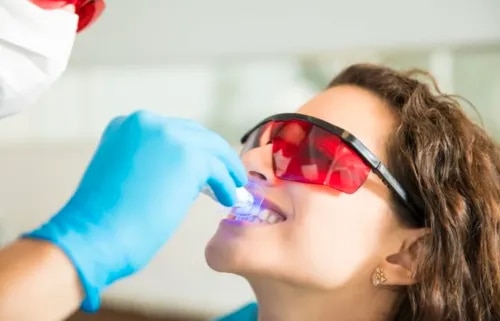
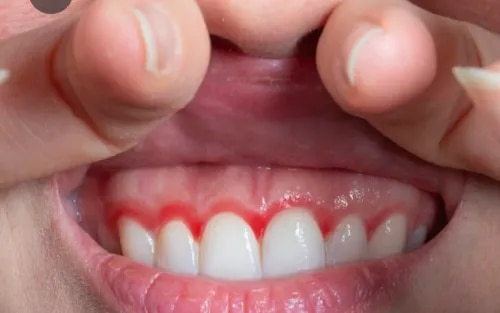
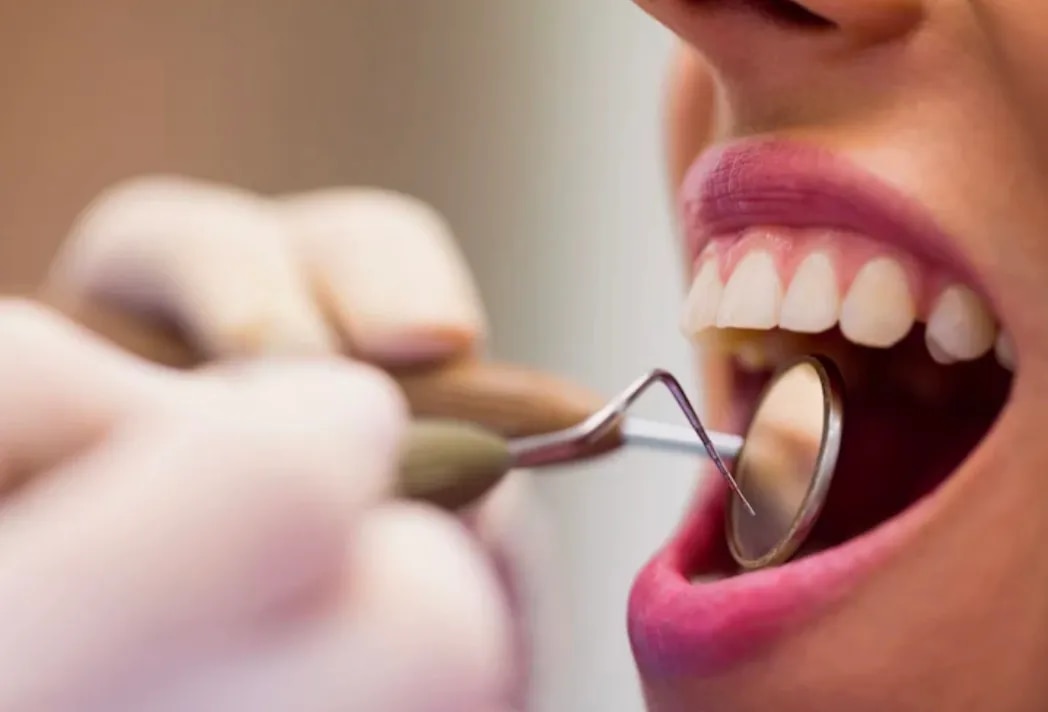
A dental check-up may involve examining the teeth for cavities, cracks, worn surfaces and existing fillings or crowns. The gums are assessed for inflammation, bleeding, recession and other signs of periodontal problems. Depending on your symptoms and clinical findings, the examination may also include an assessment of your bite, jaw movement, tooth sensitivity, oral soft tissues and areas of discomfort.
Dental X-rays are not automatically required at every visit. They may be recommended when the clinical examination and your dental history indicate that additional information is needed, such as checking between teeth, evaluating certain tooth roots or investigating a suspected problem.
2) Why Should You Get a Dental Check-Up Without Tooth Pain?
The absence of pain does not always mean that your teeth and gums are healthy. Early tooth decay may not cause discomfort, gum disease can progress with limited symptoms, and small cracks or failing restorations may initially go unnoticed.
A routine dental examination can help identify concerns before they become more complex. It also gives you an opportunity to discuss bleeding gums, persistent bad breath, sensitivity, food getting trapped between teeth, jaw discomfort or changes in your mouth that you may have been ignoring. The appropriate interval between check-ups depends on your oral health, dental history and individual risk factors.
3) What Happens If a Problem Is Found During Your Check-Up?
Finding a dental problem does not automatically mean that you need extensive treatment. The next step depends on the condition identified, its severity and whether it is affecting the tooth, gums or surrounding structures.
Some findings may require preventive advice and monitoring, while others may need a filling, professional cleaning, gum care, a crown, root canal treatment or further investigation. Where appropriate, different treatment options can be discussed along with their benefits, limitations and likely maintenance requirements. Understanding the reason for a recommendation helps you make a more confident and informed decision about your dental care.
Dental Check-Up in Wakad & Pimple Gurav, Pune
If you are looking for a dental check-up in Wakad or Pimple Gurav, Pune, an examination can help you understand your oral health even if you currently have no symptoms. OralNest Dental Clinic also serves patients from nearby areas, including Rahatani, Pimple Saudagar, Hinjawadi, Baner, Balewadi, Tathawade and other parts of Pimpri-Chinchwad.
Whether you need a routine examination, an assessment of recurring tooth discomfort, a review of existing dental work or guidance about your next treatment, the purpose of a dental check-up is to identify relevant concerns and help you understand the options available.
Frequently Asked Questions About Dental Check-Ups
1. How often should I get a dental check-up?
The recommended interval varies according to your oral health, history of dental problems and risk factors. Some people benefit from more frequent examinations, while others may need less frequent visits. Your dentist can recommend a suitable schedule after assessing your needs.
2. Should I visit a dentist if my teeth do not hurt?
Yes. Several dental and gum problems can develop without noticeable pain in their early stages. A check-up can help identify potential concerns before symptoms become more pronounced.
3. Are dental X-rays necessary during every check-up?
No. X-rays are recommended when clinically justified. Their need depends on your symptoms, dental history, examination findings and the information required to assess a suspected problem.
4. Can a dental check-up detect gum disease?
A clinical examination can identify signs that may indicate gum disease, including inflammation, bleeding and gum recession. Further periodontal assessment may be needed to determine the extent of the condition.
5. What should I tell the dentist during a routine check-up?
Mention any tooth sensitivity, bleeding gums, bad breath, jaw pain, food trapping, mouth ulcers, previous dental treatments or changes you have noticed. Even if a symptom appears minor or occasional, this information can help guide the examination.
A dental check-up is an opportunity to understand what is happening inside your mouth before deciding what, if anything, needs treatment. With a careful examination, appropriate investigations when indicated and clear explanations of the findings, you can make better-informed decisions about maintaining your teeth, gums and overall oral health.