Dynasty Society
08048033422
Broken or Chipped Tooth Consultation service image
Broken or Chipped Tooth Consultation

Broken or Chipped Tooth Consultation in Wakad & Pimple Gurav, Pune | OralNest Dental Clinic Have you noticed a chipped tooth while eating, a tooth that has fractured after an injury, a broken filling, or a crack accompanied by pain or sensitivity? A broken or chipped tooth should not be assessed by appearance alone. The appropriate treatment depends on how much tooth structure has been damaged, whether the fracture extends deeper into the tooth, and whether the inner pulp or surrounding tissues are affected. At OralNest Dental Clinic, patients seeking a broken or chipped tooth consultation in Wakad and Pimple Gurav, Pune, can receive an assessment to understand the extent of damage and the treatment options suitable for their condition. Dr. Ashutosh Dighe (BDS, MDS – Oral Medicine & Maxillofacial Radiology, PhD Scholar, Fellowship in Contemporary Endodontics, Certified Endodontist) evaluates relevant clinical findings to help determine the appropriate next steps, with attention to tooth preservation, function and long-term prognosis. 1) When Should You Consider a Broken or Chipped Tooth Consultation? A dental assessment is advisable if a tooth has chipped, cracked, fractured or broken following an accident, biting on something hard, or damage to an existing filling or restoration. Sensitivity to cold, discomfort while chewing, sharp edges irritating the tongue or cheek, and persistent tooth pain may indicate that the damage needs closer evaluation. Even when a chipped tooth does not hurt, the underlying damage may be greater than it appears. A prompt examination can help determine whether the tooth needs a simple restoration or more extensive treatment. If the fracture follows an injury, the tooth becomes loose, or pain is significant, seek prompt dental attention. 2) What Happens During a Broken or Chipped Tooth Consultation? The assessment may include a review of how the injury occurred, your symptoms, the condition of the affected tooth, the extent of visible damage, bite-related factors and the surrounding gums. Depending on the clinical findings, dental X-rays or other appropriate investigations may be recommended to assess the tooth's internal structures and supporting tissues. Treatment depends on the type and depth of the fracture. Minor chips may be managed with smoothing or tooth-coloured bonding, while larger fractures may require a dental filling, crown or other restorative procedure. If the pulp is affected, root canal treatment may be considered before restoring the tooth. A severely fractured tooth may have a less favourable prognosis and, in some cases, extraction may be necessary. 3) Can a Broken or Chipped Tooth Be Saved? Many chipped and fractured teeth can be restored, but the outcome depends on the location and depth of the damage, the remaining healthy tooth structure, the condition of the pulp and the integrity of the tooth root. A small chip does not automatically require a crown, and a visible crack does not always mean the tooth must be extracted. The objective is to identify the extent of the damage and select a treatment that provides appropriate strength, comfort and function without removing more natural tooth structure than necessary. Early assessment may help prevent further damage and improve the opportunity to preserve a restorable tooth. Broken or Chipped Tooth Consultation in Wakad & Pimple Gurav OralNest Dental Clinic welcomes patients from Wakad, Pimple Gurav, Rahatani, Pimple Saudagar, Hinjawadi, Baner, Balewadi, Tathawade and nearby Pimpri-Chinchwad areas who need an assessment for a broken, chipped or fractured tooth. Whether the damage is a small chip, a visible crack, a fracture following an accident or a broken tooth causing pain, a personalised consultation can help establish the extent of the problem and identify the appropriate treatment pathway. If you have a broken tooth with severe pain, facial swelling or significant bleeding, seek urgent professional care. Difficulty breathing or swallowing requires immediate emergency medical attention. Frequently Asked Questions 1) Should I visit a dentist if my chipped tooth does not hurt? Yes. A painless chip may involve only the outer enamel, but the depth of damage cannot always be determined by appearance alone. An examination can help establish whether treatment is needed. 2) Does a broken tooth always require a dental crown? No. Small chips may be managed with bonding or other conservative restorations. A crown may be appropriate when a larger portion of the tooth is damaged or additional protection is required. The choice depends on the clinical findings. 3) Can a cracked tooth cause sensitivity or pain while chewing? Yes. A crack may cause sensitivity to temperature, discomfort when biting or pain that comes and goes. These symptoms can have other causes as well, so clinical assessment is necessary to determine the underlying problem. 4) What should I do immediately after breaking a tooth? Avoid chewing on the affected side, rinse your mouth gently with clean water and save any broken fragment in a clean container if possible. If there is bleeding, apply gentle pressure with clean gauze. Arrange a dental assessment promptly, particularly after an injury or when pain is present. 5) Can a severely broken tooth be saved with root canal treatment? Sometimes. Root canal treatment may help retain a tooth when the pulp is affected but the remaining tooth structure and root are suitable for restoration. If the fracture extends too deeply or the tooth cannot be predictably restored, another treatment may be necessary. At OralNest Dental Clinic, a broken or chipped tooth consultation focuses on understanding the extent of damage before deciding how the tooth should be treated. Early evaluation can help clarify whether a conservative restoration, a crown, root canal treatment or another approach is appropriate. The aim is to protect your oral health, preserve natural tooth structure wherever clinically feasible and restore comfortable dental function.

Emergency Dental Care service image
Emergency Dental Care

Emergency Dental Care in Wakad & Pimple Gurav, Pune | OralNest Dental Clinic Are you experiencing sudden, severe tooth pain, facial swelling, a broken tooth, bleeding from the mouth or discomfort that is making it difficult to eat or sleep? Dental emergencies can occur unexpectedly, and knowing when to seek immediate care can help prevent complications. Emergency dental care focuses on assessing the cause of the problem, relieving symptoms where possible and determining the treatment needed to protect your oral health. At OralNest Dental Clinic, patients seeking emergency dental care in Wakad and Pimple Gurav, Pune, can receive an assessment of urgent dental concerns and guidance on the appropriate next steps. Dr. Ashutosh Dighe (BDS, MDS – Oral Medicine & Maxillofacial Radiology, PhD Scholar, Fellowship in Contemporary Endodontics, Certified Endodontist) evaluates relevant clinical findings to help identify the underlying problem and determine a suitable treatment approach according to the urgency and complexity of the condition. 1) When Should You Seek Emergency Dental Care? Sudden toothache, persistent dental pain, swelling around a tooth or gum, a broken or fractured tooth, a knocked-out permanent tooth, uncontrolled oral bleeding or complications involving an existing dental restoration may require urgent dental assessment. Pain that worsens at night, discomfort while biting, sensitivity accompanied by persistent pain or swelling after a dental procedure should not automatically be dismissed as temporary. These symptoms can have different causes, including dental infection, tooth fractures, inflammation of the dental pulp or problems involving the surrounding tissues. Seek prompt professional attention when symptoms are severe, worsening or interfering with normal activities. Facial or neck swelling accompanied by difficulty breathing or swallowing requires immediate emergency medical care rather than waiting for a routine dental appointment. 2) What Happens During an Emergency Dental Consultation? The assessment generally begins with a discussion of your symptoms, when they started, their severity and any recent injury or dental treatment. The affected teeth, gums and surrounding oral structures may be examined to identify possible causes and assess the urgency of the condition. Depending on the findings, dental X-rays or other investigations may be recommended. Treatment will depend on the diagnosis and may involve appropriate pain management, treatment of dental infection, a filling, root canal treatment, repair of a broken tooth, temporary stabilisation or extraction when necessary. Not every dental emergency requires the same procedure. The immediate priority is to assess the problem, address urgent clinical needs and establish a suitable treatment plan. Some conditions can be managed during the initial visit, while others may require staged treatment or further specialist evaluation. 3) Why Is Timely Emergency Dental Care Important? Dental pain and swelling are symptoms rather than diagnoses. A severe toothache may arise from deep decay, inflammation of the pulp, a crack or infection around the root. Similarly, gum swelling may be associated with a dental abscess or another underlying condition. Delaying assessment can allow certain problems to progress, potentially making treatment more complicated. Early evaluation helps determine whether the tooth can be preserved, whether infection requires urgent management and which treatment is appropriate for the underlying cause. If you experience a knocked-out permanent tooth, seek dental care immediately because prompt management can influence the possibility of saving it. Handle the tooth by its crown, avoid touching the root, and if it is dirty, rinse it gently without scrubbing. If possible, keep it moist in milk or an appropriate tooth-preservation solution while travelling for urgent care. Do not attempt to reinsert a baby tooth. Emergency Dental Care in Wakad & Pimple Gurav OralNest Dental Clinic welcomes patients from Wakad, Pimple Gurav, Rahatani, Pimple Saudagar, Hinjawadi, Baner, Balewadi, Tathawade and nearby Pimpri-Chinchwad areas seeking assessment for urgent dental problems. Whether you are dealing with severe tooth pain, a broken tooth, suspected dental infection, swelling or a sudden dental injury, an emergency dental consultation can help establish the cause and determine the appropriate next steps. If you are experiencing an urgent dental problem, contact the clinic to enquire about appointment availability. Emergency assessment should not be delayed when symptoms are severe or rapidly worsening. Frequently Asked Questions 1) What symptoms require emergency dental care? Severe or persistent toothache, facial swelling, a knocked-out permanent tooth, significant dental trauma, uncontrolled oral bleeding and suspected dental abscesses may require urgent assessment. Difficulty breathing or swallowing requires immediate emergency medical care. 2) Can a severe toothache be treated during an emergency visit? The initial visit focuses on identifying the cause and addressing urgent needs. Depending on the diagnosis, appropriate treatment may be started immediately, while definitive treatment may require another appointment. 3) Does facial swelling caused by a tooth infection require urgent attention? Yes. Dental swelling should be assessed promptly, particularly when it is increasing or accompanied by fever or feeling unwell. Difficulty swallowing, breathing or rapidly spreading swelling requires immediate emergency medical attention. 4) What should I do if my tooth breaks suddenly? Avoid chewing on the affected side, rinse your mouth gently with clean water and keep any broken fragment if possible. Arrange prompt dental assessment, especially if you have pain, bleeding or sensitivity. Avoid placing aspirin directly on the tooth or gums. 5) Is emergency dental care necessary if the pain disappears? Pain relief does not always mean the underlying problem has resolved. Some dental conditions can temporarily become less painful while remaining untreated. If you experienced severe or recurring pain, arrange a dental assessment to determine the cause. At OralNest Dental Clinic, emergency dental care focuses on identifying the cause of urgent symptoms, assessing the condition carefully and determining the appropriate treatment without unnecessary delay. When sudden pain, swelling or dental injury disrupts your daily life, timely professional assessment can help you understand the seriousness of the problem and make informed decisions about your next steps.

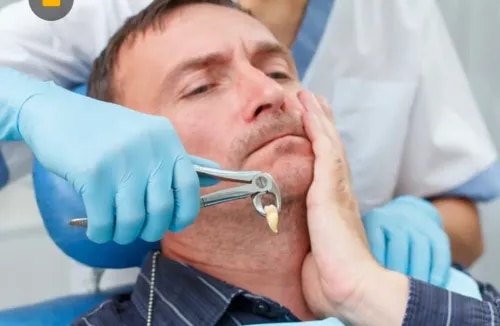
Wisdom Tooth Removal service image
Wisdom Tooth Removal

Wisdom Tooth Removal in Wakad & Pimple Gurav, Pune | OralNest Dental Clinic Are you experiencing pain at the back of your jaw, swelling near your last molar, difficulty opening your mouth or food getting trapped around a partially erupted tooth? These symptoms may be associated with a wisdom tooth that does not have enough space to emerge properly. Wisdom tooth removal may be recommended when the tooth causes recurring problems or poses a risk to the surrounding teeth and tissues. However, not every wisdom tooth needs to be removed; the decision depends on its position, symptoms and clinical findings. At OralNest Dental Clinic, patients seeking wisdom tooth removal in Wakad and Pimple Gurav, Pune, can receive an assessment of the affected tooth, surrounding tissues and available treatment options. Dr. Ashutosh Dighe (BDS, MDS – Oral Medicine & Maxillofacial Radiology, PhD Scholar, Fellowship in Contemporary Endodontics, Certified Endodontist) evaluates relevant clinical findings and imaging, when indicated, to help determine the complexity of the case and the appropriate next steps. 1) When Should You Consider Wisdom Tooth Removal? Wisdom teeth are the last molars to emerge, usually during the late teenage years or early adulthood, although timing varies. Problems may arise when a tooth remains partially erupted, grows at an unfavourable angle or lacks sufficient space in the jaw. You may need an assessment if you experience recurring pain at the back of the mouth, swollen or tender gums around a wisdom tooth, food trapping, difficulty cleaning the area, repeated episodes of inflammation or decay affecting the wisdom tooth or neighbouring molar. Some impacted wisdom teeth cause no noticeable symptoms but may still require monitoring or treatment based on their position and associated findings. Removal is not automatically necessary simply because a wisdom tooth is impacted. The decision should consider the likelihood of future problems, existing disease, the tooth's position and the risks and benefits of treatment compared with monitoring. 2) What Happens During a Wisdom Tooth Removal Consultation? The consultation may include a review of your symptoms, previous episodes of swelling or pain, dental history and an examination of the wisdom tooth and surrounding gums. The condition of the neighbouring molar, mouth opening and signs of inflammation or infection may also be assessed. Dental X-rays are commonly used to evaluate the tooth's position, root development and relationship with nearby structures. Additional imaging, such as CBCT, may be recommended in selected cases when a more detailed assessment is clinically necessary. Depending on the findings, the tooth may be suitable for a straightforward extraction or may require a surgical approach if it is impacted or difficult to access. The treatment discussion should cover the expected procedure, anaesthesia, recovery, possible complications and aftercare. The complexity of removal varies considerably between patients, so a personalised assessment is important before deciding on treatment. 3) Is Wisdom Tooth Removal Always Necessary? No. A wisdom tooth that is healthy, fully erupted, functional and easy to clean may not require removal if there is no associated disease or other clinical indication. In such cases, periodic assessment may be appropriate. Removal may be considered when a wisdom tooth causes recurrent inflammation, significant decay, damage to the neighbouring tooth, certain cystic changes or other problems that cannot be managed appropriately while retaining it. The decision also depends on the tooth's accessibility, position and the risks associated with leaving it untreated. Wisdom tooth removal can involve temporary pain, swelling, restricted mouth opening and difficulty chewing during recovery. Less common complications may include infection, dry socket and injury to nearby nerves or other structures, depending on the tooth's position. Understanding these considerations helps patients weigh the benefits and limitations of treatment rather than deciding based on pain alone. Wisdom Tooth Removal in Wakad & Pimple Gurav OralNest Dental Clinic welcomes patients from Wakad, Pimple Gurav, Rahatani, Pimple Saudagar, Hinjawadi, Baner, Balewadi, Tathawade and nearby Pimpri-Chinchwad areas seeking an assessment for painful, impacted or partially erupted wisdom teeth. Whether you have recurring pain at the back of your jaw, swollen gums around a wisdom tooth or an X-ray showing an impacted molar, a personalised consultation can help clarify whether removal, further investigation or monitoring is appropriate for your condition. Severe swelling, fever, rapidly worsening pain or difficulty swallowing requires prompt professional assessment. Difficulty breathing or swallowing warrants immediate emergency medical care. Frequently Asked Questions 1) Does every impacted wisdom tooth need to be removed? No. The decision depends on symptoms, the presence of disease, the tooth's position and the risks of retaining it. Some impacted teeth may be monitored when there is no clear indication for removal. 2) Is wisdom tooth removal painful? Local anaesthesia is generally used to control pain during the procedure. Some soreness, swelling and jaw stiffness may occur afterwards, with recovery depending on the complexity of removal and individual healing. 3) How long does recovery after wisdom tooth removal take? Initial discomfort and swelling often improve over several days, although recovery varies according to the procedure and individual circumstances. Following the recommended aftercare instructions helps support healing. 4) Can a wisdom tooth damage the neighbouring molar? In some cases, an impacted or poorly positioned wisdom tooth can contribute to food trapping, decay or damage affecting the adjacent second molar. Clinical examination and appropriate imaging help assess these risks. 5) What should I do if my wisdom tooth is swollen and painful? Arrange a prompt dental assessment to determine the cause and appropriate treatment. Avoid attempting to drain the swelling yourself or relying solely on pain relief. Fever, spreading facial swelling or worsening symptoms require urgent evaluation. At OralNest Dental Clinic, wisdom tooth consultation focuses on understanding why the tooth is causing concern, assessing its position and determining whether removal is genuinely indicated. By considering the surrounding teeth, imaging findings, treatment complexity and recovery requirements, the aim is to help you make an informed decision about protecting your oral health.

Tooth Extraction  service image
Tooth Extraction

Description Tooth Extraction in Wakad & Pimple Gurav, Pune | OralNest Dental Clinic A severely damaged tooth, persistent toothache, advanced tooth decay or a problematic wisdom tooth can leave you wondering whether the tooth can still be saved. Tooth extraction may be recommended when a tooth cannot be restored predictably, when infection or structural damage makes preservation unsuitable, or when removal is necessary for another clinical reason. However, extraction is not automatically the first choice simply because a tooth is painful or damaged. At OralNest Dental Clinic, tooth extraction is planned after evaluating the cause of the problem, the condition of the tooth, the surrounding tissues and the available treatment alternatives. Dr. Ashutosh Dighe, BDS, MDS – Oral Medicine & Maxillofacial Radiology, PhD Scholar, Fellowship in Contemporary Endodontics, Certified Endodontist, brings a diagnostic and tooth-preserving perspective to treatment planning, helping patients understand when extraction may be necessary and when other options may be considered. 1) When Is Tooth Extraction Necessary? Tooth extraction may be advised when keeping a tooth is no longer a predictable or appropriate treatment option. Common reasons include: - Extensive tooth decay that leaves insufficient healthy structure for restoration - A fractured tooth that cannot be restored adequately - Advanced gum disease causing significant loss of supporting bone - A tooth with persistent infection that cannot be managed predictably - Certain impacted or problematic wisdom teeth - A retained baby tooth or another tooth interfering with appropriate dental treatment - Selected orthodontic or other treatment plans where extraction is clinically indicated A painful tooth does not always need to be removed. Depending on the diagnosis, a filling, dental crown, Root Canal Treatment or another procedure may preserve it. The decision should be based on the tooth's restorability, supporting tissues, prognosis and the patient's individual circumstances. 2) What Happens During a Tooth Extraction Consultation? Before recommending extraction, the dentist reviews your symptoms, dental history and any previous treatment. The affected tooth and surrounding tissues are examined, and dental X-rays may be advised when needed to assess the roots, surrounding bone, nearby anatomical structures or the extent of the problem. The procedure depends on the tooth's position, root anatomy, degree of damage and accessibility. A straightforward extraction may be possible when the tooth is accessible, while a broken, deeply positioned or impacted tooth may require a more involved surgical approach. Local anaesthesia is commonly used to numb the area during extraction. You may feel pressure or movement, but you should tell the dentist if you experience pain during the procedure. Your medical history, current medications and relevant health conditions should be discussed beforehand because they can influence treatment planning and aftercare. 3) What Should You Know About Recovery and Tooth Replacement? After extraction, a blood clot forms in the socket and supports normal healing. Following the instructions provided by your dentist is important. This generally includes avoiding vigorous rinsing immediately after the procedure, not disturbing the socket, choosing suitable foods during early recovery and maintaining oral hygiene carefully around the area. Some discomfort and swelling can occur, depending on the complexity of the extraction. Increasing pain, persistent bleeding, fever, worsening swelling or difficulty swallowing requires prompt professional advice. Difficulty breathing or swallowing is a medical emergency. If a permanent tooth is removed, replacement may need to be discussed depending on its location, function, bite and the surrounding teeth. Options can include a dental implant, bridge or removable partial denture. Not every extracted tooth requires replacement in the same way, and the timing depends on healing, bone conditions and the proposed treatment. Planning ahead helps patients understand the longer-term implications of extraction. Tooth Extraction in Wakad & Pimple Gurav, Pune Patients searching for tooth extraction in Wakad or Pimple Gurav, Pune, may be experiencing severe tooth pain, a broken tooth, advanced decay, swelling around a tooth or discomfort from a wisdom tooth. A timely examination helps establish whether extraction is necessary and whether the procedure is straightforward or requires additional planning. OralNest Dental Clinic serves patients from Wakad, Pimple Gurav, Rahatani, Pimple Saudagar, Hinjawadi, Baner, Balewadi, Tathawade and nearby areas of Pimpri-Chinchwad. Whether you need an assessment for a damaged tooth, removal of a tooth affected by infection or advice about replacing a missing tooth, the recommended approach depends on the clinical findings and your overall oral health. ## Frequently Asked Questions About Tooth Extraction 1. Does every painful tooth need extraction? No. Tooth pain can result from decay, pulp inflammation, infection, cracks or gum problems. Some teeth can be treated with fillings, crowns or Root Canal Treatment. Extraction is considered when removal is clinically appropriate. 2. Is tooth extraction painful? Local anaesthesia is generally used to numb the area during the procedure. Pressure may be felt, but significant pain should be communicated to the dentist so that it can be assessed and managed. 3. How long does it take to recover after tooth extraction? Recovery varies according to the tooth, the complexity of the procedure and individual healing. Initial discomfort often improves over several days, while the socket and underlying bone take longer to heal completely. Follow the specific aftercare instructions provided. 4. Should I replace a tooth after extraction? Replacement depends on which tooth was removed, its role in chewing, the bite and the condition of neighbouring teeth. Implants, bridges and removable dentures may be considered where appropriate. 5. What should I do if my toothache is accompanied by facial swelling? Seek urgent dental assessment, particularly if the swelling is increasing or accompanied by fever. Difficulty swallowing or breathing requires immediate emergency medical care. Tooth extraction is an important treatment decision that should consider both the immediate problem and your future oral health. At OralNest Dental Clinic, the emphasis is on determining whether a tooth can be preserved, explaining why removal may be necessary and discussing suitable aftercare and replacement options when indicated.

Toothache Treatment service image
Toothache Treatment

Toothache Treatment in Wakad & Pimple Gurav, Pune | OralNest Dental Clinic A toothache can range from mild sensitivity to severe, throbbing pain that makes eating, sleeping or concentrating difficult. Sometimes the pain starts suddenly, while in other cases it develops gradually and becomes more frequent. Although painkillers may temporarily reduce discomfort, they do not necessarily address the underlying dental problem. Effective Toothache Treatment begins with identifying the source of the pain and determining what needs to be treated. At OralNest Dental Clinic, toothache assessment focuses on the symptoms, the condition of the affected tooth, the surrounding gums and the possible involvement of the dental pulp or supporting tissues. Dr. Ashutosh Dighe, BDS, MDS – Oral Medicine & Maxillofacial Radiology, PhD Scholar, Fellowship in Contemporary Endodontics, Certified Endodontist, brings a specialist-oriented approach to evaluating dental symptoms and planning appropriate treatment, including tooth-preserving options when clinically suitable. 1) What Can Cause a Toothache? Tooth pain can arise from several conditions, and the type of pain alone cannot confirm the diagnosis. Common causes include: - Tooth decay that has progressed into deeper layers - Inflammation or infection of the dental pulp - A cracked, chipped or fractured tooth - Gum inflammation or infection around a tooth - A problematic or impacted wisdom tooth - A damaged or leaking filling or crown - Pain while biting due to a dental or bite-related problem - Infection around the root of a tooth Some dental problems cause sharp pain when eating or drinking, while others produce spontaneous throbbing or discomfort that worsens at night. Pain may also spread towards the jaw, ear or surrounding facial region. A clinical examination, appropriate tests and dental X-rays when indicated can help identify the cause and guide treatment. 2) Which Toothache Treatment Is Appropriate for Your Symptoms? The treatment depends on what is causing the pain and how much the tooth has been affected. For a tooth with limited decay, a filling may be sufficient. If the tooth is structurally weakened, a crown or another restoration may be recommended. When the dental pulp is irreversibly inflamed or infected and the tooth can be restored, Root Canal Treatment may help preserve it. A severely damaged tooth that cannot be restored predictably may require extraction. Pain around the gums or wisdom tooth may need a different approach, depending on whether the problem involves inflammation, food trapping, infection or impaction. Not every toothache requires a root canal or extraction, and not every painful tooth can be managed with a filling. At OralNest Dental Clinic, the aim is to establish the diagnosis, explain the available options and determine the most appropriate next step according to the condition of the tooth. Treatment planning also considers whether the tooth can be preserved and what restoration or follow-up care may be needed afterwards. 3) When Is Toothache an Emergency? Severe toothache should not be ignored, particularly when it interferes with sleep, eating or normal activities. Arrange a prompt dental assessment if the pain is persistent, worsening, triggered by biting or accompanied by swelling. Seek urgent care if you experience facial swelling, fever, pus or rapidly increasing pain. Difficulty swallowing or breathing, or swelling that threatens the airway, requires immediate emergency medical attention. Until you receive professional advice, avoid placing aspirin directly on the tooth or gums, as this can injure the tissues. Do not rely on antibiotics or leftover medication without appropriate assessment; antibiotics are not necessary for every toothache and do not replace treatment of the underlying dental cause. If pain relief is needed, consult a qualified healthcare professional or pharmacist about a suitable option for your circumstances. Toothache Treatment in Wakad & Pimple Gurav, Pune Patients searching for Toothache Treatment in Wakad or Pimple Gurav, Pune, may be experiencing persistent tooth pain, severe night-time discomfort, sensitivity while eating, pain during chewing or swelling around a tooth. Timely assessment can help identify whether the problem requires a filling, Root Canal Treatment, gum care, wisdom tooth evaluation or another procedure. OralNest Dental Clinic serves patients from Wakad, Pimple Gurav, Rahatani, Pimple Saudagar, Hinjawadi, Baner, Balewadi, Tathawade and nearby areas of Pimpri-Chinchwad. Whether your toothache has just started or has become difficult to tolerate, the recommended treatment depends on the cause, severity and restorability of the affected tooth. Frequently Asked Questions About Toothache Treatment 1. What should I do if I have a severe toothache? Arrange a prompt dental assessment, especially if the pain is persistent or worsening. If you have facial swelling, fever or rapidly increasing symptoms, seek urgent care. Difficulty breathing or swallowing requires immediate emergency medical attention. 2. Does a toothache always mean I need a Root Canal Treatment? No. Toothache can result from cavities, cracks, gum problems, wisdom tooth conditions and other causes. Root Canal Treatment is considered when the dental pulp is irreversibly damaged or infected and the tooth is suitable for preservation. 3. Why does my toothache become worse at night? Pain may feel more noticeable at night when distractions are reduced. Certain forms of pulp inflammation can also cause spontaneous or night-time pain. An examination is necessary to determine the actual cause. 4. Can toothache go away without treatment? Some symptoms may settle temporarily, but the underlying problem may remain. Pain that disappears does not always mean the tooth has healed, particularly if the pulp is damaged or an infection is present. Persistent or recurring pain should be evaluated. 5. Can antibiotics cure a toothache? Antibiotics are not appropriate for every toothache and cannot repair decay or restore a damaged tooth. They may be indicated in selected infections, depending on the clinical findings. Definitive dental treatment is often necessary to address the source of the problem. Toothache Treatment is not simply about reducing pain; it is about understanding why the pain started and addressing the cause before the condition becomes more complicated. At OralNest Dental Clinic, the focus is on timely assessment, clear explanations and appropriate treatment planning, with the aim of relieving discomfort and preserving the natural tooth whenever clinically feasible.

Subcategory Tags

Best Doctor For Root Canal Treatment In WakadRCT Dentist in WakadRoot Canal Dentist Near MeRoot Canal Treatment Specialist In WakadRoot Canal Treatment in Wakad

Contact Us

Live Chat

Connect over WhatsApp to resolve your queries realtime.