Gum Disease Treatment
Description
Description
Gum Disease Treatment in Wakad & Pimple Gurav, Pune | OralNest Dental Clinic
Bleeding while brushing, swollen gums, persistent bad breath or gums that appear to be pulling away from the teeth may indicate gum disease. These symptoms are often overlooked because they may develop gradually without severe pain. However, gum disease can progress from early inflammation to damage affecting the tissues and bone that support the teeth. Recognising the problem early can help guide appropriate treatment and protect long-term oral health.
At OralNest Dental Clinic, Gum Disease Treatment begins with evaluating the condition of the gums, the amount of plaque and tartar present, and whether the supporting tissues have been affected. Dr. Ashutosh Dighe, BDS, MDS – Oral Medicine & Maxillofacial Radiology, PhD Scholar, Fellowship in Contemporary Endodontics, Certified Endodontist, follows a clinically guided approach to identifying oral health concerns and helping patients understand the appropriate next steps for their individual condition.
1) What Are the Early Signs of Gum Disease?
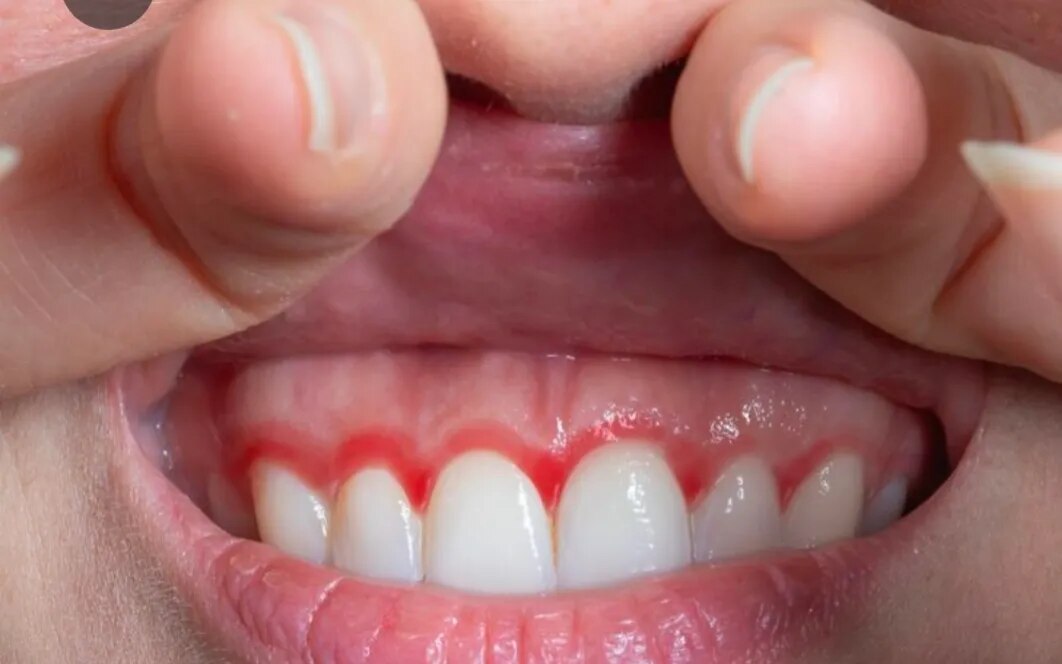
Healthy gums generally do not bleed regularly during brushing or flossing. When plaque accumulates along the gumline, the gums may become inflamed, tender or swollen. If the condition progresses, the supporting tissues and bone around the teeth may become damaged.
Common warning signs include:
- Bleeding gums while brushing or eating
- Red, swollen or tender gums
- Persistent bad breath or an unpleasant taste
- Gum recession that makes teeth appear longer
- Food frequently getting trapped around the teeth
- Teeth that feel loose or appear to be shifting
- Discomfort while chewing or changes in the way teeth meet
Early gum inflammation, known as gingivitis, may improve with appropriate professional cleaning and consistent oral hygiene. Periodontitis is a more advanced condition involving damage to the supporting tissues and bone. Because symptoms do not always reflect the severity of the disease, a proper periodontal examination is important.
2) How Is Gum Disease Diagnosed and Treated?
The appropriate treatment depends on the type and severity of gum disease. During an assessment, the dentist examines the gums, checks for plaque and tartar deposits, evaluates gum pockets where indicated and considers whether additional investigations or dental X-rays are needed to assess supporting bone.
For gingivitis, treatment may involve professional scaling, improved brushing technique and daily cleaning between the teeth. When periodontitis is present, deeper periodontal cleaning, also known as scaling and root planing, may be recommended to remove deposits from affected areas below the gumline. Some patients may require further periodontal treatment or referral to a periodontist.
Treatment is not identical for every patient. The number of visits and the need for additional procedures depend on the extent of the disease, the response to initial treatment and individual risk factors. The objective is to control inflammation, reduce harmful deposits and help preserve the supporting structures of the teeth.
3) Can Gum Disease Cause Loose Teeth or Tooth Loss?
Advanced gum disease can damage the tissues and bone that hold teeth in place. As this support deteriorates, teeth may become mobile, spaces may develop between them or chewing may become uncomfortable. Gum disease can also progress without obvious pain, which is one reason regular dental assessment matters.
Treatment can help control the disease and reduce the risk of further damage, but bone and tissue lost through advanced periodontitis may not fully regenerate with routine cleaning alone. The outcome depends on the extent of damage, the response to treatment, oral hygiene and other contributing factors.
After active treatment, periodontal maintenance and regular reviews are important because gum disease can recur. Patients may also need guidance on smoking or tobacco use, diabetes-related risk, plaque control and other factors that influence gum health. If teeth are already loose, an examination can help determine whether they can be maintained or whether additional treatment is necessary.
Gum Disease Treatment in Wakad & Pimple Gurav, Pune
Patients searching for Gum Disease Treatment in Wakad or Pimple Gurav, Pune, may be experiencing bleeding gums, gum recession, persistent bad breath or concerns about loose teeth. An assessment can help distinguish early gum inflammation from more advanced periodontal disease and establish an appropriate treatment plan.
OralNest Dental Clinic serves patients from Wakad, Pimple Gurav, Rahatani, Pimple Saudagar, Hinjawadi, Baner, Balewadi, Tathawade and nearby areas of Pimpri-Chinchwad. Whether you need an evaluation for bleeding gums, professional cleaning or assessment of possible periodontal damage, the recommended care depends on the condition of your gums and supporting tissues.
Frequently Asked Questions About Gum Disease Treatment
1. Can bleeding gums be a sign of gum disease?
Yes. Bleeding gums can indicate inflammation caused by plaque accumulation, although other causes are possible. Persistent or recurring bleeding should be evaluated rather than ignored.
2. Can gum disease be treated without surgery?
Many cases can be managed initially with professional cleaning, deeper periodontal cleaning when indicated, improved home care and regular maintenance. Advanced cases may require additional treatment depending on the damage and response to initial care.
3. Can gum disease cause bad breath?
Yes. Plaque, tartar and inflammation associated with gum disease can contribute to persistent bad breath. However, bad breath can also have other oral or medical causes, so the underlying reason should be assessed.
4. Can loose teeth become firm again after gum treatment?
It depends on the cause and extent of the supporting tissue damage. Controlling inflammation may help stabilise some teeth, but significant loss of supporting bone cannot always be reversed. A periodontal assessment is needed to understand the prognosis.
5. How can I prevent gum disease from returning?
Brush twice daily with fluoride toothpaste, clean between your teeth every day, avoid tobacco and attend dental reviews at the recommended intervals. Patients who have had periodontitis may need more frequent periodontal maintenance.
Gum Disease Treatment is about more than stopping bleeding or removing visible tartar. It involves identifying the extent of the problem, controlling inflammation and protecting the tissues that support your teeth. At OralNest Dental Clinic, the focus is on appropriate assessment, clinically guided treatment and practical maintenance advice to help patients make informed decisions about their long-term gum health.