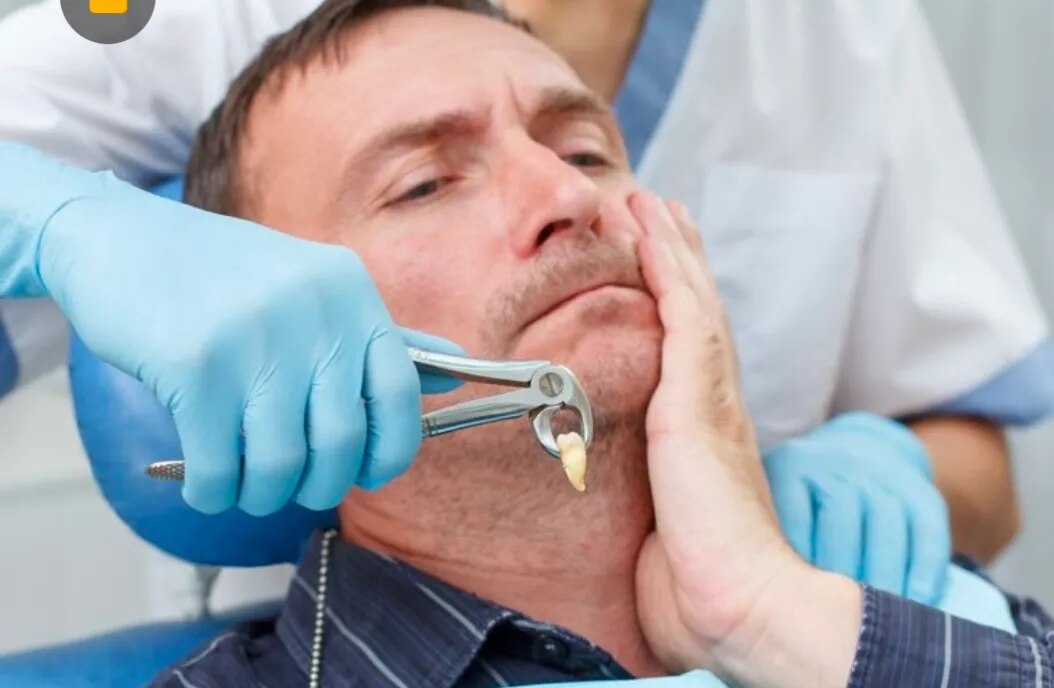
Tooth Extraction
Description
Description
Tooth Extraction in Wakad & Pimple Gurav, Pune | OralNest Dental Clinic
A severely damaged tooth, persistent toothache, advanced tooth decay or a problematic wisdom tooth can leave you wondering whether the tooth can still be saved. Tooth extraction may be recommended when a tooth cannot be restored predictably, when infection or structural damage makes preservation unsuitable, or when removal is necessary for another clinical reason. However, extraction is not automatically the first choice simply because a tooth is painful or damaged.
At OralNest Dental Clinic, tooth extraction is planned after evaluating the cause of the problem, the condition of the tooth, the surrounding tissues and the available treatment alternatives. Dr. Ashutosh Dighe, BDS, MDS – Oral Medicine & Maxillofacial Radiology, PhD Scholar, Fellowship in Contemporary Endodontics, Certified Endodontist, brings a diagnostic and tooth-preserving perspective to treatment planning, helping patients understand when extraction may be necessary and when other options may be considered.
1) When Is Tooth Extraction Necessary?
Tooth extraction may be advised when keeping a tooth is no longer a predictable or appropriate treatment option. Common reasons include:
- Extensive tooth decay that leaves insufficient healthy structure for restoration
- A fractured tooth that cannot be restored adequately
- Advanced gum disease causing significant loss of supporting bone
- A tooth with persistent infection that cannot be managed predictably
- Certain impacted or problematic wisdom teeth
- A retained baby tooth or another tooth interfering with appropriate dental treatment
- Selected orthodontic or other treatment plans where extraction is clinically indicated
A painful tooth does not always need to be removed. Depending on the diagnosis, a filling, dental crown, Root Canal Treatment or another procedure may preserve it. The decision should be based on the tooth's restorability, supporting tissues, prognosis and the patient's individual circumstances.
2) What Happens During a Tooth Extraction Consultation?
Before recommending extraction, the dentist reviews your symptoms, dental history and any previous treatment. The affected tooth and surrounding tissues are examined, and dental X-rays may be advised when needed to assess the roots, surrounding bone, nearby anatomical structures or the extent of the problem.
The procedure depends on the tooth's position, root anatomy, degree of damage and accessibility. A straightforward extraction may be possible when the tooth is accessible, while a broken, deeply positioned or impacted tooth may require a more involved surgical approach.
Local anaesthesia is commonly used to numb the area during extraction. You may feel pressure or movement, but you should tell the dentist if you experience pain during the procedure. Your medical history, current medications and relevant health conditions should be discussed beforehand because they can influence treatment planning and aftercare.
3) What Should You Know About Recovery and Tooth Replacement?
After extraction, a blood clot forms in the socket and supports normal healing. Following the instructions provided by your dentist is important. This generally includes avoiding vigorous rinsing immediately after the procedure, not disturbing the socket, choosing suitable foods during early recovery and maintaining oral hygiene carefully around the area.
Some discomfort and swelling can occur, depending on the complexity of the extraction. Increasing pain, persistent bleeding, fever, worsening swelling or difficulty swallowing requires prompt professional advice. Difficulty breathing or swallowing is a medical emergency.
If a permanent tooth is removed, replacement may need to be discussed depending on its location, function, bite and the surrounding teeth. Options can include a dental implant, bridge or removable partial denture. Not every extracted tooth requires replacement in the same way, and the timing depends on healing, bone conditions and the proposed treatment. Planning ahead helps patients understand the longer-term implications of extraction.
Tooth Extraction in Wakad & Pimple Gurav, Pune
Patients searching for tooth extraction in Wakad or Pimple Gurav, Pune, may be experiencing severe tooth pain, a broken tooth, advanced decay, swelling around a tooth or discomfort from a wisdom tooth. A timely examination helps establish whether extraction is necessary and whether the procedure is straightforward or requires additional planning.
OralNest Dental Clinic serves patients from Wakad, Pimple Gurav, Rahatani, Pimple Saudagar, Hinjawadi, Baner, Balewadi, Tathawade and nearby areas of Pimpri-Chinchwad. Whether you need an assessment for a damaged tooth, removal of a tooth affected by infection or advice about replacing a missing tooth, the recommended approach depends on the clinical findings and your overall oral health.
## Frequently Asked Questions About Tooth Extraction
1. Does every painful tooth need extraction?
No. Tooth pain can result from decay, pulp inflammation, infection, cracks or gum problems. Some teeth can be treated with fillings, crowns or Root Canal Treatment. Extraction is considered when removal is clinically appropriate.
2. Is tooth extraction painful?
Local anaesthesia is generally used to numb the area during the procedure. Pressure may be felt, but significant pain should be communicated to the dentist so that it can be assessed and managed.
3. How long does it take to recover after tooth extraction?
Recovery varies according to the tooth, the complexity of the procedure and individual healing. Initial discomfort often improves over several days, while the socket and underlying bone take longer to heal completely. Follow the specific aftercare instructions provided.
4. Should I replace a tooth after extraction?
Replacement depends on which tooth was removed, its role in chewing, the bite and the condition of neighbouring teeth. Implants, bridges and removable dentures may be considered where appropriate.
5. What should I do if my toothache is accompanied by facial swelling?
Seek urgent dental assessment, particularly if the swelling is increasing or accompanied by fever. Difficulty swallowing or breathing requires immediate emergency medical care.
Tooth extraction is an important treatment decision that should consider both the immediate problem and your future oral health. At OralNest Dental Clinic, the emphasis is on determining whether a tooth can be preserved, explaining why removal may be necessary and discussing suitable aftercare and replacement options when indicated.