Dynasty Society
08048033422
Second Opinion Dental Consultation service image
Second Opinion Dental Consultation

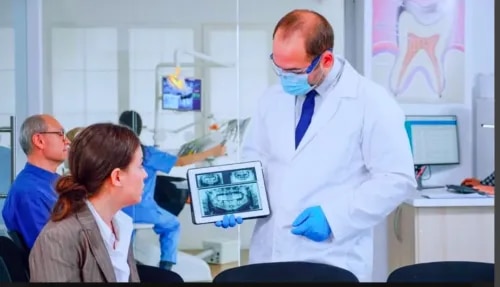
Second Opinion Dental Consultation in Wakad & Pimple Gurav, Pune | OralNest Dental Clinic Have you been advised to undergo a root canal treatment, tooth extraction, dental implant, dental crown, wisdom tooth removal or extensive dental rehabilitation, but still have questions about whether it is the right decision? A second opinion dental consultation can help you understand your dental condition, evaluate the proposed treatment and make a more confident, informed choice. At OralNest Dental Clinic, patients seeking a second opinion in Wakad and Pimple Gurav, Pune, can receive a focused assessment of their dental concerns, previous investigations and recommended treatment plans. Dr. Ashutosh Dighe (BDS, MDS – Oral Medicine & Maxillofacial Radiology, PhD Scholar, Fellowship in Contemporary Endodontics, Certified Endodontist) evaluates relevant clinical findings and explains the factors that influence treatment decisions. 1) When Should You Consider a Second Dental Opinion? A second opinion may be particularly useful when you have been advised to undergo an irreversible procedure, received different treatment recommendations, experienced persistent symptoms despite previous treatment, or want to understand alternatives before committing to a major dental procedure. It can help clarify whether a tooth may be preserved, whether extraction is necessary, what factors influence root canal treatment or implant planning, and whether a proposed crown, bridge or full-mouth rehabilitation suits your individual condition. 2) What Happens During a Second Opinion Consultation? The assessment may include a review of your dental history, symptoms, previous X-rays or scans, clinical examination and existing treatment recommendations. Depending on your concern, the discussion may cover the diagnosis, urgency of treatment, available alternatives, expected benefits, limitations, risks and long-term maintenance requirements. Additional investigations may be recommended when existing records are insufficient. Please bring your previous dental reports, radiographs, prescriptions and treatment estimates, if available. 3) Does a Second Opinion Mean Your Original Dentist Was Wrong? Not necessarily. Different treatment recommendations may arise because of differences in clinical findings, treatment objectives or the information available. A second opinion is an opportunity to understand the reasoning behind a recommendation, clarify uncertainties and explore clinically appropriate alternatives—not simply to seek a different answer. The priority should be preserving natural teeth whenever reasonably possible, addressing active disease, and choosing treatment according to your oral health, functional needs and long-term prognosis. Second Opinion Dental Consultation in Wakad & Pimple Gurav OralNest Dental Clinic welcomes patients from Wakad, Pimple Gurav, Rahatani, Pimple Saudagar, Hinjawadi, Baner, Balewadi, Tathawade and nearby Pimpri-Chinchwad areas who want greater clarity before proceeding with dental treatment. Whether you are uncertain about a root canal, extraction, dental implant, wisdom tooth surgery, dental crown or complex treatment plan, a personalised second opinion can help you understand your options and the next steps appropriate to your condition. Frequently Asked Questions 1) When should I get a second opinion from a dentist? Consider one when a diagnosis is unclear, major treatment has been recommended, symptoms persist or you want to understand alternative options before proceeding. 2) Can I get a second opinion without repeating my X-rays? Existing X-rays and scans can often be reviewed if they are suitable and sufficiently recent. Additional imaging may be necessary when the available records do not answer the clinical question. 3) Can a second opinion help me avoid tooth extraction? It may help determine whether tooth preservation is a reasonable option. However, saving a tooth depends on its condition, the extent of damage or infection and its long-term prognosis. Extraction may still be necessary in some cases. 4) Should I delay urgent dental treatment while seeking another opinion? Do not delay urgent assessment if you have severe pain, facial swelling, fever, difficulty swallowing or difficulty breathing. Prompt professional care is important, particularly when infection may be spreading. 5) How do I prepare for my consultation? Bring previous reports, X-rays, prescriptions, proposed treatment plans and any questions you would like answered. At OralNest Dental Clinic, the aim of a second opinion dental consultation is to help you understand your condition, evaluate the reasoning behind proposed treatment and make decisions with greater clarity. Before beginning a major dental procedure, take the opportunity to understand what your teeth need, why a treatment has been recommended and which options are appropriate for you.

Cosmetic Dentist Consultation service image
Cosmetic Dentist Consultation

Cosmetic Dentist Consultation in Wakad & Pimple Gurav, Pune | OralNest Dental Clinic Are you concerned about yellow or discoloured teeth, chipped edges, gaps between teeth, uneven tooth shapes, worn teeth or a smile that does not look as balanced as you would like? A cosmetic dentist consultation can help you understand the reasons behind these concerns and identify suitable ways to improve your smile while maintaining healthy teeth, gums and natural tooth structure. At OralNest Dental Clinic, patients seeking a cosmetic dentist consultation in Wakad and Pimple Gurav, Pune, can receive an assessment of their smile concerns, dental health and aesthetic goals. Dr. Ashutosh Dighe (BDS, MDS – Oral Medicine & Maxillofacial Radiology, PhD Scholar, Fellowship in Contemporary Endodontics, Certified Endodontist) evaluates relevant clinical findings to help determine which cosmetic dental options may be appropriate for your individual needs. 1) When Should You Consider a Cosmetic Dentist Consultation? A consultation may be useful if you are unhappy with tooth colour, have chipped or uneven teeth, notice gaps between teeth, have worn tooth edges or want to understand whether your smile can be improved through dental treatment. It may also be appropriate if existing crowns, fillings or other restorations affect the appearance of your smile. Not every cosmetic concern requires an extensive procedure. Tooth discolouration may sometimes be managed with professional whitening, while minor chips may be treated with tooth-coloured bonding. Spacing, alignment or changes in tooth shape may require different approaches depending on their cause. An assessment helps distinguish between concerns that can be addressed conservatively and those requiring more comprehensive planning. 2) What Happens During a Cosmetic Dentist Consultation? The consultation may include an assessment of tooth colour, shape, spacing, alignment, gum appearance, existing restorations and the way your teeth meet when you bite. Your dental history, oral hygiene, current symptoms and expectations are also important when planning cosmetic treatment. Depending on the findings, options may include professional teeth whitening, tooth-coloured bonding, dental veneers, dental crowns, orthodontic treatment or smile designing. Each option has different indications, limitations, maintenance requirements and effects on natural tooth structure. Additional investigations may be recommended if an underlying dental problem needs to be assessed before cosmetic treatment begins. The purpose is to understand which approach is suitable for your teeth rather than selecting a procedure based on appearance alone. 3) How Do You Choose the Right Cosmetic Dental Treatment? The right treatment depends on what is causing the concern, the health of your teeth and gums, the amount of natural tooth structure available and your desired outcome. Whitening may help certain types of discolouration but will not correct gaps or irregular tooth shapes. Bonding may improve minor chips, while veneers or crowns may be considered for selected cases where their clinical indications are met. If tooth alignment is the main concern, orthodontic treatment may be more appropriate than altering otherwise healthy teeth. Similarly, active tooth decay, gum disease, worn teeth or bite-related problems may need attention before aesthetic treatment is planned. A well-planned cosmetic approach aims to balance appearance, function, durability and maintenance while avoiding unnecessary intervention. Understanding the advantages and limitations of each option helps you make a decision that suits your oral health and expectations. Cosmetic Dentist Consultation in Wakad & Pimple Gurav OralNest Dental Clinic welcomes patients from Wakad, Pimple Gurav, Rahatani, Pimple Saudagar, Hinjawadi, Baner, Balewadi, Tathawade and nearby Pimpri-Chinchwad areas who want professional guidance about improving the appearance of their teeth and smile. Whether you are considering teeth whitening, dental veneers, bonding, crowns or smile designing, a personalised cosmetic dentist consultation can help clarify the available options and the factors that influence your treatment plan. The goal is to help you understand what can realistically be improved and how to approach your smile concerns while protecting your long-term oral health. Frequently Asked Questions 1) What does a cosmetic dentist consultation include? It generally involves discussing your aesthetic concerns, examining your teeth and gums, assessing relevant bite and restorative factors, and explaining suitable treatment options based on your individual condition. 2) Can yellow or discoloured teeth be improved? In many cases, yes. The appropriate approach depends on the cause of discolouration. Professional whitening may help certain types of staining, while other forms of discolouration may require a different treatment. An assessment helps determine the suitable option. 3) Are dental veneers necessary for every smile makeover? No. Veneers are only one possible option. Depending on the concern, whitening, bonding, orthodontic treatment or other conservative approaches may be more appropriate. 4) Should I treat cavities or gum problems before cosmetic dentistry? Active dental decay and gum problems generally need to be assessed and managed before elective cosmetic treatment. Healthy supporting tissues and a stable oral condition help provide a more appropriate foundation for aesthetic procedures. 5) How do I know which cosmetic dental treatment is right for me? The decision depends on your dental condition, the specific concern, your expectations and the advantages and limitations of each option. A clinical examination helps establish which treatments are appropriate and what results may reasonably be expected. At OralNest Dental Clinic, a cosmetic dentist consultation focuses on understanding your smile concerns before recommending treatment. Whether the issue involves tooth colour, shape, spacing or existing restorations, the aim is to identify suitable options that respect your natural tooth structure, oral health and functional needs. A clearer understanding of your choices can help you take the next step towards a smile that feels comfortable, healthy and appropriate for you.

TMJ Disorder Consultation service image
TMJ Disorder Consultation

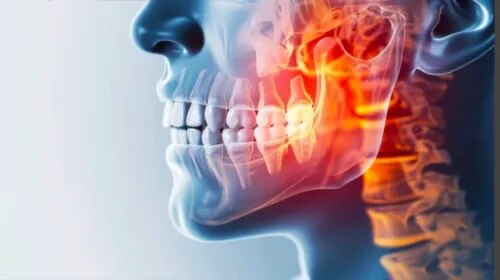
TMJ Disorder Consultation in Wakad & Pimple Gurav, Pune | OralNest Dental Clinic Are you experiencing jaw pain, clicking or popping sounds while opening your mouth, difficulty chewing, morning jaw stiffness or discomfort near your ears? Do you notice that your jaw feels tight, gets tired while eating or does not open as comfortably as before? These symptoms may be associated with temporomandibular disorders (TMD), which affect the jaw joints, surrounding muscles or related structures. Identifying the possible cause is important because not every jaw-related symptom requires the same treatment. At OralNest Dental Clinic, patients seeking a TMJ disorder consultation in Wakad and Pimple Gurav, Pune, can receive an assessment of their jaw symptoms, movement and relevant oral conditions. Dr. Ashutosh Dighe (BDS, MDS – Oral Medicine & Maxillofacial Radiology, PhD Scholar, Fellowship in Contemporary Endodontics, Certified Endodontist) evaluates relevant clinical findings to help understand the possible causes of jaw discomfort and determine the appropriate next steps. 1) When Should You Consider a TMJ Disorder Consultation? A TMJ consultation may be appropriate if you experience persistent jaw pain, clicking or popping sounds, restricted mouth opening, discomfort while chewing, tenderness around the jaw muscles or recurring stiffness after waking up. Some patients also report facial discomfort, headaches around the temples or pain near the ears that may be associated with jaw function. These symptoms can have several causes, including jaw muscle overactivity, teeth clenching or grinding, joint-related problems, dental infections or other conditions affecting the face and mouth. Clicking sounds without pain or restricted movement do not always indicate a disorder requiring treatment. However, persistent pain, worsening symptoms or difficulty opening or closing the mouth deserves professional assessment. A consultation helps distinguish possible TMJ-related problems from other dental or facial conditions before treatment is considered. 2) What Happens During a TMJ Disorder Consultation? The assessment may include a discussion of your symptoms, their duration, previous episodes, daily habits and any factors that worsen or relieve the discomfort. The examination may involve jaw movement, the range of mouth opening, joint sounds, tenderness of the chewing muscles, bite relationships and relevant dental or oral findings. Depending on the clinical assessment, additional investigations or imaging may be recommended when necessary. Not every patient requires a scan, and the appropriate investigation depends on the suspected cause and the information needed to guide treatment. Management varies according to the findings. It may involve conservative jaw-care measures, habit modification, exercises or physiotherapy guidance where appropriate, a suitable oral appliance in selected cases, medication prescribed when indicated, or referral for further specialist evaluation. The recommended approach depends on the diagnosis rather than the presence of clicking or pain alone. 3) Why Is Identifying the Cause of Jaw Pain Important? Jaw pain does not automatically mean that the temporomandibular joint is damaged. Similar symptoms can arise from muscle tenderness, clenching, grinding, dental problems, joint inflammation or other conditions involving the face and oral structures. For this reason, treatment should not be based solely on a clicking sound, headache or assumption that the bite is responsible. An appropriate assessment helps identify the most likely source of symptoms and determine whether conservative management, further investigation or specialist care is required. Many temporomandibular disorders can initially be managed with conservative, reversible measures. Irreversible changes to the teeth or bite should not be undertaken solely to treat TMJ symptoms without a clear clinical indication. Understanding the cause, expected course and available options can help you avoid unnecessary procedures and make informed decisions about your care. TMJ Disorder Consultation in Wakad & Pimple Gurav OralNest Dental Clinic welcomes patients from Wakad, Pimple Gurav, Rahatani, Pimple Saudagar, Hinjawadi, Baner, Balewadi, Tathawade and nearby Pimpri-Chinchwad areas seeking an assessment for jaw pain, clicking sounds, restricted movement or discomfort while chewing. Whether your symptoms occur mainly in the morning, worsen during meals or involve recurring tightness around the jaw and temples, a personalised TMJ disorder consultation can help clarify the possible causes and appropriate next steps. Sudden inability to open or close the mouth, significant facial swelling, or severe symptoms following an injury require urgent assessment. Frequently Asked Questions 1) Does jaw clicking always mean I have a TMJ disorder? No. Clicking or popping can occur without pain or functional difficulty and may not require treatment. Clicking accompanied by pain, locking or restricted movement should be assessed. 2) Can teeth grinding cause jaw pain? Yes. Clenching and grinding can contribute to overactivity or tenderness of the chewing muscles and may aggravate jaw discomfort. However, other causes are possible, so assessment is important before deciding on management. 3) Can TMJ disorders cause headaches or pain near the ears? Some temporomandibular disorders can be associated with pain around the temples, facial muscles or ears. These symptoms can also have other causes, so a clinical assessment helps determine whether the jaw is contributing to them. 4) Will I need an X-ray or scan for a TMJ consultation? Not necessarily. Imaging is recommended when the clinical findings suggest that it would provide useful information. The type of investigation depends on the suspected problem and the purpose of the assessment. 5) Can TMJ problems improve without surgery? Many cases can be managed conservatively, depending on the diagnosis and severity. Options may include appropriate self-care, habit modification, exercises or other non-surgical measures. More complex cases may require further specialist assessment. At OralNest Dental Clinic, a TMJ disorder consultation focuses on understanding your jaw symptoms, examining the structures involved and identifying an appropriate care pathway. By considering jaw movement, muscle function, joint findings and other possible causes together, the aim is to help you understand your condition and make informed decisions about managing your discomfort and maintaining comfortable jaw function.

Jaw Pain Treatment  service image
Jaw Pain Treatment

Jaw Pain Treatment in Wakad & Pimple Gurav, Pune | OralNest Dental Clinic Are you experiencing pain near your jaw joint, discomfort while chewing, stiffness when opening your mouth or pain that spreads towards your temples or ears? Does your jaw feel tired in the morning, click during movement or become uncomfortable after prolonged talking or eating? Jaw pain can arise from several causes, including temporomandibular disorders, overactive jaw muscles, teeth grinding, dental infections or problems involving the wisdom teeth. Identifying the underlying cause is essential for choosing the appropriate treatment. At OralNest Dental Clinic, patients seeking jaw pain treatment in Wakad and Pimple Gurav, Pune, can receive an assessment of their symptoms, jaw movement and relevant dental and oral conditions. Dr. Ashutosh Dighe (BDS, MDS – Oral Medicine & Maxillofacial Radiology, PhD Scholar, Fellowship in Contemporary Endodontics, Certified Endodontist) evaluates clinical findings to help identify possible causes of jaw discomfort and determine the appropriate next steps. 1) When Should You Consider Jaw Pain Treatment? A jaw pain assessment may be appropriate if you experience persistent discomfort near the jaw joint, pain while chewing, difficulty opening your mouth fully, clicking accompanied by pain, muscle tenderness or recurring stiffness around the jaw. Some patients also experience discomfort near the ears, temples or cheeks, particularly after clenching their teeth or waking up in the morning. The cause is not always a jaw joint disorder. Dental decay, an infected tooth, an impacted wisdom tooth, muscle strain and other oral or facial conditions can produce similar symptoms. Pain that begins suddenly, worsens progressively or interferes with eating and speaking should not be ignored. An assessment helps distinguish between dental causes, muscle-related discomfort and possible joint problems so that treatment can be directed towards the underlying condition rather than simply the location of the pain. 2) What Happens During a Jaw Pain Consultation? The consultation may include a discussion of when the pain started, its intensity, associated symptoms and activities that worsen or relieve it. The examination may involve jaw movement, mouth opening, chewing muscle tenderness, joint sounds, the condition of the teeth and gums, and other relevant oral findings. Depending on the suspected cause, dental X-rays or other imaging may be recommended when clinically indicated. Additional assessment or specialist referral may be necessary if the findings suggest a problem beyond routine dental care. Treatment depends on the diagnosis. Depending on the cause, management may involve treatment of an affected tooth, assessment of a problematic wisdom tooth, conservative jaw-care measures, modification of clenching habits, appropriate exercises or physiotherapy guidance, or a suitable oral appliance in selected cases. Medication may be considered when clinically appropriate. Not every patient with jaw pain requires a splint, medication, dental adjustment or surgery. The treatment plan should reflect the actual findings and the patient's individual needs. 3) Why Is Identifying the Cause of Jaw Pain Important? Jaw pain is a symptom, not a diagnosis. Similar discomfort can arise from different conditions, and treating the wrong cause may leave the problem unresolved. For example, pain caused by a dental infection requires a different approach from discomfort associated with jaw muscle overactivity or a temporomandibular disorder. A careful assessment helps establish whether the problem is primarily dental, muscular, joint-related or potentially associated with another condition. It also helps determine whether conservative care is appropriate or further investigation is necessary. Many jaw-related conditions can initially be managed without surgery, depending on the diagnosis. Irreversible changes to the teeth or bite should not be undertaken solely because jaw pain is present without a clear clinical indication. Understanding the cause, available options and limitations of treatment can help you make informed decisions and avoid unnecessary procedures. Jaw Pain Treatment in Wakad & Pimple Gurav OralNest Dental Clinic welcomes patients from Wakad, Pimple Gurav, Rahatani, Pimple Saudagar, Hinjawadi, Baner, Balewadi, Tathawade and nearby Pimpri-Chinchwad areas seeking an assessment for jaw pain, stiffness, discomfort while chewing or restricted mouth opening. Whether your symptoms occur after waking up, worsen during meals or involve recurring pain near the jaw joint, a personalised consultation can help clarify the possible cause and appropriate treatment pathway. Jaw pain accompanied by significant swelling, fever or rapidly worsening symptoms requires prompt assessment. Sudden severe jaw pain following an injury, or difficulty breathing or swallowing, requires urgent medical attention. Frequently Asked Questions 1) What are the common causes of jaw pain? Possible causes include temporomandibular disorders, chewing muscle strain, teeth clenching or grinding, dental infections, impacted wisdom teeth and other oral or facial conditions. A clinical examination helps determine the likely cause. 2) Can teeth grinding cause jaw pain in the morning? Yes. Clenching or grinding during sleep can contribute to tenderness and fatigue in the chewing muscles. However, morning jaw pain can have other causes, so assessment may be necessary if symptoms persist. 3) Is jaw pain always related to a TMJ disorder? No. Dental infections, wisdom tooth problems and muscular conditions can also cause jaw discomfort. Identifying the source is important because different causes require different treatment approaches. 4) Can jaw pain be treated without surgery? Many causes of jaw pain can be managed conservatively, depending on the diagnosis. Appropriate treatment may include addressing dental problems, modifying aggravating habits or using other non-surgical measures. More complex conditions may require specialist assessment. 5) When should I seek urgent care for jaw pain? Seek prompt assessment for persistent or worsening pain, significant swelling, fever or difficulty opening your mouth. Difficulty breathing or swallowing requires immediate emergency medical attention. Jaw pain accompanied by chest pressure, breathlessness, sweating or pain spreading to the arm or neck may indicate a medical emergency and requires immediate emergency care. At OralNest Dental Clinic, jaw pain treatment begins with understanding your symptoms and identifying the condition responsible for them. By assessing the teeth, jaw movement, chewing muscles and other relevant findings, the aim is to help you understand your treatment options and take appropriate steps towards more comfortable jaw function.

Mouth Ulcer Consultation service image
Mouth Ulcer Consultation

Mouth Ulcer Consultation in Wakad & Pimple Gurav, Pune | OralNest Dental Clinic Are you experiencing painful mouth ulcers that make eating, drinking or speaking uncomfortable? Do ulcers keep returning, take longer than expected to heal or appear alongside a burning sensation or unusual changes inside your mouth? Mouth ulcers are common, but their causes can vary. While many heal on their own, persistent, recurrent or unusual oral ulcers may require a more focused evaluation to understand what is contributing to them. At OralNest Dental Clinic, patients seeking a mouth ulcer consultation in Wakad and Pimple Gurav, Pune, can receive an assessment of their oral symptoms, lesion characteristics and relevant medical and dental history. Dr. Ashutosh Dighe (BDS, MDS – Oral Medicine & Maxillofacial Radiology, PhD Scholar, Fellowship in Contemporary Endodontics, Certified Endodontist) evaluates relevant clinical findings to help identify possible causes and determine whether treatment, further investigation or specialist referral is appropriate. 1) When Should You Consider a Mouth Ulcer Consultation? A consultation may be appropriate if you experience ulcers that repeatedly return, unusually painful oral sores, multiple ulcers appearing together, persistent burning sensations or lesions that interfere with eating and drinking. Ulcers may develop because of accidental biting, sharp teeth, irritation from dental appliances, certain infections, inflammatory conditions or other contributing factors. Some recurrent ulcers may also be associated with nutritional deficiencies, medications or underlying medical conditions. However, the appearance of an ulcer alone cannot establish its cause, and not every recurring ulcer indicates a serious problem. An ulcer that lasts longer than two weeks, repeatedly develops in the same area, bleeds unexpectedly or is associated with a persistent red or white patch, lump or unexplained change in the mouth should be professionally assessed without delay. Early evaluation helps determine whether the lesion needs further investigation rather than repeated self-treatment. 2) What Happens During a Mouth Ulcer Consultation? The consultation may include a discussion of when the ulcer first appeared, how frequently it returns, its location, associated pain and any factors that seem to trigger or worsen it. Your dental history, medications, relevant medical conditions and previous treatments may also be reviewed. The examination may assess the ulcer's appearance, size, location, surrounding tissues and any associated changes affecting the tongue, lips, cheeks, gums or other oral structures. Depending on the findings, further investigations, laboratory tests or referral may be recommended when clinically indicated. Treatment depends on the underlying cause. Minor traumatic ulcers may improve after the source of irritation is addressed, while other ulcers may require appropriate medication or investigation of contributing factors. Persistent or suspicious lesions may require additional evaluation, and a biopsy or specialist referral may be advised when necessary. The objective is to understand why the ulcer is occurring and choose an appropriate management approach rather than repeatedly treating the pain without assessing the underlying problem. 3) Why Is Identifying the Cause of Mouth Ulcers Important? Different oral conditions can produce similar-looking ulcers. A sore caused by accidental trauma may need a different approach from a recurrent aphthous ulcer, an infection-related lesion or an ulcer associated with an underlying medical condition. Repeatedly applying remedies or medication without understanding the cause may provide limited relief or delay appropriate evaluation. A focused oral examination helps determine whether the ulcer appears consistent with a common self-limiting condition or requires further investigation. Most ordinary mouth ulcers heal within one to two weeks. However, a persistent ulcer should not automatically be assumed to be harmless. Assessment is particularly important when a lesion does not heal, changes in appearance, repeatedly bleeds or occurs with a lump or other unexplained oral changes. Understanding the likely cause, expected healing pattern and warning signs helps patients make informed decisions about treatment and recognise when further assessment is necessary. Mouth Ulcer Consultation in Wakad & Pimple Gurav OralNest Dental Clinic welcomes patients from Wakad, Pimple Gurav, Rahatani, Pimple Saudagar, Hinjawadi, Baner, Balewadi, Tathawade and nearby Pimpri-Chinchwad areas seeking an assessment for recurrent mouth ulcers, persistent oral sores, burning sensations or unexplained changes inside the mouth. Whether you experience occasional painful ulcers or have a lesion that is taking longer than expected to heal, a personalised consultation can help clarify the possible cause and determine the appropriate next steps. Persistent or unusual oral lesions should be evaluated rather than repeatedly self-treated. Frequently Asked Questions 1) How long does a normal mouth ulcer take to heal? Many common mouth ulcers heal within one to two weeks. An ulcer that persists beyond two weeks, worsens or develops unusual features should be professionally assessed. 2) Why do mouth ulcers keep coming back? Recurrent ulcers may be associated with local irritation, accidental trauma, stress-related triggers, nutritional deficiencies, medications or certain medical conditions. The cause varies between individuals, and a clinical assessment may help identify relevant factors. 3) Are all mouth ulcers caused by vitamin deficiencies? No. Nutritional deficiencies are one possible contributing factor, but ulcers can also occur because of trauma, recurrent aphthous ulceration, infections and other conditions. Testing for deficiencies may be considered when supported by the clinical history and findings. 4) When should I worry about a mouth ulcer? An ulcer that lasts longer than two weeks, repeatedly bleeds, becomes progressively larger or is associated with a lump, persistent red or white patch or unexplained tissue changes should be evaluated promptly. These features do not automatically mean cancer, but they should not be ignored. 5) Can a dentist help with recurrent mouth ulcers? Yes. A dental consultation can help assess the ulcers, identify possible local causes, determine whether further investigations are needed and recommend an appropriate management plan or referral when indicated. At OralNest Dental Clinic, a mouth ulcer consultation focuses on understanding the pattern of your symptoms, examining the affected oral tissues and identifying the appropriate course of action. Whether the concern involves recurrent sores, persistent pain or an ulcer that is not healing as expected, the aim is to help you understand the possible cause and take informed steps towards appropriate oral care.

Oral Cancer Screening  service image
Oral Cancer Screening

Oral Cancer Screening in Wakad & Pimple Gurav, Pune | OralNest Dental Clinic Have you noticed a persistent mouth ulcer, a white or red patch, an unusual lump, unexplained bleeding or a change in the appearance of your tongue or inner cheeks? Such changes can occur for several reasons, and not every oral lesion is cancerous. However, recognising unusual changes and getting them assessed promptly is important because early oral cancer may not always cause significant pain or obvious discomfort. At OralNest Dental Clinic, patients seeking oral cancer screening in Wakad and Pimple Gurav, Pune, can receive a clinical examination of the oral tissues and guidance about any suspicious findings. Dr. Ashutosh Dighe (BDS, MDS – Oral Medicine & Maxillofacial Radiology, PhD Scholar, Fellowship in Contemporary Endodontics, Certified Endodontist) evaluates relevant clinical findings to help identify abnormalities that may require further investigation, specialist referral or additional diagnostic procedures. 1) When Should You Consider Oral Cancer Screening? Oral cancer screening may be appropriate if you notice a persistent ulcer, a red or white patch, a lump or thickened area inside the mouth, unexplained bleeding, difficulty moving your tongue normally or a change in swallowing comfort. A persistent sore throat, a neck lump or unexplained changes involving the lips or oral tissues may also require professional evaluation. Tobacco use, including smoking and smokeless tobacco, and areca nut or betel quid use are important risk factors for oral cancer. Alcohol consumption can also contribute to risk, particularly when combined with tobacco use. However, oral cancer can occur in people without these risk factors, so unusual oral changes should not be ignored simply because you do not use tobacco. Screening is particularly valuable when it helps identify an abnormality that needs closer assessment. A lesion that lasts longer than two weeks, repeatedly bleeds, develops into a lump or shows persistent red or white changes should be examined promptly rather than repeatedly treated with home remedies. 2) What Happens During an Oral Cancer Screening Consultation? The consultation may include a discussion of your symptoms, their duration, tobacco or areca nut exposure, relevant medical history and previous oral problems. The clinical examination may involve the lips, inner cheeks, gums, tongue, floor of the mouth, palate and other accessible oral tissues. The neck may also be examined when clinically indicated. If an unusual area is identified, its appearance, location, size and other clinical characteristics help determine the next steps. Depending on the findings, additional investigations, specialist referral or a biopsy may be recommended. A biopsy involves examining a tissue sample to establish a diagnosis when required. It is important to understand that a visual examination alone cannot confirm or exclude oral cancer. Screening identifies abnormalities that may need further assessment; a definitive diagnosis may require additional investigations. Not every suspicious-looking lesion is cancerous, but persistent or concerning findings should not be left unevaluated. 3) Why Is Early Evaluation of Oral Changes Important? Some potentially serious oral lesions may initially appear as small patches, ulcers or areas of thickened tissue without causing substantial pain. Waiting for pain to develop may delay the assessment of an important abnormality. Many oral changes are caused by non-cancerous conditions, including irritation, trauma and inflammatory problems. However, appearance alone may not reliably distinguish every harmless lesion from one requiring further investigation. A structured clinical assessment helps determine whether observation, removal of an irritant, follow-up, biopsy or specialist evaluation is appropriate. People who use tobacco or areca nut should understand their increased risk and seek professional guidance about stopping these exposures. Maintaining regular dental visits and reporting persistent changes can also help ensure that concerning findings receive appropriate attention. Oral Cancer Screening in Wakad & Pimple Gurav OralNest Dental Clinic welcomes patients from Wakad, Pimple Gurav, Rahatani, Pimple Saudagar, Hinjawadi, Baner, Balewadi, Tathawade and nearby Pimpri-Chinchwad areas seeking assessment of unusual oral changes and guidance about oral cancer screening. Whether you have noticed a persistent mouth ulcer, a white or red patch, an unexplained lump or another change inside your mouth, a personalised consultation can help determine whether further investigation is needed. Do not wait for a lesion to become painful before seeking assessment. Frequently Asked Questions 1) What is oral cancer screening? Oral cancer screening involves examining the accessible tissues of the mouth for unusual changes that may require further evaluation. It helps identify suspicious abnormalities but does not, by itself, establish a cancer diagnosis. 2) Does every white patch or mouth ulcer indicate oral cancer? No. Many oral ulcers and patches have non-cancerous causes. However, persistent, unexplained or changing lesions should be professionally assessed to determine whether further investigation is necessary. 3) How long should I wait before getting a mouth ulcer examined? Many ordinary mouth ulcers heal within one to two weeks. An ulcer that persists beyond two weeks, repeatedly bleeds, develops a lump or shows other concerning changes should be evaluated promptly. 4) Can oral cancer occur in people who do not use tobacco? Yes. Although tobacco and areca nut exposure are important risk factors, oral cancer can also occur in people without these exposures. Persistent or unusual oral changes deserve assessment regardless of personal risk factors. 5) Can an oral cancer screening confirm whether I have cancer? No. Screening can identify suspicious areas, but a clinical examination alone cannot definitively confirm or exclude cancer. A biopsy or other investigations may be necessary when indicated. At OralNest Dental Clinic, oral cancer screening focuses on identifying unusual changes, assessing their clinical significance and determining whether further investigation is required. Paying attention to persistent oral symptoms and seeking timely professional evaluation can help ensure that concerning findings are not overlooked. If you notice a change that does not heal as expected, arrange an assessment rather than repeatedly self-treating it.

Oral Medicine Consultation  service image
Oral Medicine Consultation

Oral Medicine Consultation in Wakad & Pimple Gurav, Pune | OralNest Dental Clinic Persistent mouth ulcers, burning sensations in the mouth, white or red patches, unexplained oral discomfort, jaw-related symptoms and changes in the oral tissues may require more than a routine dental examination. These conditions can have different causes, and identifying the underlying problem is an important step towards appropriate care. Oral Medicine Consultation focuses on the assessment, diagnosis and management planning of conditions affecting the mouth, oral tissues and related structures. At OralNest Dental Clinic, Oral Medicine is a core speciality led by Dr. Ashutosh Dighe, BDS, MDS – Oral Medicine & Maxillofacial Radiology, PhD Scholar, Fellowship in Contemporary Endodontics, Certified Endodontist. His postgraduate speciality in Oral Medicine & Maxillofacial Radiology is particularly relevant to evaluating oral lesions, persistent symptoms, diagnostic uncertainties and conditions that may require further investigation. The aim is to help patients understand their symptoms, the possible causes and the appropriate next steps based on clinical findings. 1) When Should You Consider an Oral Medicine Consultation? An Oral Medicine consultation may be appropriate when you experience symptoms that persist, recur frequently or remain unexplained after an initial examination. These may include: - Recurrent or non-healing mouth ulcers - Burning sensation of the tongue or oral tissues - White or red patches inside the mouth - Persistent oral pain or unexplained discomfort - Changes in the colour, texture or appearance of oral tissues - Oral symptoms associated with tobacco, gutkha or areca nut use - Difficulty opening the mouth or certain jaw-related symptoms - Persistent dryness, altered taste or unusual sensations in the mouth - Oral lesions requiring specialist assessment - Dental or oral conditions where the diagnosis remains uncertain Not every oral symptom indicates a serious disease. However, persistent or unusual changes should not be ignored, particularly when they do not resolve as expected or repeatedly return. 2) How Is an Oral Medicine Consultation Different from a Routine Dental Check-Up? A routine dental check-up primarily assesses the teeth, gums and general oral health. An Oral Medicine consultation places particular emphasis on diagnosing conditions affecting the oral mucosa, tongue, cheeks, palate and other oral structures, including symptoms that may not have an obvious dental cause. The consultation may involve a detailed history of your symptoms, their duration, frequency, associated discomfort, relevant habits, previous treatments and medical background. A careful clinical examination helps determine whether the condition can be assessed clinically or whether additional investigations are appropriate. Depending on the findings, further evaluation may involve imaging, laboratory investigations, specialist referral or a biopsy when indicated. These investigations are not necessary for every patient. The approach depends on the suspected condition and the information needed to establish a diagnosis or guide further management. 3) Why Is Specialist Evaluation Important for Oral Lesions and Persistent Symptoms? Different oral conditions can sometimes look or feel similar despite having different causes. A recurring ulcer, a white patch, a burning tongue or persistent oral pain may require different approaches depending on the clinical findings. Treating symptoms without understanding their cause may delay appropriate care. Dr. Ashutosh Dighe’s speciality training in Oral Medicine & Maxillofacial Radiology supports the systematic assessment of oral conditions and diagnostic concerns. When a lesion or symptom requires additional investigation, the next steps can be explained according to the clinical situation. Where necessary, patients may be advised to undergo further testing or consult another appropriate specialist. A particularly important reason to seek assessment is a mouth ulcer that does not heal within two weeks, a persistent red or white patch, unexplained bleeding, a lump or thickened area, or progressively reduced mouth opening. Such changes do not automatically mean cancer, but they warrant timely professional evaluation. If symptoms are rapidly worsening, seek prompt care rather than waiting for a routine appointment. Oral Medicine Consultation in Wakad & Pimple Gurav, Pune Patients searching for an Oral Medicine specialist in Wakad or Pimple Gurav, Pune, may need evaluation for mouth ulcers, oral lesions, burning mouth symptoms, unexplained oral pain or other conditions affecting the oral tissues. OralNest Dental Clinic provides specialist-focused consultation for patients from Wakad, Pimple Gurav, Rahatani, Pimple Saudagar, Hinjawadi, Baner, Balewadi, Tathawade and nearby areas of Pimpri-Chinchwad. Whether you are experiencing a recurring problem, have noticed a new change inside your mouth or need a specialist opinion about an existing diagnosis, an Oral Medicine consultation can help clarify what needs to be investigated and which management options may be appropriate. Frequently Asked Questions About Oral Medicine Consultation 1. What does an Oral Medicine specialist treat? Oral Medicine specialists assess conditions affecting the oral mucosa and related structures, including recurrent mouth ulcers, oral lesions, burning sensations, unexplained oral pain and other diagnostic concerns involving the mouth. 2. When should I consult an Oral Medicine specialist for mouth ulcers? Consider a consultation if ulcers recur frequently, are unusually painful, have an atypical appearance or do not heal within two weeks. Persistent ulcers require professional assessment to determine the cause and appropriate management. 3. Can an Oral Medicine specialist examine white or red patches inside the mouth? Yes. White or red patches can have several causes and should be assessed according to their appearance, location, duration and associated risk factors. Additional investigations may be recommended when clinically necessary. 4. Does every oral lesion require a biopsy? No. A biopsy is recommended only when the clinical findings indicate that tissue examination is necessary to clarify the diagnosis. The need for a biopsy depends on the nature of the lesion and the overall assessment. 5. Who should I consult for persistent burning in the mouth or unexplained oral discomfort? An Oral Medicine consultation may help investigate persistent burning, altered sensations or unexplained oral discomfort, particularly when the cause is unclear. The assessment helps determine whether the symptoms are related to an oral condition or require further investigation. Oral Medicine is an important speciality for understanding conditions that may not be explained by a routine dental examination alone. At OralNest Dental Clinic, specialist consultation with Dr. Ashutosh Dighe focuses on careful evaluation, appropriate investigations when indicated and clear explanations to help patients make informed decisions about their oral health.

Sensitive Teeth Consultation service image
Sensitive Teeth Consultation

Sensitive Teeth Consultation in Wakad & Pimple Gurav, Pune | OralNest Dental Clinic Do you experience a sudden, sharp sensation in your teeth when drinking cold water, eating ice cream, having hot beverages or consuming something sweet? Tooth sensitivity can make ordinary eating and drinking uncomfortable, but the cause is not always the same. It may be associated with exposed dentine, gum recession, enamel wear, tooth decay, a cracked tooth or an underlying problem involving the dental pulp. At OralNest Dental Clinic, a Sensitive Teeth Consultation focuses on identifying why your teeth react to certain triggers rather than simply recommending a sensitivity toothpaste. Dr. Ashutosh Dighe, BDS, MDS – Oral Medicine & Maxillofacial Radiology, PhD Scholar, Fellowship in Contemporary Endodontics, Certified Endodontist, follows a clinically guided approach to evaluating oral symptoms and determining whether sensitivity requires preventive care, restorative treatment or further investigation. 1) Why Do Your Teeth Become Sensitive to Hot, Cold or Sweet Foods? Tooth sensitivity commonly occurs when dentine, the layer beneath the enamel, becomes exposed. Dentine contains microscopic channels that can transmit stimuli towards the nerve inside the tooth. Gum recession, enamel erosion, excessive brushing pressure and tooth wear can contribute to this exposure. However, sensitivity can also have other causes, including: - Tooth decay or a damaged filling - Cracks or fractures in a tooth - Gum recession and exposed root surfaces - Enamel erosion associated with acidic foods and drinks - Tooth grinding or clenching - Sensitivity following certain dental procedures - Inflammation of the dental pulp The pattern of discomfort can provide useful clues. Brief sensitivity that stops quickly after the trigger is removed may have a different cause from spontaneous pain, lingering heat sensitivity or pain that wakes you at night. These symptoms should be assessed rather than diagnosed from sensation alone. 2) What Happens During a Sensitive Teeth Consultation? The consultation begins with understanding when the sensitivity occurs, how long it lasts, which teeth are affected and whether the discomfort is becoming more frequent or severe. Your dental history, oral hygiene practices, dietary habits and previous dental treatments may also be relevant. The examination may include checking for cavities, cracks, worn enamel, gum recession, defective restorations and signs of pulp inflammation. Depending on the findings, appropriate sensitivity tests or dental X-rays may be recommended. Treatment depends on the cause. Some patients may benefit from desensitising toothpaste, fluoride-based measures, improved brushing technique or advice about reducing acid exposure. Others may need a filling, repair of a damaged restoration, treatment for gum-related concerns or Root Canal Treatment if the dental pulp is irreversibly inflamed or infected. The objective is to identify the reason for the sensitivity and select treatment accordingly. Treating every sensitive tooth in the same way may overlook an underlying problem that needs attention. 3) When Should Tooth Sensitivity Not Be Ignored? Occasional, brief sensitivity may not indicate extensive damage, but persistent or worsening symptoms deserve evaluation. Pain that continues after hot or cold stimuli have been removed, spontaneous toothache, pain while biting or sensitivity localised to one tooth may indicate a problem beyond simple dentine exposure. An examination is particularly important if sensitivity is accompanied by a visible cavity, a broken tooth, gum swelling or a history of dental trauma. Facial swelling, fever or rapidly worsening pain requires prompt dental assessment; difficulty breathing or swallowing requires immediate emergency medical care. Early evaluation can help distinguish manageable sensitivity from decay, cracks or pulp disease. It also helps avoid unnecessary treatment by identifying which teeth need intervention and which may respond to preventive measures. Sensitive Teeth Consultation in Wakad & Pimple Gurav, Pune Patients looking for a Sensitive Teeth Consultation in Wakad or Pimple Gurav, Pune, may be struggling with cold drinks, hot tea, sweet foods or discomfort while brushing. A dental assessment can help identify whether the problem is related to exposed dentine, gum recession, tooth decay, enamel wear or another condition. OralNest Dental Clinic serves patients from Wakad, Pimple Gurav, Rahatani, Pimple Saudagar, Hinjawadi, Baner, Balewadi, Tathawade and nearby areas of Pimpri-Chinchwad. Whether sensitivity affects several teeth or a single tooth, the appropriate treatment depends on the symptoms, examination findings and underlying cause. Frequently Asked Questions About Sensitive Teeth Consultation 1. Why do my teeth hurt when I drink cold water? Cold sensitivity may occur when dentine is exposed because of enamel wear, gum recession or other factors. However, tooth decay, cracks and pulp inflammation can also cause cold sensitivity. An examination helps distinguish between these possibilities. 2. Can sensitive teeth be treated without a procedure? Yes, depending on the cause. Desensitising toothpaste, fluoride-based care and changes in brushing or dietary habits may help some patients. If sensitivity results from decay, a crack or another dental problem, additional treatment may be necessary. 3. Does tooth sensitivity mean I need Root Canal Treatment? No. Most sensitivity does not automatically require a root canal. The decision depends on whether the dental pulp is healthy, reversibly irritated or irreversibly damaged or infected, which must be assessed clinically. 4. Why do my teeth remain sensitive even after using sensitive toothpaste? Persistent sensitivity may mean that the underlying cause has not been addressed, or that the product needs more time to help. A cavity, cracked tooth, gum recession or pulp problem may require specific treatment rather than toothpaste alone. 5. When should I consult a dentist for sensitive teeth? Arrange an assessment if sensitivity persists, worsens, affects one particular tooth, causes pain while biting or lingers after hot or cold exposure. Severe pain, swelling or other unusual symptoms should not be ignored. Tooth sensitivity is a symptom, not a diagnosis. At OralNest Dental Clinic, the focus is on understanding what triggers the discomfort, identifying the underlying cause and recommending appropriate care to help you eat, drink and maintain your oral hygiene more comfortably.


Night Guard & Bruxism  service image
Night Guard & Bruxism

Night Guard & Bruxism Treatment in Wakad & Pimple Gurav, Pune | OralNest Dental Clinic Do you wake up with jaw pain, tightness around the temples, morning headaches or teeth that feel unusually sensitive? Do you notice flattened tooth edges, chipped teeth or soreness in your jaw muscles without an obvious cause? These symptoms may be associated with bruxism, a condition involving involuntary teeth grinding or clenching during sleep or while awake. Over time, excessive or repeated forces can contribute to tooth wear, muscle discomfort and problems affecting existing dental restorations. At OralNest Dental Clinic, Night Guard & Bruxism Consultation focuses on understanding the pattern of clenching or grinding, assessing its effects on the teeth and jaw, and determining whether a protective appliance or additional evaluation may help. Dr. Ashutosh Dighe, BDS, MDS – Oral Medicine & Maxillofacial Radiology, PhD Scholar, Fellowship in Contemporary Endodontics, Certified Endodontist, brings a specialist-oriented approach to evaluating oral discomfort, jaw-related symptoms and dental wear, helping patients understand the possible causes and appropriate management options. 1) What Is Bruxism, and How Can You Recognise It? Bruxism refers to repeated teeth grinding or jaw clenching. Sleep bruxism occurs during sleep, while awake bruxism may involve clenching, sustained jaw tension or repeated contact between the teeth during the day. Some people are unaware of the habit until a partner notices grinding sounds or a dentist identifies signs of tooth wear. Possible signs and symptoms include: - Jaw muscle soreness or tightness, especially in the morning - Headaches around the temples - Flattened, worn or chipped tooth edges - Increased tooth sensitivity - Discomfort while chewing - Tightness or fatigue in the jaw muscles - Damage to fillings, crowns or other dental restorations These symptoms do not automatically confirm bruxism. Jaw pain and headaches can have several causes, including temporomandibular disorders, dental problems and other conditions. A clinical assessment helps determine whether grinding or clenching is likely to be contributing to the problem. 2) How Can a Night Guard Help Protect Your Teeth? A night guard, also called an occlusal splint or bite guard, is an appliance worn over the teeth, usually during sleep, when clinically appropriate. A properly selected and fitted appliance can provide a protective barrier between the upper and lower teeth, helping reduce direct tooth-to-tooth wear and protecting certain dental restorations from excessive contact forces. The design of the appliance depends on the patient's dental condition, symptoms, bite and treatment objectives. A dentist may recommend a custom-fitted appliance after examining the teeth, jaw and existing restorations. The fit should be reviewed periodically, as changes in the teeth, bite or symptoms may affect its suitability. A night guard does not necessarily stop the underlying grinding activity, and it is not a guaranteed cure for jaw pain or headaches. Its main role is often protection of the teeth and restorations, while other contributing factors may need separate attention. A guard should be professionally assessed rather than selected solely on the assumption that every patient with jaw discomfort needs one. 3) What Else Helps Manage Bruxism and Jaw Discomfort? Effective management depends on the severity of the symptoms, the degree of tooth wear and any contributing factors. Along with an appropriate night guard when indicated, patients may benefit from recognising daytime clenching, relaxing the jaw muscles, avoiding habitual tooth contact when not chewing and managing stress where relevant. If jaw muscles are sore, temporary changes such as choosing softer foods and avoiding gum chewing or excessive jaw movements may help reduce strain. Persistent pain, restricted mouth opening, locking or painful clicking may require a separate assessment for temporomandibular disorders rather than assuming bruxism is the only cause. Your dentist may also review medications, sleep-related symptoms and other relevant factors. If there is loud snoring, witnessed pauses in breathing or significant daytime sleepiness, medical evaluation for a possible sleep disorder may be appropriate. The treatment plan should address the patient's actual symptoms and risks rather than relying on a night guard alone. Night Guard & Bruxism Consultation in Wakad & Pimple Gurav, Pune Patients looking for Night Guard & Bruxism Treatment in Wakad or Pimple Gurav, Pune, may be experiencing morning jaw pain, headaches, tooth wear, repeated chipping or suspected sleep-related grinding. An assessment can help determine whether bruxism is likely, whether the teeth need protection and whether additional evaluation is necessary. OralNest Dental Clinic serves patients from Wakad, Pimple Gurav, Rahatani, Pimple Saudagar, Hinjawadi, Baner, Balewadi, Tathawade and nearby areas of Pimpri-Chinchwad. Whether you have noticed grinding sounds during sleep, persistent clenching during work or discomfort around the jaw, the recommended approach depends on your symptoms, clinical findings and dental condition. Frequently Asked Questions About Night Guards & Bruxism 1. How do I know if I grind my teeth at night? You may notice morning jaw soreness, headaches, tooth wear or chipped restorations, or someone may hear grinding sounds during your sleep. However, these signs can have other causes, so a dental assessment is helpful. 2. Does a night guard stop teeth grinding completely? Not necessarily. A night guard primarily helps protect the teeth and certain restorations from direct contact and wear. It may not eliminate the grinding or clenching habit itself. 3. Can bruxism cause jaw pain and headaches? Yes, bruxism may contribute to muscle fatigue, jaw discomfort and headaches around the temples. However, these symptoms can also arise from other conditions, so the cause should be assessed before treatment is chosen. 4. Is a custom night guard better than an over-the-counter guard? A custom-fitted appliance can be designed around your teeth, bite and clinical needs. The appropriate choice depends on the individual case, and any appliance should fit comfortably and be reviewed if it causes pain or changes in the bite. 5. When should I consult a dentist for teeth grinding? Seek an assessment if you have recurring jaw pain, morning headaches, noticeable tooth wear, repeated fractures or damage to fillings and crowns. Persistent jaw locking, restricted opening or worsening pain also warrants evaluation. Night Guard & Bruxism care is about understanding why the teeth and jaw may be under repeated strain and protecting them where necessary. At OralNest Dental Clinic, the focus is on assessing tooth wear and jaw symptoms, determining whether a night guard is appropriate and explaining additional measures that may help manage clenching, grinding and related discomfort over time.

Bad Breath Consultation service image
Bad Breath Consultation

Bad Breath Consultation in Wakad & Pimple Gurav, Pune | OralNest Dental Clinic Persistent bad breath, also known as halitosis, can be frustrating even when you brush regularly, use mouthwash and maintain your daily oral hygiene. The problem may return because the underlying cause has not been identified. Bad breath can be associated with plaque accumulation, gum disease, tooth decay, food trapped between teeth, a coated tongue or reduced saliva flow. In some cases, tonsil-related conditions, sinus problems, certain medicines or other health concerns may also contribute. At OralNest Dental Clinic, Bad Breath Consultation focuses on identifying the possible source of the odour rather than relying on temporary masking products alone. Dr. Ashutosh Dighe, BDS, MDS – Oral Medicine & Maxillofacial Radiology, PhD Scholar, Fellowship in Contemporary Endodontics, Certified Endodontist, brings a specialist-oriented approach to assessing oral conditions and unexplained symptoms. The aim is to help patients understand the likely cause of persistent bad breath and determine which treatment or further evaluation may be appropriate. 1) Why Does Bad Breath Persist Despite Brushing? Bad breath often originates inside the mouth. Bacteria can break down food debris, shed cells and other substances, releasing odour-producing compounds. If the contributing factors remain, the smell may return even after brushing or rinsing. Common causes include: - Plaque and tartar accumulation around the teeth - Gum inflammation or periodontal disease - Tooth decay, damaged teeth or infected dental tissues - A coated tongue, particularly towards the back - Food trapped between teeth or around dental restorations - Dry mouth or reduced saliva flow - Tobacco use and certain dietary habits - Some tonsil, sinus or other medical conditions Persistent bad breath should not automatically be attributed to poor oral hygiene. The cause may involve more than one factor, and identifying it requires considering your symptoms, oral health and relevant medical history. 2) What Happens During a Bad Breath Consultation? The assessment begins with understanding when the odour occurs, how long it has persisted, whether your mouth feels dry and whether you have noticed bleeding gums, tooth pain, a coated tongue or other symptoms. Your oral hygiene routine, medication history and relevant health concerns may also help guide the evaluation. The examination may include checking for cavities, gum disease, plaque and tartar, food-retentive areas, tongue coating and signs of reduced saliva. Depending on the findings, professional dental cleaning, treatment of decay, periodontal care or further evaluation may be recommended. If the likely cause does not appear to be within the mouth, you may be advised to seek assessment from an appropriate medical professional, such as an ENT specialist, depending on your symptoms. Not every patient requires extensive investigations. The appropriate approach is to identify the most likely cause and investigate further when clinically indicated. 3) How Can You Prevent Bad Breath from Returning? Long-term improvement depends on addressing the underlying cause and maintaining effective daily oral hygiene. Brush twice daily with fluoride toothpaste, clean between your teeth every day and gently clean your tongue. Drink sufficient water and discuss persistent dry mouth with your dentist, particularly if it began after starting a medication. Other helpful measures include: - Attending dental reviews at an appropriate interval - Getting professional cleaning when plaque or tartar requires removal - Treating gum disease and untreated cavities - Cleaning around dental restorations carefully - Avoiding tobacco products - Limiting frequent consumption of foods or drinks that worsen dryness or odour for you Mouthwash may help in selected situations, but it cannot replace treatment for gum disease, tooth decay or other underlying conditions. If bad breath continues despite good oral hygiene, repeating the same routine or frequently changing products may not solve the problem. A targeted assessment can help identify what needs attention. Bad Breath Consultation in Wakad & Pimple Gurav, Pune Patients searching for Bad Breath Consultation in Wakad or Pimple Gurav, Pune, may be concerned about persistent mouth odour, an unpleasant taste, a coated tongue, dry mouth or bad breath that returns soon after brushing. A dental assessment can help identify whether the problem is associated with the teeth, gums, tongue, saliva or another possible source. OralNest Dental Clinic serves patients from Wakad, Pimple Gurav, Rahatani, Pimple Saudagar, Hinjawadi, Baner, Balewadi, Tathawade and nearby areas of Pimpri-Chinchwad. Whether you experience bad breath occasionally or have been struggling with it for a long time, the focus is on understanding the likely cause and choosing appropriate care rather than simply masking the odour. Frequently Asked Questions About Bad Breath Consultation 1. Why do I have bad breath even after brushing my teeth? Brushing may not remove all the plaque between teeth or around the gumline, and it may not address tongue coating, gum disease, cavities or dry mouth. A consultation can help identify the factors responsible for persistent odour. 2. Can gum disease cause persistent bad breath? Yes. Plaque accumulation and periodontal disease can contribute to persistent mouth odour and an unpleasant taste. Treatment depends on the condition of the gums and the extent of any supporting tissue damage. 3. Can a coated tongue cause bad breath? Yes. Bacteria and debris can accumulate on the tongue's surface, particularly towards the back, and contribute to odour. Gentle tongue cleaning may help, but persistent symptoms may have additional causes. 4. Can dry mouth lead to bad breath? Yes. Saliva helps clear food debris and supports the natural balance of the mouth. Reduced saliva flow can allow odour-producing substances to accumulate. Persistent dry mouth should be assessed, particularly when associated with medication use or other symptoms. 5. When should I consult a dentist for bad breath? Consider a consultation if bad breath persists despite regular oral hygiene, repeatedly returns after brushing or occurs alongside bleeding gums, tooth pain, dry mouth or an unpleasant taste. If the cause appears unrelated to the mouth, further medical evaluation may be appropriate. Persistent bad breath is a symptom that deserves a proper explanation, not embarrassment or repeated attempts to mask it. At OralNest Dental Clinic, the focus is on assessing oral health, identifying possible contributing factors and recommending appropriate treatment or further evaluation to help patients manage the problem with greater confidence.

Subcategory Tags

Best Doctor For Root Canal Treatment In WakadRCT Dentist in WakadRoot Canal Dentist Near MeRoot Canal Treatment Specialist In WakadRoot Canal Treatment in Wakad

Contact Us

Live Chat

Connect over WhatsApp to resolve your queries realtime.