Jaw Pain Treatment
Description
Jaw Pain Treatment in Wakad & Pimple Gurav, Pune | OralNest Dental Clinic
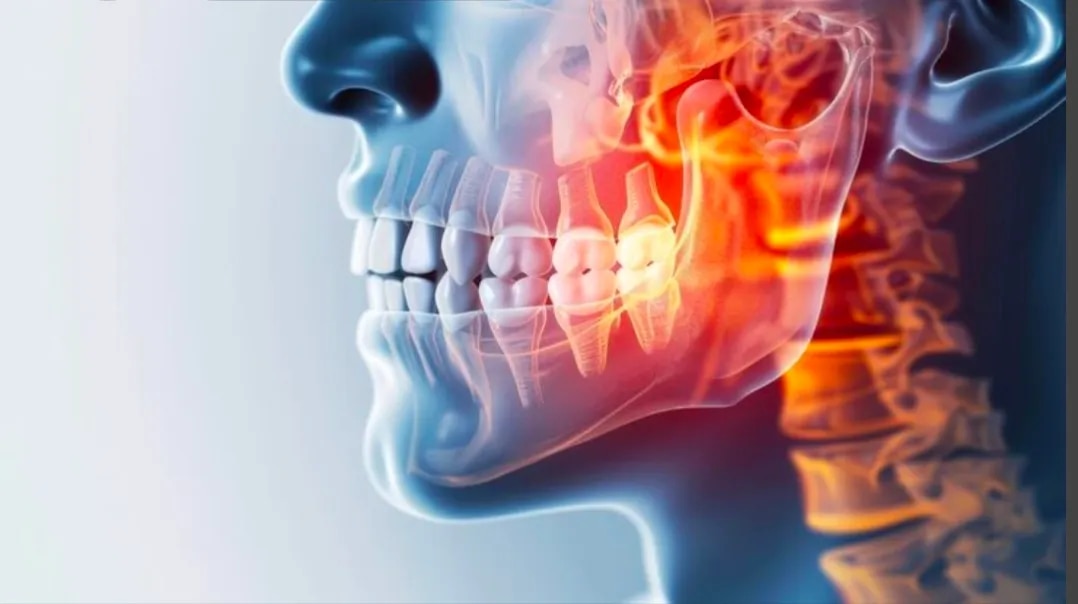
Are you experiencing pain near your jaw joint, discomfort while chewing, stiffness when opening your mouth or pain that spreads towards your temples or ears? Does your jaw feel tired in the morning, click during movement or become uncomfortable after prolonged talking or eating? Jaw pain can arise from several causes, including temporomandibular disorders, overactive jaw muscles, teeth grinding, dental infections or problems involving the wisdom teeth. Identifying the underlying cause is essential for choosing the appropriate treatment.
At OralNest Dental Clinic, patients seeking jaw pain treatment in Wakad and Pimple Gurav, Pune, can receive an assessment of their symptoms, jaw movement and relevant dental and oral conditions. Dr. Ashutosh Dighe (BDS, MDS – Oral Medicine & Maxillofacial Radiology, PhD Scholar, Fellowship in Contemporary Endodontics, Certified Endodontist) evaluates clinical findings to help identify possible causes of jaw discomfort and determine the appropriate next steps.
1) When Should You Consider Jaw Pain Treatment?
A jaw pain assessment may be appropriate if you experience persistent discomfort near the jaw joint, pain while chewing, difficulty opening your mouth fully, clicking accompanied by pain, muscle tenderness or recurring stiffness around the jaw. Some patients also experience discomfort near the ears, temples or cheeks, particularly after clenching their teeth or waking up in the morning.
The cause is not always a jaw joint disorder. Dental decay, an infected tooth, an impacted wisdom tooth, muscle strain and other oral or facial conditions can produce similar symptoms. Pain that begins suddenly, worsens progressively or interferes with eating and speaking should not be ignored.
An assessment helps distinguish between dental causes, muscle-related discomfort and possible joint problems so that treatment can be directed towards the underlying condition rather than simply the location of the pain.
2) What Happens During a Jaw Pain Consultation?
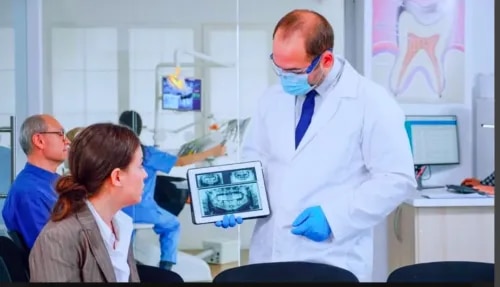
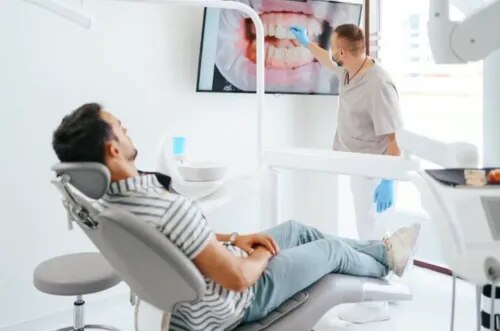
The consultation may include a discussion of when the pain started, its intensity, associated symptoms and activities that worsen or relieve it. The examination may involve jaw movement, mouth opening, chewing muscle tenderness, joint sounds, the condition of the teeth and gums, and other relevant oral findings.
Depending on the suspected cause, dental X-rays or other imaging may be recommended when clinically indicated. Additional assessment or specialist referral may be necessary if the findings suggest a problem beyond routine dental care.
Treatment depends on the diagnosis. Depending on the cause, management may involve treatment of an affected tooth, assessment of a problematic wisdom tooth, conservative jaw-care measures, modification of clenching habits, appropriate exercises or physiotherapy guidance, or a suitable oral appliance in selected cases. Medication may be considered when clinically appropriate.
Not every patient with jaw pain requires a splint, medication, dental adjustment or surgery. The treatment plan should reflect the actual findings and the patient's individual needs.
3) Why Is Identifying the Cause of Jaw Pain Important?
Jaw pain is a symptom, not a diagnosis. Similar discomfort can arise from different conditions, and treating the wrong cause may leave the problem unresolved. For example, pain caused by a dental infection requires a different approach from discomfort associated with jaw muscle overactivity or a temporomandibular disorder.
A careful assessment helps establish whether the problem is primarily dental, muscular, joint-related or potentially associated with another condition. It also helps determine whether conservative care is appropriate or further investigation is necessary.
Many jaw-related conditions can initially be managed without surgery, depending on the diagnosis. Irreversible changes to the teeth or bite should not be undertaken solely because jaw pain is present without a clear clinical indication. Understanding the cause, available options and limitations of treatment can help you make informed decisions and avoid unnecessary procedures.
Jaw Pain Treatment in Wakad & Pimple Gurav
OralNest Dental Clinic welcomes patients from Wakad, Pimple Gurav, Rahatani, Pimple Saudagar, Hinjawadi, Baner, Balewadi, Tathawade and nearby Pimpri-Chinchwad areas seeking an assessment for jaw pain, stiffness, discomfort while chewing or restricted mouth opening.
Whether your symptoms occur after waking up, worsen during meals or involve recurring pain near the jaw joint, a personalised consultation can help clarify the possible cause and appropriate treatment pathway. Jaw pain accompanied by significant swelling, fever or rapidly worsening symptoms requires prompt assessment. Sudden severe jaw pain following an injury, or difficulty breathing or swallowing, requires urgent medical attention.
Frequently Asked Questions
1) What are the common causes of jaw pain?
Possible causes include temporomandibular disorders, chewing muscle strain, teeth clenching or grinding, dental infections, impacted wisdom teeth and other oral or facial conditions. A clinical examination helps determine the likely cause.
2) Can teeth grinding cause jaw pain in the morning?
Yes. Clenching or grinding during sleep can contribute to tenderness and fatigue in the chewing muscles. However, morning jaw pain can have other causes, so assessment may be necessary if symptoms persist.
3) Is jaw pain always related to a TMJ disorder?
No. Dental infections, wisdom tooth problems and muscular conditions can also cause jaw discomfort. Identifying the source is important because different causes require different treatment approaches.
4) Can jaw pain be treated without surgery?
Many causes of jaw pain can be managed conservatively, depending on the diagnosis. Appropriate treatment may include addressing dental problems, modifying aggravating habits or using other non-surgical measures. More complex conditions may require specialist assessment.
5) When should I seek urgent care for jaw pain?
Seek prompt assessment for persistent or worsening pain, significant swelling, fever or difficulty opening your mouth. Difficulty breathing or swallowing requires immediate emergency medical attention. Jaw pain accompanied by chest pressure, breathlessness, sweating or pain spreading to the arm or neck may indicate a medical emergency and requires immediate emergency care.
At OralNest Dental Clinic, jaw pain treatment begins with understanding your symptoms and identifying the condition responsible for them. By assessing the teeth, jaw movement, chewing muscles and other relevant findings, the aim is to help you understand your treatment options and take appropriate steps towards more comfortable jaw function.