Night Guard & Bruxism
Description
Night Guard & Bruxism Treatment in Wakad & Pimple Gurav, Pune | OralNest Dental Clinic
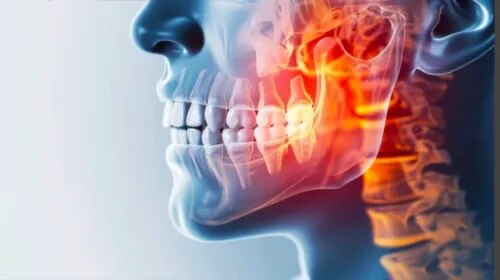
Do you wake up with jaw pain, tightness around the temples, morning headaches or teeth that feel unusually sensitive? Do you notice flattened tooth edges, chipped teeth or soreness in your jaw muscles without an obvious cause? These symptoms may be associated with bruxism, a condition involving involuntary teeth grinding or clenching during sleep or while awake. Over time, excessive or repeated forces can contribute to tooth wear, muscle discomfort and problems affecting existing dental restorations.
At OralNest Dental Clinic, Night Guard & Bruxism Consultation focuses on understanding the pattern of clenching or grinding, assessing its effects on the teeth and jaw, and determining whether a protective appliance or additional evaluation may help. Dr. Ashutosh Dighe, BDS, MDS – Oral Medicine & Maxillofacial Radiology, PhD Scholar, Fellowship in Contemporary Endodontics, Certified Endodontist, brings a specialist-oriented approach to evaluating oral discomfort, jaw-related symptoms and dental wear, helping patients understand the possible causes and appropriate management options.
1) What Is Bruxism, and How Can You Recognise It?
Bruxism refers to repeated teeth grinding or jaw clenching. Sleep bruxism occurs during sleep, while awake bruxism may involve clenching, sustained jaw tension or repeated contact between the teeth during the day. Some people are unaware of the habit until a partner notices grinding sounds or a dentist identifies signs of tooth wear.
Possible signs and symptoms include:
- Jaw muscle soreness or tightness, especially in the morning
- Headaches around the temples
- Flattened, worn or chipped tooth edges
- Increased tooth sensitivity
- Discomfort while chewing
- Tightness or fatigue in the jaw muscles
- Damage to fillings, crowns or other dental restorations
These symptoms do not automatically confirm bruxism. Jaw pain and headaches can have several causes, including temporomandibular disorders, dental problems and other conditions. A clinical assessment helps determine whether grinding or clenching is likely to be contributing to the problem.
2) How Can a Night Guard Help Protect Your Teeth?
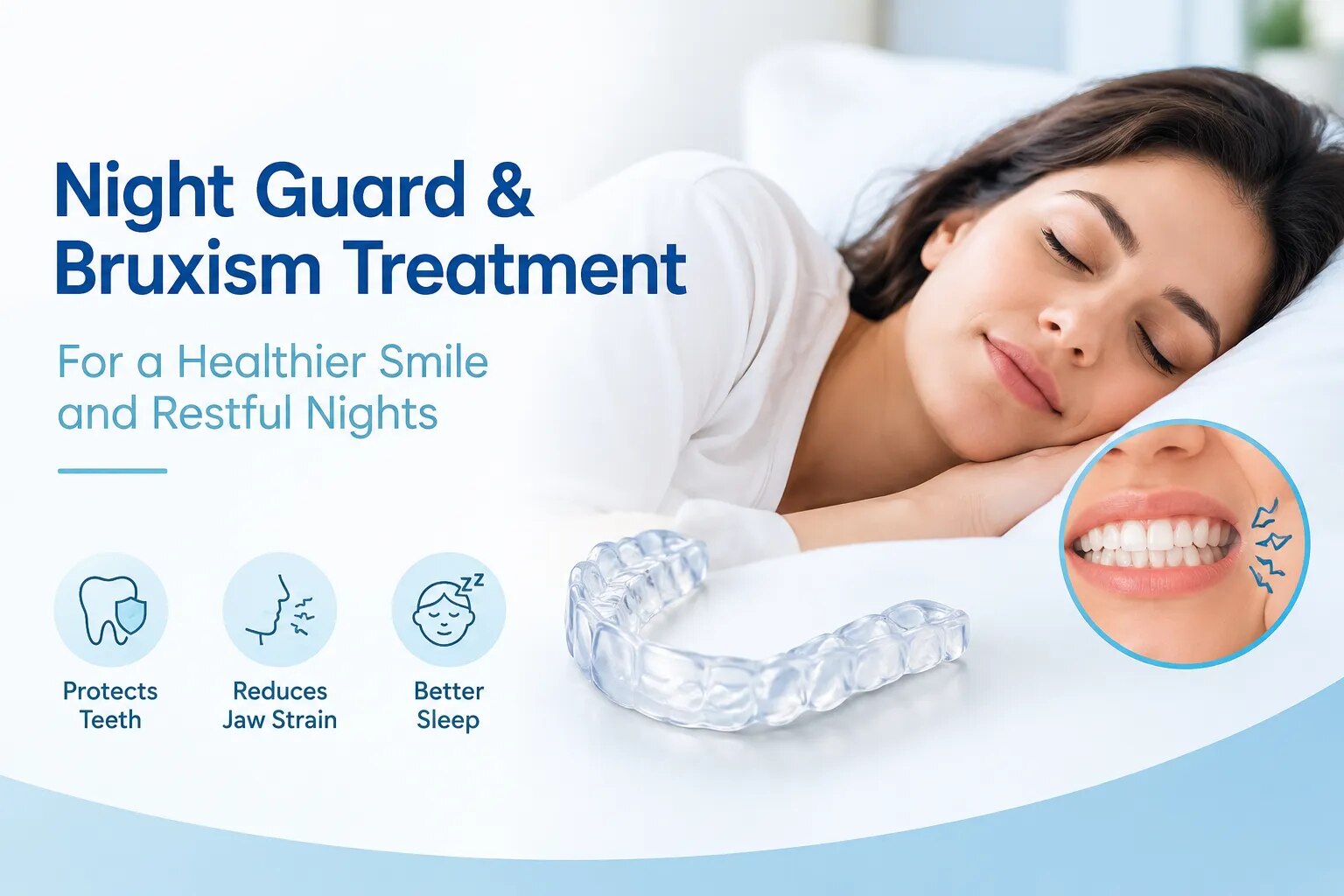
A night guard, also called an occlusal splint or bite guard, is an appliance worn over the teeth, usually during sleep, when clinically appropriate. A properly selected and fitted appliance can provide a protective barrier between the upper and lower teeth, helping reduce direct tooth-to-tooth wear and protecting certain dental restorations from excessive contact forces.
The design of the appliance depends on the patient's dental condition, symptoms, bite and treatment objectives. A dentist may recommend a custom-fitted appliance after examining the teeth, jaw and existing restorations. The fit should be reviewed periodically, as changes in the teeth, bite or symptoms may affect its suitability.
A night guard does not necessarily stop the underlying grinding activity, and it is not a guaranteed cure for jaw pain or headaches. Its main role is often protection of the teeth and restorations, while other contributing factors may need separate attention. A guard should be professionally assessed rather than selected solely on the assumption that every patient with jaw discomfort needs one.
3) What Else Helps Manage Bruxism and Jaw Discomfort?
Effective management depends on the severity of the symptoms, the degree of tooth wear and any contributing factors. Along with an appropriate night guard when indicated, patients may benefit from recognising daytime clenching, relaxing the jaw muscles, avoiding habitual tooth contact when not chewing and managing stress where relevant.
If jaw muscles are sore, temporary changes such as choosing softer foods and avoiding gum chewing or excessive jaw movements may help reduce strain. Persistent pain, restricted mouth opening, locking or painful clicking may require a separate assessment for temporomandibular disorders rather than assuming bruxism is the only cause.
Your dentist may also review medications, sleep-related symptoms and other relevant factors. If there is loud snoring, witnessed pauses in breathing or significant daytime sleepiness, medical evaluation for a possible sleep disorder may be appropriate. The treatment plan should address the patient's actual symptoms and risks rather than relying on a night guard alone.
Night Guard & Bruxism Consultation in Wakad & Pimple Gurav, Pune
Patients looking for Night Guard & Bruxism Treatment in Wakad or Pimple Gurav, Pune, may be experiencing morning jaw pain, headaches, tooth wear, repeated chipping or suspected sleep-related grinding. An assessment can help determine whether bruxism is likely, whether the teeth need protection and whether additional evaluation is necessary.
OralNest Dental Clinic serves patients from Wakad, Pimple Gurav, Rahatani, Pimple Saudagar, Hinjawadi, Baner, Balewadi, Tathawade and nearby areas of Pimpri-Chinchwad. Whether you have noticed grinding sounds during sleep, persistent clenching during work or discomfort around the jaw, the recommended approach depends on your symptoms, clinical findings and dental condition.
Frequently Asked Questions About Night Guards & Bruxism
1. How do I know if I grind my teeth at night?
You may notice morning jaw soreness, headaches, tooth wear or chipped restorations, or someone may hear grinding sounds during your sleep. However, these signs can have other causes, so a dental assessment is helpful.
2. Does a night guard stop teeth grinding completely?
Not necessarily. A night guard primarily helps protect the teeth and certain restorations from direct contact and wear. It may not eliminate the grinding or clenching habit itself.
3. Can bruxism cause jaw pain and headaches?
Yes, bruxism may contribute to muscle fatigue, jaw discomfort and headaches around the temples. However, these symptoms can also arise from other conditions, so the cause should be assessed before treatment is chosen.
4. Is a custom night guard better than an over-the-counter guard?
A custom-fitted appliance can be designed around your teeth, bite and clinical needs. The appropriate choice depends on the individual case, and any appliance should fit comfortably and be reviewed if it causes pain or changes in the bite.
5. When should I consult a dentist for teeth grinding?
Seek an assessment if you have recurring jaw pain, morning headaches, noticeable tooth wear, repeated fractures or damage to fillings and crowns. Persistent jaw locking, restricted opening or worsening pain also warrants evaluation.
Night Guard & Bruxism care is about understanding why the teeth and jaw may be under repeated strain and protecting them where necessary. At OralNest Dental Clinic, the focus is on assessing tooth wear and jaw symptoms, determining whether a night guard is appropriate and explaining additional measures that may help manage clenching, grinding and related discomfort over time.