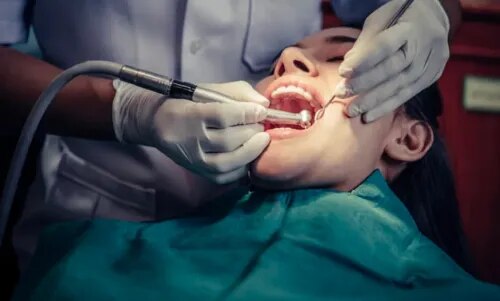
Dynasty Society
08048033422
Dental Crowns & Bridges service image
Dental Crowns & Bridges

Dental Crowns & Bridges in Wakad & Pimple Gurav, Pune | OralNest Dental Clinic Is your tooth badly damaged, weakened after a root canal treatment, broken due to an injury or affected by an old restoration? Are you missing one or more teeth and wondering how to restore your ability to chew comfortably? Dental crowns and bridges can help restore damaged teeth, replace missing teeth in selected cases and improve the function and appearance of your smile. The right treatment depends on the condition of the remaining tooth structure, the health of the supporting tissues and your long-term dental needs. At OralNest Dental Clinic, patients seeking dental crowns and bridges in Wakad and Pimple Gurav, Pune, can receive an assessment to understand their restorative options. Dr. Ashutosh Dighe (BDS, MDS – Oral Medicine & Maxillofacial Radiology, PhD Scholar, Fellowship in Contemporary Endodontics, Certified Endodontist) evaluates relevant clinical findings to help determine the factors influencing treatment selection, tooth preservation and restorative planning. 1) When Should You Consider Dental Crowns & Bridges? A dental crown may be considered when a tooth is extensively damaged by decay, has a substantial fracture, requires protection after certain root canal treatments or needs replacement of a failing restoration. It covers the visible portion of a tooth to help restore its shape, strength and function when clinically appropriate. A dental bridge may be an option when one or more teeth are missing and the surrounding teeth or other supporting structures are suitable for the proposed restoration. Missing teeth can affect chewing, appearance and the distribution of forces during biting. However, a bridge is not automatically the best choice for every missing tooth; dental implants, removable prostheses or other options may also be considered depending on the individual condition. An assessment helps determine whether a crown, bridge or alternative restoration is appropriate for your dental needs. 2) What Happens During a Dental Crown & Bridge Consultation? The consultation may include an examination of the affected tooth or missing-tooth area, the amount of remaining tooth structure, gum health, bite relationships and the condition of existing restorations. Previous root canal treatment, signs of infection, cracks and the health of potential supporting teeth may also influence the treatment plan. Depending on the findings, dental X-rays or other appropriate investigations may be recommended. The discussion may cover the type of restoration, material options, expected function, limitations, maintenance requirements and the likely sequence of treatment. Before placing a crown, the underlying tooth must be assessed for restorability and any active disease that requires attention. For a bridge, the suitability of the supporting teeth or structures is particularly important. The objective is to plan a restoration that addresses the problem without overlooking the condition of the teeth and tissues supporting it. 3) How Do You Choose the Right Dental Crown or Bridge? The choice depends on the extent of tooth damage, the number and position of missing teeth, bite forces, gum health, aesthetic expectations and the long-term prognosis of the proposed restoration. Different restorative materials have different strengths, appearances and clinical indications, so the decision should be based on the location of the tooth and the demands placed on it. A crown can protect and restore a suitable damaged tooth, but it cannot compensate for every underlying problem. Similarly, a bridge may replace missing teeth effectively in selected cases, but its success depends on the condition and maintenance of its supporting structures. Where appropriate, preserving natural teeth and avoiding unnecessary removal of healthy tooth structure should remain important considerations. A personalised assessment helps you understand the advantages, limitations and maintenance needs of each option before proceeding with treatment. Dental Crowns & Bridges in Wakad & Pimple Gurav OralNest Dental Clinic welcomes patients from Wakad, Pimple Gurav, Rahatani, Pimple Saudagar, Hinjawadi, Baner, Balewadi, Tathawade and nearby Pimpri-Chinchwad areas seeking guidance about damaged teeth, broken restorations and missing teeth. Whether you have been advised to get a crown after root canal treatment, need to restore a fractured tooth or want to explore options for replacing missing teeth, a personalised consultation can help clarify which restorative approaches may suit your condition and what is required to maintain the result over time. Frequently Asked Questions 1) Is a dental crown always necessary after root canal treatment? Not every tooth requires the same type of restoration. A crown may be recommended when a tooth has lost substantial structure or needs additional protection against fracture. The decision depends on the tooth's location, remaining structure, existing damage and functional demands. 2) What is the difference between a dental crown and a dental bridge? A crown covers and restores an individual tooth or suitable implant-supported structure. A bridge replaces one or more missing teeth by connecting the replacement teeth to supporting teeth or implants, depending on the design. 3) Can a dental bridge replace a missing tooth? Yes, a bridge may be suitable for replacing a missing tooth when the supporting structures and surrounding oral conditions are appropriate. Other options, including dental implants or removable prostheses, may also be considered. 4) How long do dental crowns and bridges last? Their lifespan varies according to the material, fit, bite forces, oral hygiene, supporting tooth health and maintenance. Regular dental reviews and appropriate cleaning can help identify problems early and support long-term function. 5) Does getting a dental crown or bridge require special care? Good oral hygiene remains essential. Crowns require careful cleaning around the gumline, while bridges need particular attention to cleaning beneath the replacement tooth and around their supporting structures. Your dentist can explain the appropriate cleaning method for your restoration. At OralNest Dental Clinic, dental crown and bridge planning focuses on restoring function, protecting suitable damaged teeth and replacing missing teeth when indicated. Understanding the condition of your teeth, the available restorative options and the maintenance required can help you make an informed decision about your long-term oral health.

Smile Designing service image
Smile Designing

Smile Designing in Wakad & Pimple Gurav, Pune | OralNest Dental Clinic Are you unhappy with the shape, colour, alignment or overall appearance of your smile? Do you have gaps between your teeth, uneven edges, worn teeth, visible discolouration or restorations that no longer look natural? Smile designing involves assessing these concerns together to understand how the appearance of your teeth, gums and bite can be improved while respecting your natural dental structure and oral health. At OralNest Dental Clinic, patients seeking smile designing in Wakad and Pimple Gurav, Pune, can receive an individual assessment of their smile concerns, dental condition and aesthetic expectations. Dr. Ashutosh Dighe (BDS, MDS – Oral Medicine & Maxillofacial Radiology, PhD Scholar, Fellowship in Contemporary Endodontics, Certified Endodontist) evaluates relevant clinical findings to help determine the factors that influence smile improvement, treatment selection and long-term dental function. 1) When Should You Consider Smile Designing? Smile designing may be appropriate if you are concerned about discoloured teeth, uneven tooth shapes, small gaps, chipped edges, worn teeth, irregular alignment or the appearance of existing crowns and fillings. Some people want to improve one particular feature, while others wish to understand how several concerns can be addressed together. However, an attractive smile does not always require multiple dental procedures. Tooth discolouration may respond to professional whitening, minor chips may be corrected with tooth-coloured bonding, and alignment concerns may be better addressed through orthodontic treatment. Where teeth are worn, damaged or structurally compromised, restorative options may also need to be considered. A consultation helps identify the actual cause of each concern and distinguish between improvements that can be achieved conservatively and those requiring more comprehensive treatment planning. 2) What Happens During a Smile Designing Consultation? The assessment may include an examination of tooth colour, shape, size, spacing, alignment, gum appearance, existing restorations and bite relationships. Your dental history, oral hygiene, functional concerns and expectations are also important because smile design must consider more than appearance alone. Depending on your needs, possible treatment options may include professional teeth whitening, tooth-coloured bonding, dental veneers, dental crowns, orthodontic treatment or a combination of suitable procedures. Photographs, digital scans or other investigations may be recommended when they help with assessment and planning. Before treatment begins, the discussion should clarify which concerns can realistically be improved, what each procedure involves, whether healthy tooth structure needs to be altered, and what maintenance may be required. The aim is to establish an appropriate plan rather than select procedures simply because they are popular. 3) How Do You Choose the Right Smile Designing Treatment? The right approach depends on your existing dental condition, the cause of the aesthetic concern, the health of your teeth and gums, your bite and the outcome you wish to achieve. Whitening can improve certain types of discolouration but cannot change tooth shape. Bonding may address small chips or selected gaps, while veneers or crowns may be considered in specific clinical situations. If crowded or misaligned teeth are the primary concern, orthodontic treatment may offer a more suitable approach than altering otherwise healthy teeth. Similarly, active decay, gum disease, significant tooth wear or bite-related problems may need to be addressed before elective cosmetic procedures are planned. Good smile designing balances appearance with function, durability, oral health and future maintenance. Understanding the benefits and limitations of each option helps you choose a treatment plan that suits your individual needs without unnecessary intervention. Smile Designing in Wakad & Pimple Gurav OralNest Dental Clinic welcomes patients from Wakad, Pimple Gurav, Rahatani, Pimple Saudagar, Hinjawadi, Baner, Balewadi, Tathawade and nearby Pimpri-Chinchwad areas who want professional guidance about improving their smiles. Whether your concern involves tooth colour, gaps, uneven edges, worn teeth, alignment or existing dental restorations, a personalised smile designing consultation can help clarify the available options and the factors that influence treatment planning. The objective is to identify realistic improvements while protecting oral health and maintaining a natural-looking, functional smile. Frequently Asked Questions 1) What is smile designing in dentistry? Smile designing is an individualised approach to evaluating and improving the appearance of a smile. Depending on the person's needs, it may involve one treatment or a combination of procedures addressing tooth colour, shape, spacing, alignment, gums or existing restorations. 2) Does smile designing always require dental veneers? No. Veneers are only one possible option. Whitening, bonding, orthodontic treatment or other conservative approaches may be more suitable depending on the concern and the condition of your teeth. 3) Can smile designing correct gaps and uneven teeth? In many cases, suitable options are available. Small gaps or minor shape irregularities may sometimes be managed with bonding, while more significant spacing or alignment problems may require orthodontic treatment or other restorative planning. 4) Is smile designing suitable for everyone? Not every procedure is suitable for every patient. Tooth decay, gum disease, significant wear and other oral health concerns may need to be assessed or treated before elective smile improvement. The appropriate approach depends on individual clinical findings. 5) How long does smile designing take? The duration depends on the treatments involved. Some improvements may be completed in a short period, while orthodontic treatment, gum-related procedures or comprehensive restorative plans may take considerably longer. A personalised assessment helps establish a realistic timeline. At OralNest Dental Clinic, smile designing begins with understanding what you would like to change and assessing what your teeth and gums actually need. By considering appearance, function, natural tooth preservation and long-term maintenance together, a personalised treatment plan can help you make informed decisions about improving your smile.

Dental Veneers (E.max Veneers)  service image
Dental Veneers (E.max Veneers)

Dental Veneers (E.max Veneers) in Wakad & Pimple Gurav, Pune | OralNest Dental Clinic Are you concerned about stained teeth that do not respond to whitening, uneven tooth shapes, small gaps, chipped edges or a smile that lacks uniformity? Dental veneers may help improve the visible appearance of selected teeth by changing their colour, shape, size or proportions. E.max veneers are ceramic restorations known for their translucency and natural-looking appearance, making them an option for suitable patients seeking aesthetic smile improvement. However, the right approach depends on your existing tooth structure, bite, gum health and expectations. At OralNest Dental Clinic, patients considering dental veneers in Wakad and Pimple Gurav, Pune, can receive an assessment of their smile concerns and the clinical factors influencing veneer treatment. Dr. Ashutosh Dighe (BDS, MDS – Oral Medicine & Maxillofacial Radiology, PhD Scholar, Fellowship in Contemporary Endodontics, Certified Endodontist) evaluates relevant clinical findings to help patients understand suitable aesthetic options, treatment considerations and the importance of preserving healthy natural tooth structure. 1) When Should You Consider Dental Veneers? Dental veneers may be considered when you want to improve persistent tooth discolouration, minor chips, irregular tooth shapes, selected gaps or uneven proportions between visible teeth. They can also be used in carefully selected cases to improve the appearance of certain existing dental irregularities. E.max veneers are made from lithium disilicate glass-ceramic, a material valued for its optical properties and strength when appropriately designed and used in suitable clinical situations. Their appearance can be planned to complement the surrounding teeth rather than creating an unnecessarily artificial or uniform look. However, veneers are not the right solution for every cosmetic concern. Some types of discolouration may respond to professional whitening, minor chips may be managed with tooth-coloured bonding, and alignment problems may be better addressed through orthodontic treatment. A consultation helps determine whether veneers are appropriate or whether a more conservative option could achieve your desired outcome. 2) What Happens During an E.max Veneer Consultation? The assessment may include an examination of tooth colour, shape, spacing, enamel condition, gum health, bite relationships and existing restorations. Your expectations regarding the final appearance, including shade, proportions and overall smile balance, are also important in treatment planning. The dentist may evaluate whether sufficient healthy tooth structure is available, whether the teeth are suitable for veneer placement and whether issues such as tooth grinding, significant wear, decay or gum disease need attention first. Photographs, dental impressions or digital scans may be recommended to support planning, depending on the clinical requirements. If E.max veneers are considered suitable, the treatment discussion may cover preparation of the teeth, the amount of enamel that may need to be removed, veneer design, shade selection, placement and maintenance. Some cases may require minimal preparation, while others need more extensive alteration of the tooth surface. Veneers should not be assumed to be completely preparation-free or reversible. The objective is to establish whether the proposed treatment can achieve a suitable aesthetic improvement while maintaining the health and function of your teeth. 3) Are E.max Veneers the Right Choice for Your Smile? The suitability of E.max veneers depends on the condition of your teeth, the amount of available enamel, the severity of the aesthetic concern, your bite and your oral habits. Their translucency can help create a natural-looking appearance, but the final result also depends on appropriate case selection, design, shade planning, fit and clinical execution. Veneers may not be advisable without addressing active decay, gum disease, substantial structural damage or certain bite-related problems. Patients who frequently grind or clench their teeth may require additional assessment because excessive forces can increase the risk of chipping or fracture. In some situations, bonding, whitening, orthodontic treatment or dental crowns may be more appropriate. It is also important to understand that veneers require ongoing care and may eventually need repair or replacement. Good oral hygiene, regular dental reviews and appropriate management of grinding habits can help maintain them. A well-planned veneer treatment should balance appearance, function, durability and the preservation of natural tooth structure rather than focus on colour alone. Dental Veneers (E.max Veneers) in Wakad & Pimple Gurav OralNest Dental Clinic welcomes patients from Wakad, Pimple Gurav, Rahatani, Pimple Saudagar, Hinjawadi, Baner, Balewadi, Tathawade and nearby Pimpri-Chinchwad areas who want to explore ceramic veneers and other smile improvement options. Whether you are concerned about discoloured teeth, uneven edges, small gaps or the proportions of your visible teeth, a personalised veneer consultation can help clarify whether E.max veneers are suitable for your condition. The assessment can also help you compare veneers with more conservative alternatives and understand the treatment requirements before making a decision. Frequently Asked Questions 1) What are E.max dental veneers? E.max veneers are thin ceramic restorations made from lithium disilicate glass-ceramic. They are bonded to the front surfaces of suitable teeth to improve selected aesthetic concerns involving colour, shape or proportions. 2) Are E.max veneers better than composite bonding? Neither option is universally better. E.max veneers may be suitable for selected cases requiring ceramic aesthetic restorations, while composite bonding can address certain concerns with a more conservative approach. The appropriate choice depends on the tooth condition, aesthetic goals, bite and long-term considerations. 3) Do E.max veneers require shaving natural teeth? Some cases may require minimal preparation, while others need more tooth reduction to achieve appropriate fit and appearance. The amount depends on the existing tooth shape, alignment and treatment objectives. The preparation requirements should be discussed before treatment begins. 4) How long do E.max veneers last? Their lifespan varies with case selection, bonding quality, bite forces, oral hygiene and maintenance. Veneers can chip, fracture, debond or require replacement over time, so regular reviews and appropriate care remain important. 5) Are E.max veneers suitable for crooked or crowded teeth? They may improve the appearance of minor irregularities in selected cases, but they do not move teeth or correct the underlying bite. When crowding or misalignment is significant, orthodontic treatment may be a more appropriate option. At OralNest Dental Clinic, dental veneer consultation focuses on understanding your aesthetic goals while assessing whether your teeth are suitable for ceramic restorations. By considering tooth preservation, bite, gum health, material characteristics and long-term maintenance, the aim is to help you make an informed decision about E.max veneers and the alternatives available for your smile.

Zirconia Crowns  service image
Zirconia Crowns

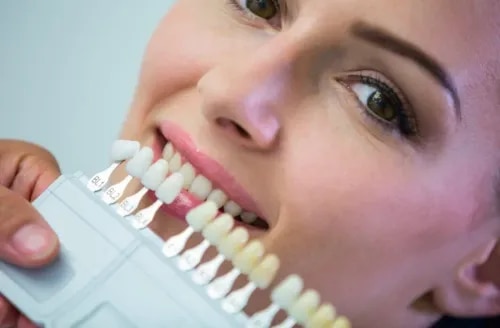
Zirconia Crowns in Wakad & Pimple Gurav, Pune | OralNest Dental Clinic Is your tooth badly damaged, weakened after root canal treatment, fractured or affected by an old crown that needs replacement? You may be considering a zirconia crown to restore its strength, appearance and chewing function. Zirconia crowns are tooth-shaped restorations made from zirconia ceramic, a material valued for its strength and suitability for many restorative situations. However, choosing the right crown involves more than selecting a material; the condition of the tooth, bite forces, remaining tooth structure and aesthetic requirements all matter. At OralNest Dental Clinic, patients considering zirconia crowns in Wakad and Pimple Gurav, Pune, can receive an assessment of the affected tooth and the restorative options appropriate for their condition. Dr. Ashutosh Dighe (BDS, MDS – Oral Medicine & Maxillofacial Radiology, PhD Scholar, Fellowship in Contemporary Endodontics, Certified Endodontist) evaluates relevant clinical findings to help patients understand crown suitability, tooth preservation and the factors influencing long-term restorative planning. 1) When Should You Consider a Zirconia Crown? A zirconia crown may be considered when a tooth has substantial structural damage, a large existing filling, a significant fracture or a need for additional protection after certain root canal treatments. It may also be used to replace a damaged or unsuitable existing crown when a new restoration is clinically indicated. The choice depends on how much healthy tooth structure remains and whether the tooth can be restored predictably. A small cavity may require only a filling, while a more extensively damaged tooth may benefit from a crown. A crown is not automatically necessary after every root canal treatment, and the decision should be based on the tooth's condition and functional demands. Zirconia may be suitable for selected front or back teeth, depending on the material type, design, bite and aesthetic requirements. An assessment helps determine whether zirconia is appropriate or whether another restorative material or treatment would better suit your needs. 2) What Happens During a Zirconia Crown Consultation? The assessment may include an examination of the damaged tooth, remaining tooth structure, gum health, bite relationships and any existing restoration. If the tooth has undergone root canal treatment, its restorative condition and any signs of persistent problems may also need evaluation. Dental X-rays or other investigations may be recommended when clinically necessary. If a zirconia crown is appropriate, treatment planning may involve preparing the tooth, recording its shape through an impression or digital scan, selecting a suitable crown design and checking the fit and bite before final placement. The discussion should also cover the expected treatment sequence, aesthetic considerations, maintenance requirements and any additional procedures needed before the crown can be placed. If the tooth has extensive damage or an uncertain prognosis, these concerns should be evaluated before committing to a final restoration. The objective is to restore the tooth appropriately while considering its long-term function and the health of the surrounding tissues. 3) Are Zirconia Crowns the Right Choice for Your Tooth? Zirconia crowns are known for their strength, but no crown material is ideal for every situation. The most suitable option depends on the position of the tooth, chewing forces, available tooth structure, gum condition, appearance requirements and the design of the restoration. Some zirconia formulations prioritise strength, while others offer greater translucency for aesthetic applications. The final appearance also depends on the shade, thickness, preparation, laboratory design and surrounding teeth. In certain situations, another ceramic material or a different type of restoration may be more appropriate. Proper fit, accurate bite adjustment and good oral hygiene are important for maintaining a crown. Zirconia crowns can still experience complications, including chipping in some designs, wear involving opposing teeth if the surface is not appropriately finished, or problems associated with the underlying tooth and gums. A personalised assessment helps you understand the advantages and limitations of zirconia, whether your tooth can be preserved and what care may be required after placement. Zirconia Crowns in Wakad & Pimple Gurav OralNest Dental Clinic welcomes patients from Wakad, Pimple Gurav, Rahatani, Pimple Saudagar, Hinjawadi, Baner, Balewadi, Tathawade and nearby Pimpri-Chinchwad areas who want to understand their options for restoring damaged or weakened teeth. Whether you have been advised to get a crown after root canal treatment, have a fractured tooth or need an assessment of an existing restoration, a personalised consultation can help clarify whether a zirconia crown is suitable for your condition and which factors should guide the treatment decision. Frequently Asked Questions 1) What is a zirconia dental crown? A zirconia crown is a tooth-shaped restoration made from zirconia ceramic that covers a damaged or weakened tooth to help restore its shape, function and appearance when clinically appropriate. 2) Are zirconia crowns suitable for back teeth? Zirconia is commonly considered for back teeth because of its strength. However, the appropriate material and design depend on bite forces, available tooth structure, the opposing teeth and individual clinical requirements. 3) Is a zirconia crown necessary after every root canal treatment? No. The need for a crown depends on the amount of remaining tooth structure, the location of the tooth, existing damage and the forces it must withstand. Some teeth may be restored differently, depending on their condition. 4) How long do zirconia crowns last? Their lifespan varies according to crown design, fit, bite forces, oral hygiene, underlying tooth health and maintenance. Regular dental reviews and proper cleaning help monitor the condition of both the crown and the supporting tissues. 5) Are zirconia crowns better than other dental crowns? Not in every situation. Zirconia offers strength and can provide good aesthetics, but other ceramic or restorative materials may be more suitable for particular teeth and treatment goals. The choice should be based on clinical requirements rather than material popularity alone. At OralNest Dental Clinic, zirconia crown consultation focuses on understanding the condition of your tooth before deciding on the appropriate restoration. By considering strength, appearance, bite function, remaining natural tooth structure and long-term maintenance together, the aim is to help you make an informed decision about restoring your tooth.

Laser Teeth Whitening  service image
Laser Teeth Whitening

Laser Teeth Whitening in Wakad & Pimple Gurav, Pune | OralNest Dental Clinic Are your teeth looking yellow or stained despite regular brushing? Have tea, coffee, tobacco or other factors affected the brightness of your smile? Laser teeth whitening is a professional cosmetic dental procedure that uses a whitening agent, sometimes alongside a specialised light or laser system, to help reduce certain types of tooth discolouration. However, the results depend on the cause of the staining, the condition of your teeth and gums, and the whitening technique used. At OralNest Dental Clinic, patients considering laser teeth whitening in Wakad and Pimple Gurav, Pune, can receive an assessment to understand the reasons for tooth discolouration and whether professional whitening is suitable for them. Dr. Ashutosh Dighe (BDS, MDS – Oral Medicine & Maxillofacial Radiology, PhD Scholar, Fellowship in Contemporary Endodontics, Certified Endodontist) evaluates relevant clinical findings to help patients understand their whitening options, treatment limitations and the importance of protecting their oral health during cosmetic procedures. 1) When Should You Consider Laser Teeth Whitening? Professional teeth whitening may be considered if your teeth have become yellow or stained because of ageing, dietary habits or certain external stains. Some types of discolouration respond well to whitening, while others may require a different approach. Before recommending treatment, it is important to determine whether the discolouration is caused by surface staining, changes within the tooth or another dental condition. For example, a single darkened tooth may require investigation rather than routine whitening, while certain intrinsic stains may respond less predictably to conventional whitening methods. Existing dental restorations, including crowns, veneers and tooth-coloured fillings, do not whiten in the same way as natural teeth. An assessment helps establish realistic expectations and determine whether professional whitening, another cosmetic treatment or further investigation is appropriate. 2) What Happens During a Laser Teeth Whitening Consultation? The consultation may include an assessment of tooth colour, the pattern of discolouration, gum health, tooth sensitivity, existing restorations and any signs of decay or enamel damage. Your dental history and expectations regarding the final shade are also important considerations. If professional whitening is suitable, the treatment process and the whitening system to be used can be discussed. Depending on the technique, a whitening agent may be applied to the teeth, with a specialised light or laser used as part of the protocol. The gums and other soft tissues must be protected appropriately during treatment. The procedure, expected shade improvement, possible sensitivity and aftercare requirements should be explained before treatment begins. The final result varies between individuals, and no specific shade or degree of whitening can be guaranteed. 3) Is Laser Teeth Whitening the Right Choice for You? Laser teeth whitening may be suitable for selected patients who want to improve the appearance of naturally discoloured teeth. However, it is not automatically more effective or appropriate for everyone simply because a laser or specialised light is used. Some patients may achieve satisfactory results with professional whitening methods that do not use a laser. Others may need treatment for cavities, gum inflammation or another underlying problem before cosmetic whitening can be considered. Patients with significant tooth sensitivity, certain types of intrinsic staining or extensive visible restorations may require an alternative approach. Temporary tooth sensitivity and gum irritation are possible side effects of professional whitening. Appropriate case selection, protection of the soft tissues and adherence to treatment instructions help reduce avoidable problems. Maintaining oral hygiene and understanding the causes of staining can also help preserve the result. The objective is to choose a whitening approach that suits your dental condition, provides realistic aesthetic improvement and prioritises the health of your teeth and gums. Laser Teeth Whitening in Wakad & Pimple Gurav OralNest Dental Clinic welcomes patients from Wakad, Pimple Gurav, Rahatani, Pimple Saudagar, Hinjawadi, Baner, Balewadi, Tathawade and nearby Pimpri-Chinchwad areas who want professional guidance about tooth discolouration and teeth whitening. Whether your teeth appear yellow, have developed stains over time or you are considering whitening before an important occasion, a personalised consultation can help clarify the available options, likely outcomes and precautions relevant to your dental condition. Frequently Asked Questions 1) What is laser teeth whitening? Laser teeth whitening is a professional cosmetic procedure in which a whitening agent is used to lighten certain types of tooth discolouration. Some systems incorporate a specialised light or laser, depending on the treatment protocol. 2) Does laser teeth whitening give immediate results? Some patients notice a visible improvement after a professional whitening session, but the degree of change varies. The result depends on the original tooth shade, the cause of discolouration and the whitening technique used. 3) Is laser teeth whitening painful? The procedure is generally well tolerated, but temporary sensitivity or gum irritation can occur. Patients with existing sensitivity or other dental problems should have their teeth assessed before treatment. 4) Can laser whitening remove every type of tooth stain? No. Many external stains respond to whitening, but some intrinsic discolouration may respond less predictably. Crowns, veneers and fillings also do not change colour in the same way as natural teeth. 5) How can I maintain my teeth whitening results? Maintain regular brushing and interdental cleaning, attend recommended dental reviews and discuss habits that contribute to staining. The longevity of whitening results varies, and repeat treatment should be considered only when appropriate for your dental condition. At OralNest Dental Clinic, laser teeth whitening consultation focuses on understanding the cause of discolouration before selecting a cosmetic approach. By considering tooth sensitivity, gum health, existing restorations and realistic treatment outcomes, the aim is to help you make an informed decision about achieving a brighter smile while protecting your oral health.

Tooth-Coloured Fillings service image
Tooth-Coloured Fillings

Tooth-Coloured Fillings in Wakad & Pimple Gurav, Pune | OralNest Dental Clinic A small cavity, a chipped tooth or a damaged filling may seem like a minor dental problem, but the right treatment can help protect the remaining tooth structure and restore everyday function. Tooth-coloured fillings are commonly used to repair teeth affected by decay or minor damage while maintaining a natural-looking appearance. These restorations are designed to blend with the surrounding tooth, making them a suitable option for many visible and back teeth, depending on the clinical situation. At OralNest Dental Clinic, tooth-coloured fillings are planned according to the extent of decay, the location of the damaged area, the strength of the remaining tooth and the demands placed on it during chewing. Dr. Ashutosh Dighe, BDS, MDS – Oral Medicine & Maxillofacial Radiology, PhD Scholar, Fellowship in Contemporary Endodontics, Certified Endodontist, follows a clinically guided approach to assessing tooth damage and identifying an appropriate restorative option. 1) When Do You Need a Tooth-Coloured Filling? Tooth-coloured fillings may be recommended when a tooth has a cavity, minor chipping or a defective existing filling and enough healthy tooth structure remains for a suitable restoration. You may need an examination if you notice: - A visible cavity or dark spot on a tooth - Food getting trapped in a damaged area - Sensitivity to sweet, cold or hot foods and drinks - A small chip or a rough edge on a tooth - An old filling that has loosened, worn down or broken - Discomfort while chewing Not every dark spot is a cavity, and not every sensitive tooth needs a filling. The cause and extent of the problem should be assessed before treatment is recommended. If decay is deep or the tooth is structurally weakened, a different treatment may be more appropriate. 2) How Do Tooth-Coloured Fillings Restore a Damaged Tooth? Tooth-coloured fillings are commonly made from composite resin, a restorative material selected to match the natural shade of the tooth. When a filling is appropriate, the dentist removes the decayed or unsuitable tooth material as required, prepares the area and places the restorative material to rebuild the affected portion of the tooth. The aim is to restore the tooth's shape and function while preserving as much healthy tooth structure as possible. Shade selection, isolation from moisture, careful placement and appropriate shaping are important considerations in achieving a functional and natural-looking result. The final appearance and durability depend on factors such as the size and location of the filling, biting forces, oral hygiene, grinding or clenching habits and the condition of the remaining tooth. Tooth-coloured fillings can be effective, but they do not last indefinitely and may require repair or replacement over time. 3) Is a Tooth-Coloured Filling Enough, or Do You Need a Crown? The appropriate treatment depends on how much of the tooth has been affected. A small or moderate cavity may be restored with a filling, whereas extensive decay, a large existing restoration, a significant fracture or a weakened tooth may require a more protective restoration, such as an onlay or dental crown. If decay has reached the dental pulp and caused irreversible inflammation or infection, a filling alone may not resolve the problem. Root Canal Treatment may be necessary, followed by an appropriate restoration when indicated. A careful assessment helps distinguish between a tooth that can be repaired with a filling and one that needs a different approach. The objective is to avoid unnecessary removal of healthy tooth structure while providing a restoration suited to the tooth's condition and functional demands. Tooth-Coloured Fillings in Wakad & Pimple Gurav, Pune Patients looking for tooth-coloured fillings in Wakad or Pimple Gurav, Pune, may be concerned about cavities, chipped teeth, visible dark spots or old fillings that have started to fail. A dental examination can help determine whether a composite filling is suitable and whether the damage requires additional treatment. OralNest Dental Clinic serves patients from Wakad, Pimple Gurav, Rahatani, Pimple Saudagar, Hinjawadi, Baner, Balewadi, Tathawade and nearby areas of Pimpri-Chinchwad. Whether you need a filling for a newly detected cavity, repair of a minor chip or assessment of an older restoration, treatment planning depends on the amount of healthy tooth structure remaining and the expected demands on the restored tooth. ## Frequently Asked Questions About Tooth-Coloured Fillings 1. Are tooth-coloured fillings better than silver fillings? Tooth-coloured composite fillings offer an aesthetic advantage because they can be matched to the natural shade of the tooth. The most suitable material depends on the tooth, the size and position of the cavity, biting forces and other clinical factors. 2. Can a tooth-coloured filling treat every cavity? No. Fillings are suitable for many small and moderate areas of decay, but extensive damage or disease involving the dental pulp may require a crown, Root Canal Treatment or another procedure. 3. How long do tooth-coloured fillings last? Their lifespan varies with the size and location of the restoration, oral hygiene, biting forces and other individual factors. Regular dental examinations help identify wear, cracks or leakage that may require attention. 4. Will I feel pain during a filling procedure? The experience depends on the depth of decay and individual sensitivity. Local anaesthesia may be used when appropriate to improve comfort during treatment. Your dentist can explain what to expect before the procedure. 5. Can a tooth-coloured filling repair a chipped tooth? A small chip may often be repaired with composite resin. Larger fractures or teeth with substantial structural damage may require a different restoration, so an examination is important before choosing treatment. Tooth-coloured fillings can restore damaged areas of a tooth while preserving its natural appearance and function when used in appropriate cases. At OralNest Dental Clinic, the focus is on identifying the extent of damage, selecting a suitable restorative material and helping patients understand whether a filling, a crown or another treatment is the most appropriate option for their tooth.

Subcategory Tags

Best Doctor For Root Canal Treatment In WakadRCT Dentist in WakadRoot Canal Dentist Near MeRoot Canal Treatment Specialist In WakadRoot Canal Treatment in Wakad

Contact Us

Live Chat

Connect over WhatsApp to resolve your queries realtime.