TMJ Disorder Consultation
Description
TMJ Disorder Consultation in Wakad & Pimple Gurav, Pune | OralNest Dental Clinic
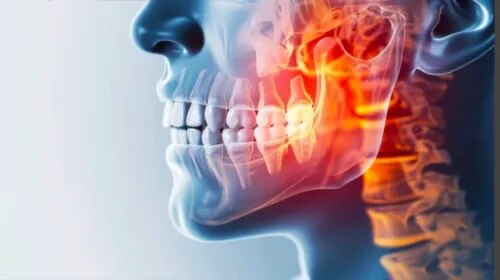
Are you experiencing jaw pain, clicking or popping sounds while opening your mouth, difficulty chewing, morning jaw stiffness or discomfort near your ears? Do you notice that your jaw feels tight, gets tired while eating or does not open as comfortably as before? These symptoms may be associated with temporomandibular disorders (TMD), which affect the jaw joints, surrounding muscles or related structures. Identifying the possible cause is important because not every jaw-related symptom requires the same treatment.
At OralNest Dental Clinic, patients seeking a TMJ disorder consultation in Wakad and Pimple Gurav, Pune, can receive an assessment of their jaw symptoms, movement and relevant oral conditions. Dr. Ashutosh Dighe (BDS, MDS – Oral Medicine & Maxillofacial Radiology, PhD Scholar, Fellowship in Contemporary Endodontics, Certified Endodontist) evaluates relevant clinical findings to help understand the possible causes of jaw discomfort and determine the appropriate next steps.
1) When Should You Consider a TMJ Disorder Consultation?
A TMJ consultation may be appropriate if you experience persistent jaw pain, clicking or popping sounds, restricted mouth opening, discomfort while chewing, tenderness around the jaw muscles or recurring stiffness after waking up. Some patients also report facial discomfort, headaches around the temples or pain near the ears that may be associated with jaw function.
These symptoms can have several causes, including jaw muscle overactivity, teeth clenching or grinding, joint-related problems, dental infections or other conditions affecting the face and mouth. Clicking sounds without pain or restricted movement do not always indicate a disorder requiring treatment. However, persistent pain, worsening symptoms or difficulty opening or closing the mouth deserves professional assessment.
A consultation helps distinguish possible TMJ-related problems from other dental or facial conditions before treatment is considered.
2) What Happens During a TMJ Disorder Consultation?
The assessment may include a discussion of your symptoms, their duration, previous episodes, daily habits and any factors that worsen or relieve the discomfort. The examination may involve jaw movement, the range of mouth opening, joint sounds, tenderness of the chewing muscles, bite relationships and relevant dental or oral findings.
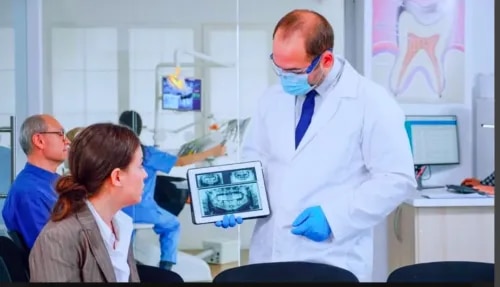
Depending on the clinical assessment, additional investigations or imaging may be recommended when necessary. Not every patient requires a scan, and the appropriate investigation depends on the suspected cause and the information needed to guide treatment.
Management varies according to the findings. It may involve conservative jaw-care measures, habit modification, exercises or physiotherapy guidance where appropriate, a suitable oral appliance in selected cases, medication prescribed when indicated, or referral for further specialist evaluation. The recommended approach depends on the diagnosis rather than the presence of clicking or pain alone.
3) Why Is Identifying the Cause of Jaw Pain Important?
Jaw pain does not automatically mean that the temporomandibular joint is damaged. Similar symptoms can arise from muscle tenderness, clenching, grinding, dental problems, joint inflammation or other conditions involving the face and oral structures.
For this reason, treatment should not be based solely on a clicking sound, headache or assumption that the bite is responsible. An appropriate assessment helps identify the most likely source of symptoms and determine whether conservative management, further investigation or specialist care is required.
Many temporomandibular disorders can initially be managed with conservative, reversible measures. Irreversible changes to the teeth or bite should not be undertaken solely to treat TMJ symptoms without a clear clinical indication. Understanding the cause, expected course and available options can help you avoid unnecessary procedures and make informed decisions about your care.
TMJ Disorder Consultation in Wakad & Pimple Gurav
OralNest Dental Clinic welcomes patients from Wakad, Pimple Gurav, Rahatani, Pimple Saudagar, Hinjawadi, Baner, Balewadi, Tathawade and nearby Pimpri-Chinchwad areas seeking an assessment for jaw pain, clicking sounds, restricted movement or discomfort while chewing.
Whether your symptoms occur mainly in the morning, worsen during meals or involve recurring tightness around the jaw and temples, a personalised TMJ disorder consultation can help clarify the possible causes and appropriate next steps. Sudden inability to open or close the mouth, significant facial swelling, or severe symptoms following an injury require urgent assessment.
Frequently Asked Questions
1) Does jaw clicking always mean I have a TMJ disorder?
No. Clicking or popping can occur without pain or functional difficulty and may not require treatment. Clicking accompanied by pain, locking or restricted movement should be assessed.
2) Can teeth grinding cause jaw pain?
Yes. Clenching and grinding can contribute to overactivity or tenderness of the chewing muscles and may aggravate jaw discomfort. However, other causes are possible, so assessment is important before deciding on management.
3) Can TMJ disorders cause headaches or pain near the ears?
Some temporomandibular disorders can be associated with pain around the temples, facial muscles or ears. These symptoms can also have other causes, so a clinical assessment helps determine whether the jaw is contributing to them.
4) Will I need an X-ray or scan for a TMJ consultation?
Not necessarily. Imaging is recommended when the clinical findings suggest that it would provide useful information. The type of investigation depends on the suspected problem and the purpose of the assessment.
5) Can TMJ problems improve without surgery?
Many cases can be managed conservatively, depending on the diagnosis and severity. Options may include appropriate self-care, habit modification, exercises or other non-surgical measures. More complex cases may require further specialist assessment.
At OralNest Dental Clinic, a TMJ disorder consultation focuses on understanding your jaw symptoms, examining the structures involved and identifying an appropriate care pathway. By considering jaw movement, muscle function, joint findings and other possible causes together, the aim is to help you understand your condition and make informed decisions about managing your discomfort and maintaining comfortable jaw function.