Being told that you need a dental procedure can sometimes leave you with more questions than answers.
“Do I really need this treatment?”
“Can this tooth be saved?”
“Are there other options?”
“Why has one dentist recommended one treatment while another suggested something different?”
“Should I proceed now, or understand the situation better first?”
A second opinion can be useful in these situations—not necessarily because the first opinion is wrong, but because important dental decisions deserve to be understood clearly before you proceed.
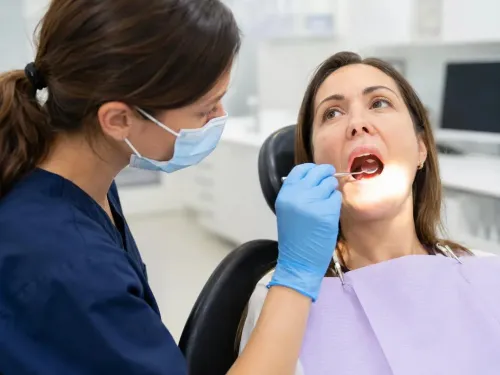
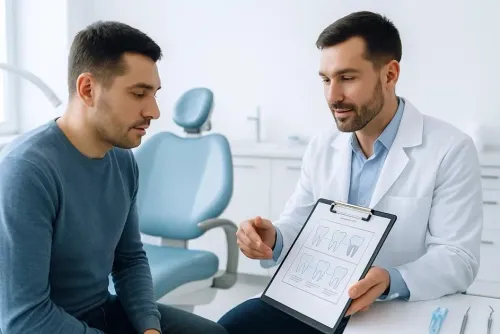
At OralNest Dental Clinic | Wakad, a second-opinion consultation is approached as an opportunity to review the clinical situation, understand the diagnosis and examine the reasoning behind the proposed treatment.
What Is a Dental Second Opinion?
A dental second opinion is an independent clinical assessment of an existing dental concern, diagnosis or proposed treatment plan.
You may already have:
a diagnosis;
an X-ray or scan;
a proposed treatment;
an extraction recommendation;
a root canal recommendation;
an implant treatment plan;
a wisdom tooth removal recommendation;
or a complex rehabilitation plan.
The purpose of a second opinion is to help you understand the situation from another clinical perspective.
It should not simply become:
“Dentist A said this. Dentist B says something different.”
Instead, the useful question is:
“What does the available clinical evidence actually suggest, and why?”
When Is a Second Opinion Particularly Worth Considering?
Not every routine dental procedure requires another consultation.
However, a second opinion can be especially useful when the decision is significant, complex or irreversible.
Consider seeking one when:
1. Tooth Extraction Has Been Recommended
Extraction permanently removes a tooth.
If there is uncertainty about whether the tooth can be predictably preserved, understanding the diagnosis and alternatives before extraction may be valuable.
This does not mean extraction is necessarily inappropriate.
Some teeth genuinely cannot be predictably restored or preserved.
The purpose of a second opinion is to understand why extraction is being recommended and whether reasonable alternatives exist.
2. You Have Been Told You Need a Root Canal
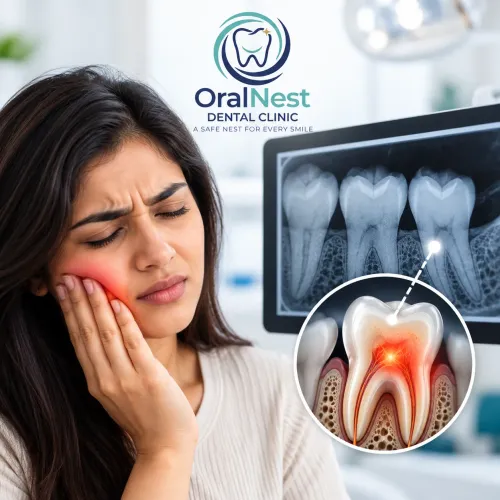
A toothache does not automatically mean that root canal treatment is required.
If RCT has been recommended, you may reasonably want to understand:
What is the diagnosis?
What evidence supports the diagnosis?
What is the condition of the pulp?
Is the tooth restorable?
What is the expected purpose of treatment?
Are there alternatives?
What happens if treatment is delayed?
A second opinion can be particularly useful when the symptoms and proposed treatment do not seem to match from the patient's perspective.
3. Root Canal Treatment Has Failed
A previously treated tooth that continues to cause symptoms can be challenging.
Possible reasons may include:
persistent or recurrent infection;
complex canal anatomy;
an untreated canal;
leakage;
new decay;
fracture or crack;
problems involving tissues around the root;
or another source of pain.
Before immediately choosing extraction or another procedure, it may be useful to understand why the previous treatment did not achieve the expected outcome.
The next treatment decision should ideally follow that understanding.
4. A Dental Implant Has Been Recommended
Dental implants can be an effective option for replacing missing teeth, but implant treatment is not simply about placing an implant.
Planning may involve consideration of:
the missing tooth;
surrounding teeth;
available bone;
soft tissues;
functional requirements;
restoration;
bite;
long-term maintenance.
If you have been presented with a complex implant plan, a second opinion can help you understand the proposed sequence, alternatives and reasons behind the recommendation.
5. You Have Been Given Different Treatment Opinions
This is one of the most obvious reasons patients seek another consultation.
For example:
One dentist says:
“The tooth needs extraction.”
Another says:
“The tooth may be treatable.”
Or:
One recommends:
“Root canal treatment.”
Another suggests:
“The tooth may not require RCT.”
Different recommendations do not automatically mean that one clinician is wrong.
Dental treatment can involve clinical judgement, different interpretations of findings, varying treatment possibilities and differences in prognosis.
The useful next step is to understand:
What findings are leading to each recommendation?
6. You Are Unsure About the Diagnosis
Sometimes the issue is not the treatment plan.
It is the diagnosis itself.
For example:
persistent tooth pain without an obvious cavity;
facial pain with no clear dental cause;
recurrent mouth ulcers;
unexplained oral lesions;
persistent tongue discomfort;
jaw pain;
symptoms that continue despite previous treatment.
When the cause is uncertain, another clinical evaluation may help determine whether further diagnostic assessment is appropriate.
7. The Proposed Treatment Is Extensive
A second opinion can be particularly useful before starting major treatment involving several teeth.
Examples include:
multiple crowns;
extensive restorative treatment;
full mouth rehabilitation;
multiple implants;
extensive smile reconstruction;
treatment involving several extractions;
complex combinations of endodontic and restorative procedures.
The purpose is not to delay necessary treatment.
It is to understand the overall treatment sequence before committing to a major plan.
What Should a Good Second Opinion Include?
A meaningful second opinion should involve more than looking at an X-ray for a few minutes.
Ideally, the clinical picture should include:
Your symptoms
What you are experiencing and how the problem has developed.
Previous treatment
What has already been done and how the condition responded.
Clinical examination
Assessment of the relevant teeth, tissues, joints or other structures.
Existing diagnostic records
Previous X-rays, scans, photographs or reports where relevant.
Additional evaluation when appropriate
If the available information is insufficient, further diagnostic assessment may be considered.
Treatment reasoning
Why a particular treatment may or may not be appropriate.
Alternatives
Whether other reasonable approaches exist.
Prognosis and expectations
What the proposed treatment is intended to achieve and what limitations may exist.
Bring Your Existing Dental Records
If you are seeking a second opinion, bring whatever relevant information you already have.
This may include:
dental X-rays;
CBCT scans;
previous prescriptions;
treatment reports;
photographs;
previous root canal records;
implant planning information;
laboratory reports where relevant;
previous treatment history.
You do not necessarily need to repeat every diagnostic procedure.
Existing records can sometimes provide valuable information and may help the clinician understand how the problem has developed.
A Second Opinion Does Not Always Mean a Different Treatment
This is an important point.
Sometimes a second opinion confirms the original diagnosis and treatment recommendation.
That can still be valuable.
Why?
Because you may now understand:
what the diagnosis means;
why treatment is required;
what alternatives were considered;
why a particular procedure is appropriate;
what to expect afterward.
The value of a second opinion is therefore not measured simply by whether it produces a different treatment.
Its value can be the clarity it provides.
When the Opinions Differ
If two clinical opinions differ, do not focus only on the procedure names.
Ask about the reasoning.
For example:
What diagnosis is being considered?
What clinical findings support it?
What does the imaging show?
Can the tooth be predictably restored?
What are the alternatives?
What happens if treatment is delayed?
What are the advantages and limitations of each option?
These questions move the discussion from:
“Which dentist should I believe?”
to:
“Which clinical explanation best fits the available evidence?”
That is a much more useful way to approach a treatment decision.
Second Opinion Before an Irreversible Procedure
Some dental procedures cannot simply be undone.
Examples include:
extraction;
extensive tooth preparation;
certain surgical procedures;
some irreversible restorative interventions.
If you are uncertain before proceeding with an irreversible treatment, obtaining additional clarity beforehand may be reasonable.
This does not mean every treatment decision requires multiple consultations.
It means that when you remain uncertain about an important decision, it is reasonable to ask questions before proceeding.
Second Opinion for Complex Pain
Pain that continues despite treatment can be particularly frustrating.
If a tooth has already been treated but the pain remains, the next step should not necessarily be another procedure simply because the first one did not solve the problem.
The source of the pain may need to be reconsidered.
This can involve evaluating:
the treated tooth;
neighbouring teeth;
gums;
surrounding tissues;
jaw muscles;
TMJ;
previous treatment;
other possible sources of orofacial pain.
Persistent symptoms deserve explanation before another treatment is automatically chosen.
Second Opinion for Oral Lesions
Oral problems are not always dental-tooth problems.
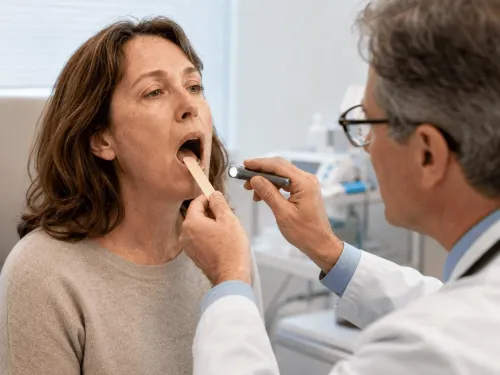
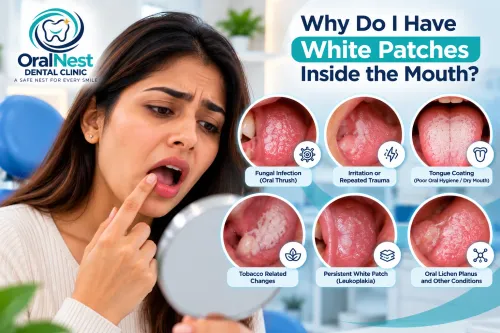
If you have a recurring or persistent mouth ulcer, white or red patch, unexplained lump, burning sensation or other oral change, a second opinion may sometimes be appropriate when the diagnosis remains uncertain or the problem does not behave as expected.
The important point is not to diagnose yourself from photographs online.
The mouth needs to be assessed in its clinical context.
Duration, location, appearance, recurrence, associated symptoms and other findings may all matter.
What Questions Should You Ask During a Second Opinion?
Before leaving the consultation, consider asking:
About the diagnosis
What do you think is causing my problem?
How certain is the diagnosis?
Is anything else being considered?
About treatment
Why is this treatment being recommended?
What is the objective?
Are there alternatives?
What happens if I wait?
About preservation
Can the tooth or structure be preserved?
If not, why not?
About complexity
What makes my case straightforward or complex?
How many stages might be required?
About the future
What happens after treatment?
What maintenance will be needed?
What should I watch for?
These questions can make a consultation much more useful.
When You May Not Need a Second Opinion
A second opinion is not necessary for every dental decision.
For routine and straightforward care, repeatedly seeking different opinions may simply delay appropriate treatment.
If the diagnosis is clear, the treatment is appropriate, and you understand the recommendation, you may already have enough information to make your decision.
The purpose of a second opinion is clarity when clarity is needed—not doubt for its own sake.
Dental Second Opinion at OralNest
At OralNest Dental Clinic | Wakad, second-opinion consultations can be particularly relevant for patients seeking clarity about:
tooth preservation versus extraction;
root canal treatment;
failed or persistent root canal symptoms;
wisdom tooth decisions;
dental implants;
TMJ and orofacial pain;
unexplained dental or oral symptoms;
complex treatment plans;
multiple treatment recommendations.
The clinical background of Dr. Ashutosh Dighe includes BDS, MDS in Oral Medicine & Maxillofacial Radiology, PhD Scholar, Fellowship in Contemporary Endodontics and Certified Endodontist.
The purpose of the consultation is to review the clinical situation carefully and help the patient understand the diagnosis and available treatment considerations.
Convenient Evening Appointments
For working professionals and patients with busy daytime schedules, OralNest follows an appointment-led evening practice model.
Monday–Saturday
5:30 PM – 9:00 PM
Sunday
10:00 AM – 1:00 PM
Prior appointment is convenient
If you are coming for a second opinion, advance scheduling is particularly useful because it allows time for reviewing your concern and any previous records you bring.
Patients from Wakad and nearby areas such as Hinjawadi, Tathawade, Pimple Saudagar, Pimple Gurav, Rahatani and surrounding Pimpri-Chinchwad areas can plan a consultation according to their schedule.
The Purpose of a Second Opinion Is Not to Create Confusion
A second opinion should do the opposite.
It should help answer:
What is happening?
Why is it happening?
What treatment is actually being considered?
Why is it being recommended?
Can anything be preserved?
Are there alternatives?
What should happen next?
You may ultimately choose the same treatment that was originally recommended.
But now you understand why.
And that understanding is an important part of making an informed dental decision.
Final Thought
You do not need to seek a second opinion every time you visit a dentist.
But when the diagnosis is uncertain, the treatment is extensive, the decision is irreversible, symptoms persist despite treatment, or you simply do not understand why a particular procedure has been recommended, asking for another clinical perspective can be reasonable.
A second opinion is not necessarily about finding a different answer.
Sometimes it is about becoming confident that you understand the answer you already have.
At OralNest Dental Clinic | Wakad:
Understand First. Decide Carefully. Treat Precisely.
“Do I really need this treatment?”
“Can this tooth be saved?”
“Are there other options?”
“Why has one dentist recommended one treatment while another suggested something different?”
“Should I proceed now, or understand the situation better first?”
A second opinion can be useful in these situations—not necessarily because the first opinion is wrong, but because important dental decisions deserve to be understood clearly before you proceed.
At OralNest Dental Clinic | Wakad, a second-opinion consultation is approached as an opportunity to review the clinical situation, understand the diagnosis and examine the reasoning behind the proposed treatment.
What Is a Dental Second Opinion?
A dental second opinion is an independent clinical assessment of an existing dental concern, diagnosis or proposed treatment plan.
You may already have:
a diagnosis;
an X-ray or scan;
a proposed treatment;
an extraction recommendation;
a root canal recommendation;
an implant treatment plan;
a wisdom tooth removal recommendation;
or a complex rehabilitation plan.
The purpose of a second opinion is to help you understand the situation from another clinical perspective.
It should not simply become:
“Dentist A said this. Dentist B says something different.”
Instead, the useful question is:
“What does the available clinical evidence actually suggest, and why?”
When Is a Second Opinion Particularly Worth Considering?
Not every routine dental procedure requires another consultation.
However, a second opinion can be especially useful when the decision is significant, complex or irreversible.
Consider seeking one when:
1. Tooth Extraction Has Been Recommended
Extraction permanently removes a tooth.
If there is uncertainty about whether the tooth can be predictably preserved, understanding the diagnosis and alternatives before extraction may be valuable.
This does not mean extraction is necessarily inappropriate.
Some teeth genuinely cannot be predictably restored or preserved.
The purpose of a second opinion is to understand why extraction is being recommended and whether reasonable alternatives exist.
2. You Have Been Told You Need a Root Canal
A toothache does not automatically mean that root canal treatment is required.
If RCT has been recommended, you may reasonably want to understand:
What is the diagnosis?
What evidence supports the diagnosis?
What is the condition of the pulp?
Is the tooth restorable?
What is the expected purpose of treatment?
Are there alternatives?
What happens if treatment is delayed?
A second opinion can be particularly useful when the symptoms and proposed treatment do not seem to match from the patient's perspective.
3. Root Canal Treatment Has Failed
A previously treated tooth that continues to cause symptoms can be challenging.
Possible reasons may include:
persistent or recurrent infection;
complex canal anatomy;
an untreated canal;
leakage;
new decay;
fracture or crack;
problems involving tissues around the root;
or another source of pain.
Before immediately choosing extraction or another procedure, it may be useful to understand why the previous treatment did not achieve the expected outcome.
The next treatment decision should ideally follow that understanding.
4. A Dental Implant Has Been Recommended
Dental implants can be an effective option for replacing missing teeth, but implant treatment is not simply about placing an implant.
Planning may involve consideration of:
the missing tooth;
surrounding teeth;
available bone;
soft tissues;
functional requirements;
restoration;
bite;
long-term maintenance.
If you have been presented with a complex implant plan, a second opinion can help you understand the proposed sequence, alternatives and reasons behind the recommendation.
5. You Have Been Given Different Treatment Opinions
This is one of the most obvious reasons patients seek another consultation.
For example:
One dentist says:
“The tooth needs extraction.”
Another says:
“The tooth may be treatable.”
Or:
One recommends:
“Root canal treatment.”
Another suggests:
“The tooth may not require RCT.”
Different recommendations do not automatically mean that one clinician is wrong.
Dental treatment can involve clinical judgement, different interpretations of findings, varying treatment possibilities and differences in prognosis.
The useful next step is to understand:
What findings are leading to each recommendation?
6. You Are Unsure About the Diagnosis
Sometimes the issue is not the treatment plan.
It is the diagnosis itself.
For example:
persistent tooth pain without an obvious cavity;
facial pain with no clear dental cause;
recurrent mouth ulcers;
unexplained oral lesions;
persistent tongue discomfort;
jaw pain;
symptoms that continue despite previous treatment.
When the cause is uncertain, another clinical evaluation may help determine whether further diagnostic assessment is appropriate.
7. The Proposed Treatment Is Extensive
A second opinion can be particularly useful before starting major treatment involving several teeth.
Examples include:
multiple crowns;
extensive restorative treatment;
full mouth rehabilitation;
multiple implants;
extensive smile reconstruction;
treatment involving several extractions;
complex combinations of endodontic and restorative procedures.
The purpose is not to delay necessary treatment.
It is to understand the overall treatment sequence before committing to a major plan.
What Should a Good Second Opinion Include?
A meaningful second opinion should involve more than looking at an X-ray for a few minutes.
Ideally, the clinical picture should include:
Your symptoms
What you are experiencing and how the problem has developed.
Previous treatment
What has already been done and how the condition responded.
Clinical examination
Assessment of the relevant teeth, tissues, joints or other structures.
Existing diagnostic records
Previous X-rays, scans, photographs or reports where relevant.
Additional evaluation when appropriate
If the available information is insufficient, further diagnostic assessment may be considered.
Treatment reasoning
Why a particular treatment may or may not be appropriate.
Alternatives
Whether other reasonable approaches exist.
Prognosis and expectations
What the proposed treatment is intended to achieve and what limitations may exist.
Bring Your Existing Dental Records
If you are seeking a second opinion, bring whatever relevant information you already have.
This may include:
dental X-rays;
CBCT scans;
previous prescriptions;
treatment reports;
photographs;
previous root canal records;
implant planning information;
laboratory reports where relevant;
previous treatment history.
You do not necessarily need to repeat every diagnostic procedure.
Existing records can sometimes provide valuable information and may help the clinician understand how the problem has developed.
A Second Opinion Does Not Always Mean a Different Treatment
This is an important point.
Sometimes a second opinion confirms the original diagnosis and treatment recommendation.
That can still be valuable.
Why?
Because you may now understand:
what the diagnosis means;
why treatment is required;
what alternatives were considered;
why a particular procedure is appropriate;
what to expect afterward.
The value of a second opinion is therefore not measured simply by whether it produces a different treatment.
Its value can be the clarity it provides.
When the Opinions Differ
If two clinical opinions differ, do not focus only on the procedure names.
Ask about the reasoning.
For example:
What diagnosis is being considered?
What clinical findings support it?
What does the imaging show?
Can the tooth be predictably restored?
What are the alternatives?
What happens if treatment is delayed?
What are the advantages and limitations of each option?
These questions move the discussion from:
“Which dentist should I believe?”
to:
“Which clinical explanation best fits the available evidence?”
That is a much more useful way to approach a treatment decision.
Second Opinion Before an Irreversible Procedure
Some dental procedures cannot simply be undone.
Examples include:
extraction;
extensive tooth preparation;
certain surgical procedures;
some irreversible restorative interventions.
If you are uncertain before proceeding with an irreversible treatment, obtaining additional clarity beforehand may be reasonable.
This does not mean every treatment decision requires multiple consultations.
It means that when you remain uncertain about an important decision, it is reasonable to ask questions before proceeding.
Second Opinion for Complex Pain
Pain that continues despite treatment can be particularly frustrating.
If a tooth has already been treated but the pain remains, the next step should not necessarily be another procedure simply because the first one did not solve the problem.
The source of the pain may need to be reconsidered.
This can involve evaluating:
the treated tooth;
neighbouring teeth;
gums;
surrounding tissues;
jaw muscles;
TMJ;
previous treatment;
other possible sources of orofacial pain.
Persistent symptoms deserve explanation before another treatment is automatically chosen.
Second Opinion for Oral Lesions
Oral problems are not always dental-tooth problems.
If you have a recurring or persistent mouth ulcer, white or red patch, unexplained lump, burning sensation or other oral change, a second opinion may sometimes be appropriate when the diagnosis remains uncertain or the problem does not behave as expected.
The important point is not to diagnose yourself from photographs online.
The mouth needs to be assessed in its clinical context.
Duration, location, appearance, recurrence, associated symptoms and other findings may all matter.
What Questions Should You Ask During a Second Opinion?
Before leaving the consultation, consider asking:
About the diagnosis
What do you think is causing my problem?
How certain is the diagnosis?
Is anything else being considered?
About treatment
Why is this treatment being recommended?
What is the objective?
Are there alternatives?
What happens if I wait?
About preservation
Can the tooth or structure be preserved?
If not, why not?
About complexity
What makes my case straightforward or complex?
How many stages might be required?
About the future
What happens after treatment?
What maintenance will be needed?
What should I watch for?
These questions can make a consultation much more useful.
When You May Not Need a Second Opinion
A second opinion is not necessary for every dental decision.
For routine and straightforward care, repeatedly seeking different opinions may simply delay appropriate treatment.
If the diagnosis is clear, the treatment is appropriate, and you understand the recommendation, you may already have enough information to make your decision.
The purpose of a second opinion is clarity when clarity is needed—not doubt for its own sake.
Dental Second Opinion at OralNest
At OralNest Dental Clinic | Wakad, second-opinion consultations can be particularly relevant for patients seeking clarity about:
tooth preservation versus extraction;
root canal treatment;
failed or persistent root canal symptoms;
wisdom tooth decisions;
dental implants;
TMJ and orofacial pain;
unexplained dental or oral symptoms;
complex treatment plans;
multiple treatment recommendations.
The clinical background of Dr. Ashutosh Dighe includes BDS, MDS in Oral Medicine & Maxillofacial Radiology, PhD Scholar, Fellowship in Contemporary Endodontics and Certified Endodontist.
The purpose of the consultation is to review the clinical situation carefully and help the patient understand the diagnosis and available treatment considerations.
Convenient Evening Appointments
For working professionals and patients with busy daytime schedules, OralNest follows an appointment-led evening practice model.
Monday–Saturday
5:30 PM – 9:00 PM
Sunday
10:00 AM – 1:00 PM
Prior appointment is convenient
If you are coming for a second opinion, advance scheduling is particularly useful because it allows time for reviewing your concern and any previous records you bring.
Patients from Wakad and nearby areas such as Hinjawadi, Tathawade, Pimple Saudagar, Pimple Gurav, Rahatani and surrounding Pimpri-Chinchwad areas can plan a consultation according to their schedule.
The Purpose of a Second Opinion Is Not to Create Confusion
A second opinion should do the opposite.
It should help answer:
What is happening?
Why is it happening?
What treatment is actually being considered?
Why is it being recommended?
Can anything be preserved?
Are there alternatives?
What should happen next?
You may ultimately choose the same treatment that was originally recommended.
But now you understand why.
And that understanding is an important part of making an informed dental decision.
Final Thought
You do not need to seek a second opinion every time you visit a dentist.
But when the diagnosis is uncertain, the treatment is extensive, the decision is irreversible, symptoms persist despite treatment, or you simply do not understand why a particular procedure has been recommended, asking for another clinical perspective can be reasonable.
A second opinion is not necessarily about finding a different answer.
Sometimes it is about becoming confident that you understand the answer you already have.
At OralNest Dental Clinic | Wakad:
Understand First. Decide Carefully. Treat Precisely.
Keywords