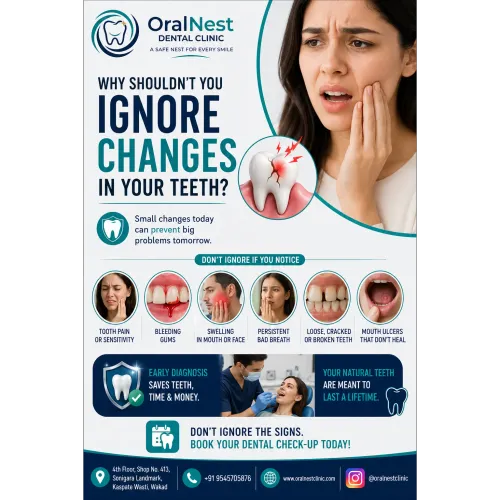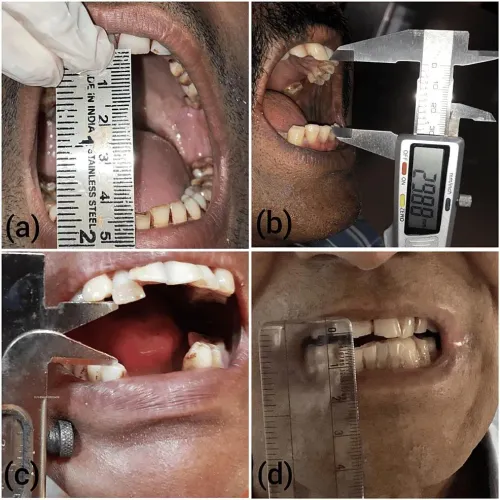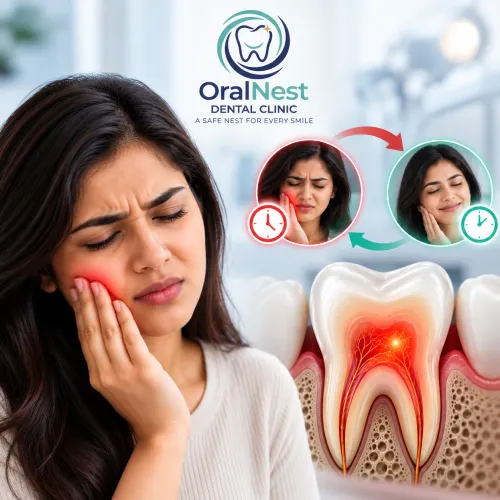
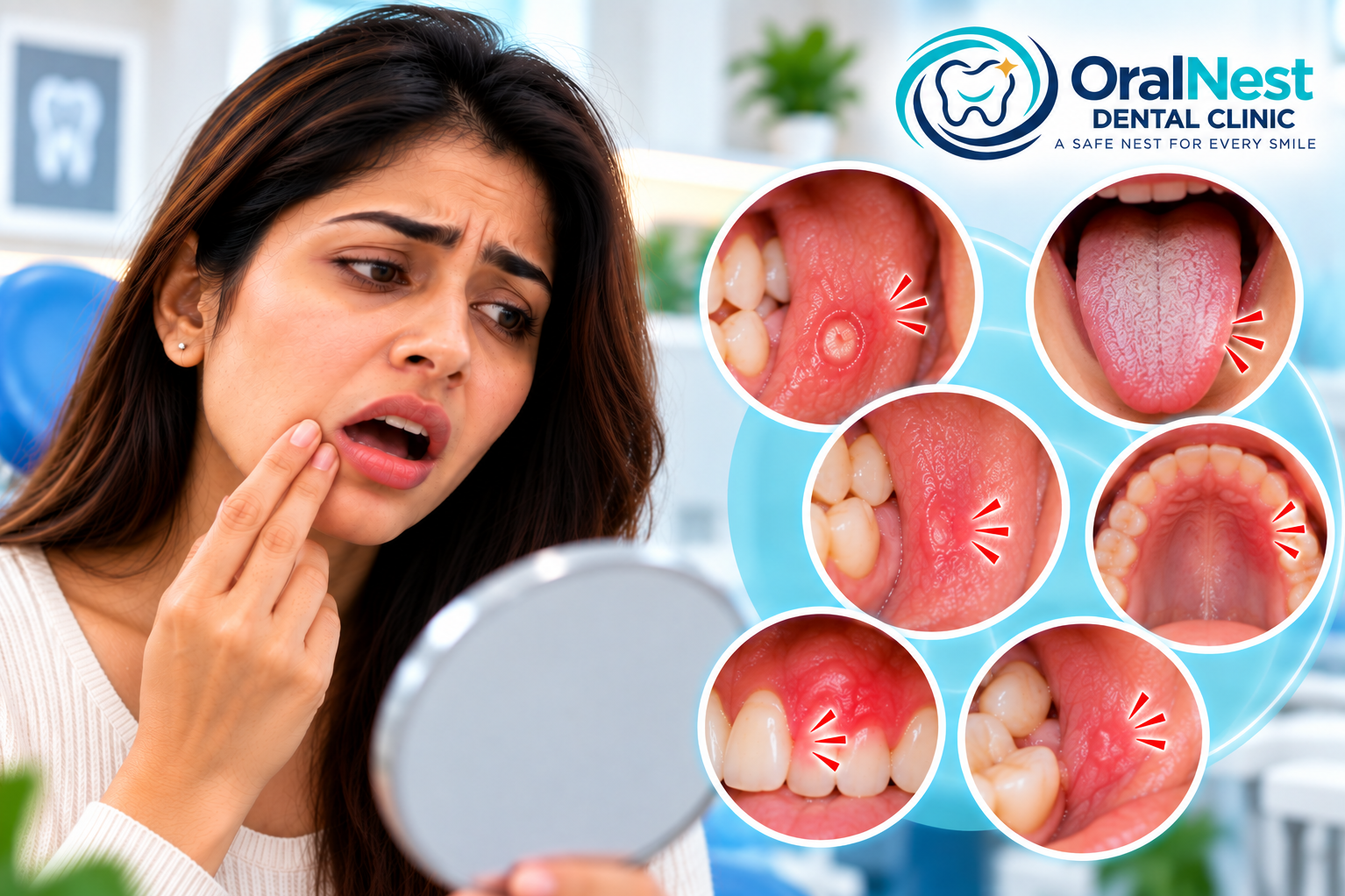
Sometimes the mouth feels sore, irritated or uncomfortable even though the teeth appear completely normal.
There may be no cavity, no obvious broken tooth and no clear dental problem.
This can be confusing.
The natural question is:
“If my teeth are fine, why does my mouth hurt?”
The answer is that oral discomfort does not always originate from the teeth. The tongue, cheeks, gums, palate, salivary glands, oral mucosa, jaw muscles and other structures can all contribute to symptoms.
Understanding where the discomfort is coming from is therefore more important than assuming that every oral symptom is a tooth problem.
Can the mouth hurt without a dental problem?
Yes.
The mouth contains many different tissues and structures, and pain can arise from several sources.
Possible causes include:
oral ulcers
irritation or repeated trauma
dry mouth
fungal or other infections
burning sensations
inflammatory oral conditions
salivary gland problems
jaw muscle or TMJ-related pain
clenching or grinding
nutritional or systemic factors
certain medications
nerve-related pain
Sometimes more than one factor may contribute.
This is why a normal-looking set of teeth does not necessarily explain every oral symptom.
What if my teeth look completely normal?
A routine visual check of the teeth may not reveal the source of discomfort.
For example, soreness may actually originate from the cheek lining, tongue, gums or palate.
Similarly, jaw muscle discomfort can sometimes be experienced as a vague ache around the mouth or face.
A patient may therefore say:
“My teeth are fine, but something inside my mouth doesn't feel right.”
That statement itself is useful clinical information.
The next step is to determine which structure is actually producing the symptom.
Can dry mouth make the entire mouth feel sore?
Yes.
Reduced saliva can change the environment of the mouth.
A person may experience:
dryness
stickiness
burning
soreness
difficulty eating dry foods
altered taste
increased thirst
a coated tongue
Dry mouth can have many possible causes, including medications, mouth breathing, dehydration and reduced salivary function.
If soreness is accompanied by persistent dryness, evaluating the saliva-related symptoms may be more useful than repeatedly treating the discomfort itself.
Can an ulcer cause generalized mouth soreness?
Sometimes.
A single ulcer may create very localized pain.
But multiple ulcers or repeated mucosal irritation can make the mouth feel generally uncomfortable.
The pattern matters.
A short-lived ulcer that heals normally is different from recurrent ulcers that continue appearing without an obvious explanation.
If mouth soreness repeatedly returns, identifying the underlying pattern becomes more important.
Can oral infections cause soreness without tooth pain?
Yes.
Some infections affect the oral mucosa rather than the teeth.
For example, oral candidiasis can cause soreness, burning, altered taste and sensitivity, sometimes with white or red changes in the mouth.
However, not every sore mouth is caused by a fungal infection.
Using antifungal medication simply because the mouth feels sore may therefore treat the wrong problem.
The diagnosis should come first.
Can a burning sensation occur when the mouth looks normal?
Yes.
Some patients describe:
“My mouth looks normal, but it feels like it is burning.”
This can occur in several different situations.
Burning or altered oral sensations may be associated with dryness, nutritional factors, medications, mucosal conditions, hormonal or systemic factors, nerve-related mechanisms and other causes.
Sometimes the examination reveals an obvious cause.
Sometimes the tissues look relatively normal despite significant symptoms.
When symptoms and visible findings do not match, a detailed history becomes particularly important.
Can stress or clenching contribute to mouth discomfort?
They can contribute to certain oral and jaw symptoms.
Clenching and grinding may increase muscle tension and pressure on the teeth and jaw.
Some people also develop cheek or tongue biting habits.
The resulting discomfort may be felt around:
the cheeks
jaw
temples
teeth
tongue
facial muscles
This does not mean that every unexplained mouth symptom is “because of stress.”
Rather, jaw function and oral habits are among the factors that may need to be considered when the examination suggests them.
Can medications cause mouth soreness?
Yes.
Some medications can contribute to:
dry mouth
altered taste
oral irritation
burning sensations
changes in saliva
If symptoms began after starting or changing a medication, that timing can be clinically relevant.
However, prescribed medication should not be stopped independently.
The important step is to mention the medication history during dental or medical evaluation so that possible associations can be considered appropriately.
What if my mouth looks normal but the soreness persists?
This is an important situation.
A normal-looking mouth does not automatically mean that the symptom should be dismissed.
Persistent soreness may require consideration of factors that are not immediately visible.
A clinician may review:
duration of symptoms
exact location
triggers
food sensitivity
dryness
medication history
oral habits
nutritional factors
dental and medical history
jaw and muscle symptoms
Sometimes the most important diagnostic information comes from the history of the symptom, not just what is visible in the mouth.
Can nutritional deficiencies cause oral soreness?
Certain nutritional deficiencies can be associated with oral changes or soreness.
Depending on the situation, clinicians may consider factors such as iron, vitamin B12, folate and other nutritional or systemic issues.
This does not mean that every sore mouth is caused by a deficiency.
Testing is generally considered when the history and clinical findings provide a reason to investigate.
The principle is simple:
Investigate the relevant possibilities rather than assuming one cause.
Can the tongue be responsible for the discomfort?
Yes.
The tongue is highly sensitive and can become uncomfortable because of:
irritation
ulcers
dryness
inflammation
trauma
altered oral environment
certain mucosal conditions
A patient may describe the symptom simply as “mouth pain” even when the tongue is the primary site.
Careful localisation can therefore make a significant difference.
When should unexplained mouth soreness be evaluated?
Consider an oral evaluation if soreness:
persists without a clear explanation
repeatedly returns
is associated with burning
occurs with persistent dryness
is accompanied by white or red patches
causes altered taste
affects eating or swallowing
occurs without visible dental problems
is progressively changing
is associated with unexplained ulcers
does not improve after removing an obvious irritant
Most mouth soreness has a manageable explanation.
But persistent unexplained symptoms deserve an appropriate assessment rather than repeated self-treatment.
What does a diagnosis-focused evaluation look at?
When the teeth do not explain the symptom, the evaluation should not stop at the teeth.
The examination may include:
Teeth — to exclude hidden dental causes.
Gums and oral mucosa — to identify inflammation, ulcers, colour or surface changes.
Tongue — including its surface, borders and underside.
Salivary glands and saliva — when dryness or gland-related symptoms are present.
Jaw and muscles — when clenching, facial pain or TMJ symptoms are relevant.
Medical and medication history — because oral symptoms can sometimes be influenced by broader factors.
The objective is to connect the symptom with the most plausible source.
Why “nothing is wrong” is not always the right conclusion
Sometimes an examination may show no significant abnormality.
That can be reassuring.
But there is an important difference between:
“Nothing concerning was found on examination.”
and
“Your symptoms are not real.”
A patient can experience genuine oral discomfort even when the tissues appear largely normal.
The appropriate response is to understand the symptom, consider relevant causes and determine whether observation, further evaluation or another approach is appropriate.
The mouth is more than the teeth
This is one of the most important concepts in oral diagnosis.
Dentistry is not limited to cavities, fillings and teeth.
The mouth includes:
oral mucosa
tongue
gums
salivary glands
jaw joints
muscles
nerves
supporting tissues
When a symptom does not match an obvious dental problem, these structures need to be considered.
That is why an unexplained sore mouth deserves a broader clinical perspective.
Oral Medicine & Oral Diagnosis at OralNest Dental Clinic | Wakad
At OralNest Dental Clinic | Wakad, unexplained mouth soreness is approached by asking a fundamental question:
“Where is the symptom actually coming from?”
The evaluation considers the teeth as well as the oral mucosa, tongue, salivary environment, jaw-related factors, habits, medications and relevant medical history.
The objective is not to force every symptom into a dental diagnosis.
It is to understand the symptom accurately and decide whether treatment, monitoring or further investigation is appropriate.
For patients from Wakad and nearby areas including Hinjawadi, Tathawade, Punawale, Pimple Saudagar, Pimple Gurav and Rahatani, persistent or unexplained oral symptoms can be evaluated through a structured oral diagnosis.
Clinic Timings
Monday–Saturday: 5:30 PM–9:00 PM
Sunday: 10:00 AM–1:00 PM
Prior appointment is convenient.
At OralNest Dental Clinic | Wakad
Understand First. Diagnose Carefully. Decide With Clarity.
Keywords