Dental Implants
Description
Dental Implants in Wakad & Pimple Gurav, Pune | OralNest Dental Clinic
Are you missing one or more teeth and wondering whether dental implants are the right solution for you? Perhaps you have difficulty chewing, feel conscious about a visible gap, or are concerned about the effect of a missing tooth on your remaining teeth. Dental implants are one option for replacing missing teeth, but their suitability depends on your bone condition, gum health, medical history, bite and long-term treatment goals. Understanding these factors before proceeding is an important part of making the right decision.
At OralNest Dental Clinic, patients seeking dental implants in Wakad and Pimple Gurav, Pune, can receive an assessment of their missing teeth, oral health and restorative requirements. Dr. Ashutosh Dighe (BDS, MDS – Oral Medicine & Maxillofacial Radiology, PhD Scholar, Fellowship in Contemporary Endodontics, Certified Endodontist) evaluates relevant clinical findings and helps patients understand the diagnostic considerations, treatment planning requirements and factors that influence the choice of tooth replacement.
1) When Should You Consider Dental Implants?
Dental implants may be considered when you have lost a tooth because of decay, gum disease, trauma or another dental condition. They may also be an option when several teeth are missing or when you want to explore alternatives to a removable denture or conventional dental bridge.
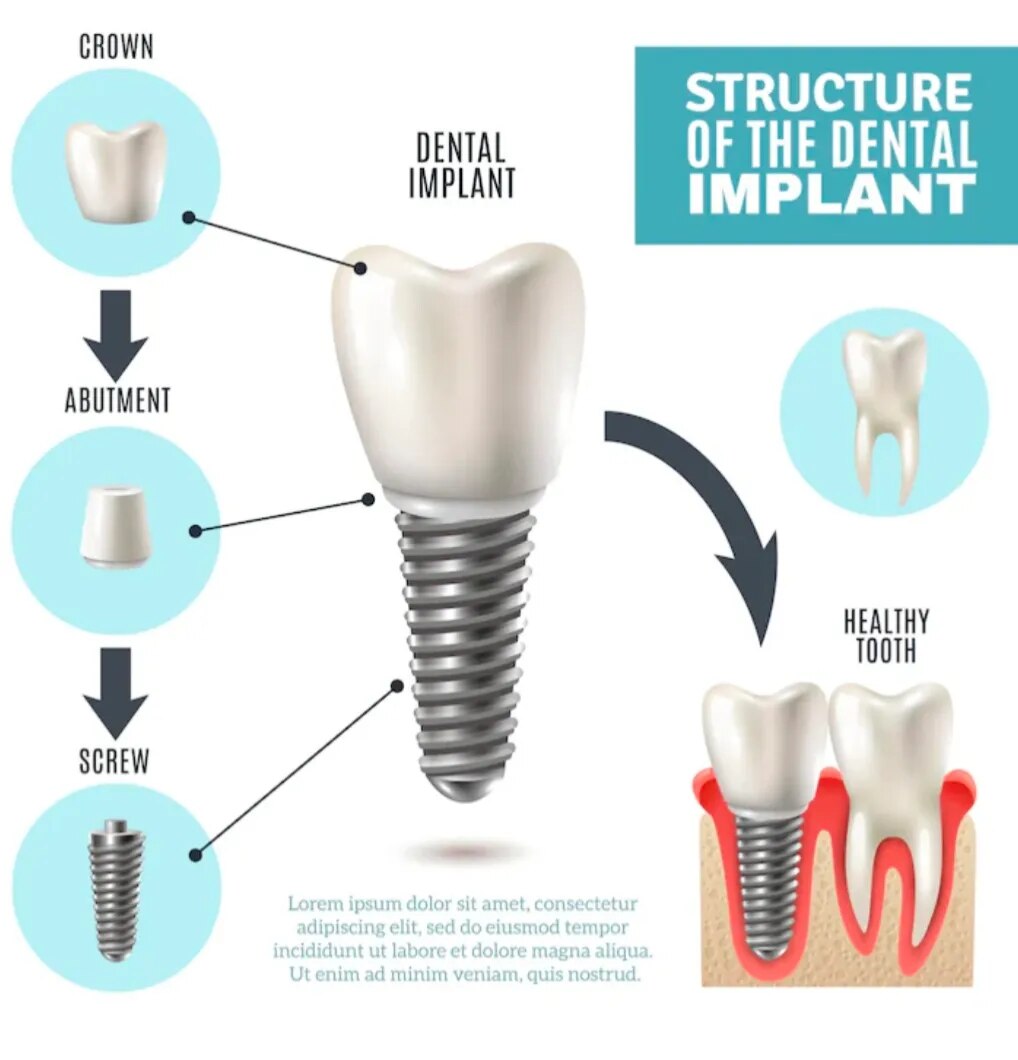
A dental implant is placed in the jawbone and serves as support for a replacement tooth, bridge or other suitable restoration. Unlike a conventional tooth-supported bridge, an implant does not ordinarily require the preparation of adjacent natural teeth for support. However, implants are not automatically the best choice for every patient. A bridge, removable denture or another restorative approach may be more appropriate depending on the condition of your mouth, treatment requirements, preferences and budget.
Replacing a missing tooth involves more than filling a visible gap. The position of the missing tooth, the condition of neighbouring teeth, available bone, gum health and bite forces all influence the treatment plan. An individual assessment helps establish which options are clinically suitable.
2) What Happens During a Dental Implant Consultation?
A dental implant consultation focuses on determining whether implant treatment is appropriate and what preparation may be required before placement. The assessment may include your dental and medical history, examination of the missing-tooth area, gum health, bite relationships and the condition of neighbouring teeth.
Depending on the clinical findings, dental X-rays or three-dimensional imaging such as CBCT may be recommended to evaluate bone dimensions and important anatomical structures. Additional investigations are advised only when clinically indicated.
The treatment plan may cover implant placement, the healing period, the type of final restoration and any preparatory procedures that may be necessary. If bone augmentation, gum treatment or extraction of a remaining tooth is required, these factors can influence the sequence, duration and overall cost of treatment.
Patients should also understand that implant placement and attachment of the final tooth do not always happen on the same day. The timing depends on the clinical situation, initial stability, bone condition, healing and whether additional procedures are needed.
3) How Do You Know Whether Dental Implants Are Right for You?
The suitability of dental implants depends on several factors, including available bone, healthy supporting tissues, oral hygiene, smoking habits, certain medical conditions and the ability to maintain regular follow-up care. Some patients may require treatment for gum disease or other oral health problems before implant placement. When bone volume is insufficient, additional procedures may sometimes be considered.
A missing tooth does not automatically mean that an implant is necessary, and an implant is not suitable in every situation. A conventional bridge or removable prosthesis may provide a reasonable alternative. The advantages, limitations, treatment duration, maintenance requirements and financial implications of each option should be discussed before a decision is made.
Long-term success also depends on what happens after placement. Implants require regular cleaning, professional reviews and attention to the surrounding gums. Although an implant itself cannot develop tooth decay, the tissues around it can become inflamed or affected by disease. Appropriate maintenance is therefore essential.
A carefully planned approach considers the entire treatment journey—from evaluating the missing tooth and supporting bone to restoring chewing function and maintaining the result over time.
Dental Implants in Wakad & Pimple Gurav
OralNest Dental Clinic welcomes patients from Wakad, Pimple Gurav, Rahatani, Pimple Saudagar, Hinjawadi, Baner, Balewadi, Tathawade and nearby Pimpri-Chinchwad areas who want to explore dental implant treatment for missing teeth.
Whether you have lost a single tooth, have several missing teeth, are dissatisfied with a removable denture or have been advised to undergo implant treatment elsewhere, a personalised consultation can help clarify your suitability, the available alternatives and the investigations required before treatment planning.
Frequently Asked Questions
1) Are dental implants suitable for everyone?
No. Suitability depends on bone availability, gum health, medical history, oral hygiene and other individual factors. Some patients may need preparatory treatment, while others may be better suited to alternative tooth-replacement options.
2) Is dental implant treatment painful?
The procedure is generally performed with appropriate local anaesthesia. Some discomfort, swelling or tenderness may occur afterwards, and the degree varies between patients and procedures. Your dentist can explain the expected recovery and appropriate aftercare for your situation.
3) How long does dental implant treatment take?
The timeline varies according to bone condition, healing, implant stability and whether procedures such as bone augmentation are required. Some cases may progress relatively quickly, while others need several months before the final restoration can be placed.
4) What if I do not have enough bone for a dental implant?
Insufficient bone does not always rule out implant treatment. Depending on the location and extent of the deficiency, bone augmentation or another preparatory procedure may be considered. A clinical examination and appropriate imaging help determine the available options.
5) How much do dental implants cost in Wakad and Pimple Gurav, Pune?
The cost depends on the number of implants, the type of final restoration, bone condition, additional procedures, materials and overall treatment complexity. A personalised treatment plan is necessary to understand the complete cost rather than comparing implant prices without considering what each plan includes.
At OralNest Dental Clinic, dental implant consultation focuses on understanding your missing-tooth problem, evaluating the factors that influence implant suitability and explaining the available tooth-replacement options. Before committing to treatment, take the opportunity to understand the proposed procedure, expected timeline, potential limitations and long-term maintenance requirements. An informed decision should be based on your individual clinical condition, not simply on the promise of replacing a missing tooth.