Dynasty Society
08048033422
Braces & Orthodontic Treatment service image
Braces & Orthodontic Treatment

Braces & Orthodontic Treatment in Wakad & Pimple Gurav, Pune | OralNest Dental Clinic Are your teeth crowded, overlapping, unevenly spaced or positioned in a way that affects your bite? Do you feel conscious about gaps between your teeth or notice that your upper and lower teeth do not meet comfortably? Braces and orthodontic treatment can help correct tooth alignment and certain bite problems, improving dental function and smile appearance through carefully planned tooth movement. At OralNest Dental Clinic, patients seeking braces and orthodontic treatment in Wakad and Pimple Gurav, Pune, can receive an assessment of their tooth alignment, bite and overall oral health to understand their treatment needs. Dr. Ashutosh Dighe (BDS, MDS – Oral Medicine & Maxillofacial Radiology, PhD Scholar, Fellowship in Contemporary Endodontics, Certified Endodontist) evaluates relevant clinical findings and helps patients understand the factors that influence orthodontic treatment planning and the need for further specialist assessment when indicated. 1) When Should You Consider Braces & Orthodontic Treatment? Orthodontic assessment may be appropriate if you have crowded teeth, gaps, rotated teeth, an overbite, an underbite, a crossbite or difficulty bringing your teeth together comfortably. Some patients seek treatment because their teeth are difficult to clean properly, while others are concerned about smile appearance or the long-term effects of an uneven bite. Orthodontic problems can occur in children, teenagers and adults. However, the ideal timing and treatment approach depend on dental development, jaw relationships, oral health and the nature of the alignment problem. An assessment can help determine whether treatment is advisable now or whether monitoring and later intervention would be more appropriate. 2) What Happens During a Braces & Orthodontic Consultation? The assessment may include an examination of tooth position, spacing, crowding, bite relationships, gum health and existing dental problems. Your dental history, treatment expectations and concerns about appearance, comfort and maintenance are also considered. Depending on the findings, photographs, dental impressions or digital scans, and appropriate radiographs may be recommended to support treatment planning. Options may include conventional fixed braces, other suitable orthodontic appliances or clear aligners where clinically appropriate. The choice depends on the complexity of tooth movement required, bite correction needs, patient suitability and treatment goals. Before treatment begins, it is important to understand the expected duration, appointment schedule, oral hygiene requirements, possible discomfort, limitations and retention needs after active treatment. More complex cases may require assessment by an orthodontic specialist. 3) How Do You Choose the Right Orthodontic Treatment? The most suitable orthodontic approach depends on more than whether you prefer visible braces or a less noticeable option. The type and severity of misalignment, the relationship between the jaws, gum and bone health, available space and the movements required all influence treatment selection. Fixed braces can address a broad range of alignment problems, while clear aligners may be suitable for selected cases when used as planned. Neither option is automatically appropriate for everyone. Some cases require additional procedures or specialist planning, and treatment outcomes depend on individual clinical factors and adherence to instructions. Orthodontic treatment also involves more than straightening visible teeth. Proper planning considers the bite, oral hygiene, stability and long-term retention. Following treatment, retainers are generally needed to help maintain tooth positions because teeth can shift over time. Understanding these factors before starting can help you make a realistic, informed decision. Braces & Orthodontic Treatment in Wakad & Pimple Gurav OralNest Dental Clinic welcomes patients from Wakad, Pimple Gurav, Rahatani, Pimple Saudagar, Hinjawadi, Baner, Balewadi, Tathawade and nearby Pimpri-Chinchwad areas seeking guidance about crooked teeth, gaps, bite irregularities and orthodontic treatment options. Whether you are considering braces for your child, exploring orthodontic treatment as an adult or looking for advice about crowded teeth and bite alignment, a personalised consultation can help clarify the nature of the problem and the next steps appropriate for your condition. Frequently Asked Questions 1) At what age can someone start braces treatment? Orthodontic assessment can begin during childhood when appropriate, but the ideal treatment timing depends on dental development and the type of problem. Teenagers and adults can also benefit from orthodontic treatment when their oral health and clinical condition permit it. 2) Are braces better than clear aligners? Neither option is universally better. Fixed braces and clear aligners have different indications and limitations. The appropriate choice depends on the complexity of the case, required tooth movements, suitability and the patient's ability to follow treatment instructions. 3) How long does orthodontic treatment take? Treatment duration varies according to the severity of misalignment, the movements required, biological response and adherence to appointments and instructions. An individual estimate can be provided after appropriate assessment and treatment planning. 4) Do braces cause pain? Some pressure, tenderness or temporary discomfort may occur after braces are fitted or adjusted. The intensity varies between individuals and generally improves as the mouth adapts. Significant or persistent pain should be assessed professionally. 5) Will my teeth become crooked again after braces? Teeth can shift after orthodontic treatment, which is why retainers are usually recommended. Wearing retainers according to professional instructions and attending follow-up appointments helps maintain the results. At OralNest Dental Clinic, a braces and orthodontic consultation focuses on understanding your alignment concerns, evaluating your bite and explaining the treatment approaches that may be suitable for you. Whether the goal is to improve crowded teeth, close gaps or address bite irregularities, informed planning helps balance appearance, function, oral health and long-term stability before treatment begins.

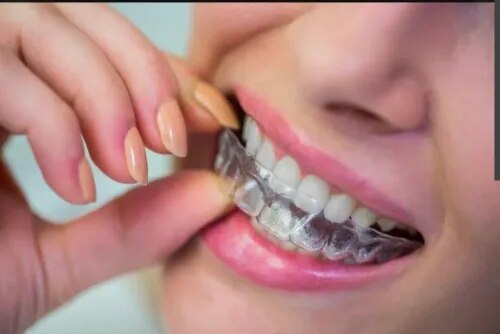
Invisalign® / Clear Aligners Treatment  service image
Invisalign® / Clear Aligners Treatment

Invisalign® / Clear Aligners Treatment in Wakad & Pimple Gurav, Pune | OralNest Dental Clinic Are your teeth crowded, overlapping or unevenly spaced? Do you hesitate to smile because of gaps between your teeth, or are you looking for a way to improve tooth alignment without conventional metal braces? Invisalign® and other clear aligner systems use a series of custom-made, transparent trays to move teeth gradually according to an individually planned treatment sequence. However, clear aligners are not suitable for every orthodontic problem, and the right choice depends on your tooth alignment, bite, oral health and treatment goals. At OralNest Dental Clinic, patients considering Invisalign® or clear aligners in Wakad and Pimple Gurav, Pune, can receive an assessment of their orthodontic concerns and the factors influencing treatment suitability. Dr. Ashutosh Dighe (BDS, MDS – Oral Medicine & Maxillofacial Radiology, PhD Scholar, Fellowship in Contemporary Endodontics, Certified Endodontist) evaluates relevant clinical findings and helps patients understand the diagnostic considerations, treatment requirements and need for orthodontic specialist assessment where indicated. 1) When Should You Consider Invisalign® / Clear Aligners Treatment? Clear aligner treatment may be considered if you have mild to moderate crowding, gaps between teeth, selected alignment irregularities or certain bite problems. Adults and teenagers who want a less noticeable alternative to conventional braces may also explore this option, provided their dental development and clinical condition are appropriate. However, the suitability of clear aligners depends on the movements required. Some complex tooth movements, significant bite discrepancies and cases requiring substantial control of tooth position may be better managed with fixed braces or another orthodontic approach. An assessment helps establish whether clear aligners can reasonably address your specific concern rather than choosing them solely because they are transparent. 2) What Happens During an Invisalign® / Clear Aligners Consultation? The consultation may include an assessment of tooth alignment, spacing, bite relationships, gum health, existing dental restorations and overall oral condition. Your treatment expectations, lifestyle and ability to follow aligner-wearing instructions are also important considerations. Depending on the findings, photographs, digital scans or dental impressions and appropriate radiographs may be recommended to support treatment planning. If aligners are suitable, a planned series of trays is used to guide teeth through gradual movements. Attachments bonded to selected teeth, interproximal reduction or other additional measures may sometimes be required to achieve the intended movements. Clear aligners generally need to be worn for approximately 20–22 hours per day, or according to the prescribed system and treatment plan, and removed for eating, drinking anything other than water and cleaning your teeth. Regular reviews help assess progress and determine whether adjustments or additional aligners are necessary. Before starting, it is important to understand the expected treatment duration, costs, limitations, oral hygiene requirements and retention plan after active treatment. 3) Are Invisalign® / Clear Aligners Better Than Braces? Neither treatment is universally better. Clear aligners offer a discreet appearance and can be removed for meals and oral hygiene. However, their success depends substantially on consistent wear and suitability for the required tooth movements. Fixed braces remain useful for a wide range of orthodontic problems and may offer better control in certain complex cases. Clear aligners may be appropriate for selected alignment and bite concerns, but some patients may require additional techniques, refinements or a different treatment approach. Treatment planning should consider the final bite, stability, gum health and long-term maintenance rather than appearance alone. Teeth can shift after either aligner treatment or braces, so retainers are generally required after active treatment to help maintain the result. A personalised assessment helps you understand the advantages, limitations and responsibilities associated with each option before deciding. Invisalign® / Clear Aligners Treatment in Wakad & Pimple Gurav OralNest Dental Clinic welcomes patients from Wakad, Pimple Gurav, Rahatani, Pimple Saudagar, Hinjawadi, Baner, Balewadi, Tathawade and nearby Pimpri-Chinchwad areas who want guidance about clear aligners and orthodontic treatment. Whether you are exploring Invisalign® for crowded teeth, looking to close gaps or comparing clear aligners with conventional braces, a personalised consultation can help clarify your suitability, the likely treatment requirements and the next steps involved. The aim is to help you make an informed decision based on your dental condition, lifestyle and orthodontic needs. Frequently Asked Questions 1) What is the difference between Invisalign® and clear aligners? Invisalign® is a specific branded clear aligner system, while clear aligners is the broader term for transparent orthodontic trays offered by different manufacturers. Suitability depends on the clinical case, treatment planning and the system selected. 2) How many hours a day should I wear clear aligners? Many treatment plans require aligners to be worn for approximately 20–22 hours daily. The exact instructions depend on the prescribed system and your individual plan. Inconsistent wear can affect progress and treatment duration. 3) Can clear aligners correct crowded teeth and gaps? They can address many cases of crowding and spacing, but the suitability and achievable movements depend on their severity and the overall bite. Some cases may require fixed braces or additional orthodontic procedures. 4) How long does Invisalign® or clear aligner treatment take? Treatment duration varies with the complexity of tooth movements, biological response, consistency of wear and the need for refinements. An individual estimate can be discussed after an appropriate assessment. 5) Will my teeth move again after clear aligner treatment? Teeth can shift after orthodontic treatment. Retainers are generally necessary to help maintain the corrected alignment, and they should be worn according to professional instructions. At OralNest Dental Clinic, Invisalign® and clear aligner consultation focuses on understanding your alignment concerns, assessing whether transparent trays are suitable and explaining the treatment commitments involved. By considering tooth movement, bite function, oral health and long-term retention together, the aim is to help you choose an orthodontic approach that fits your individual needs and expectations.

Subcategory Tags

Best Doctor For Root Canal Treatment In WakadRCT Dentist in WakadRoot Canal Dentist Near MeRoot Canal Treatment Specialist In WakadRoot Canal Treatment in Wakad

Contact Us

Live Chat

Connect over WhatsApp to resolve your queries realtime.