Dynasty Society
08048033422
Tooth Extraction  service image
Tooth Extraction

Description Tooth Extraction in Wakad & Pimple Gurav, Pune | OralNest Dental Clinic A severely damaged tooth, persistent toothache, advanced tooth decay or a problematic wisdom tooth can leave you wondering whether the tooth can still be saved. Tooth extraction may be recommended when a tooth cannot be restored predictably, when infection or structural damage makes preservation unsuitable, or when removal is necessary for another clinical reason. However, extraction is not automatically the first choice simply because a tooth is painful or damaged. At OralNest Dental Clinic, tooth extraction is planned after evaluating the cause of the problem, the condition of the tooth, the surrounding tissues and the available treatment alternatives. Dr. Ashutosh Dighe, BDS, MDS – Oral Medicine & Maxillofacial Radiology, PhD Scholar, Fellowship in Contemporary Endodontics, Certified Endodontist, brings a diagnostic and tooth-preserving perspective to treatment planning, helping patients understand when extraction may be necessary and when other options may be considered. 1) When Is Tooth Extraction Necessary? Tooth extraction may be advised when keeping a tooth is no longer a predictable or appropriate treatment option. Common reasons include: - Extensive tooth decay that leaves insufficient healthy structure for restoration - A fractured tooth that cannot be restored adequately - Advanced gum disease causing significant loss of supporting bone - A tooth with persistent infection that cannot be managed predictably - Certain impacted or problematic wisdom teeth - A retained baby tooth or another tooth interfering with appropriate dental treatment - Selected orthodontic or other treatment plans where extraction is clinically indicated A painful tooth does not always need to be removed. Depending on the diagnosis, a filling, dental crown, Root Canal Treatment or another procedure may preserve it. The decision should be based on the tooth's restorability, supporting tissues, prognosis and the patient's individual circumstances. 2) What Happens During a Tooth Extraction Consultation? Before recommending extraction, the dentist reviews your symptoms, dental history and any previous treatment. The affected tooth and surrounding tissues are examined, and dental X-rays may be advised when needed to assess the roots, surrounding bone, nearby anatomical structures or the extent of the problem. The procedure depends on the tooth's position, root anatomy, degree of damage and accessibility. A straightforward extraction may be possible when the tooth is accessible, while a broken, deeply positioned or impacted tooth may require a more involved surgical approach. Local anaesthesia is commonly used to numb the area during extraction. You may feel pressure or movement, but you should tell the dentist if you experience pain during the procedure. Your medical history, current medications and relevant health conditions should be discussed beforehand because they can influence treatment planning and aftercare. 3) What Should You Know About Recovery and Tooth Replacement? After extraction, a blood clot forms in the socket and supports normal healing. Following the instructions provided by your dentist is important. This generally includes avoiding vigorous rinsing immediately after the procedure, not disturbing the socket, choosing suitable foods during early recovery and maintaining oral hygiene carefully around the area. Some discomfort and swelling can occur, depending on the complexity of the extraction. Increasing pain, persistent bleeding, fever, worsening swelling or difficulty swallowing requires prompt professional advice. Difficulty breathing or swallowing is a medical emergency. If a permanent tooth is removed, replacement may need to be discussed depending on its location, function, bite and the surrounding teeth. Options can include a dental implant, bridge or removable partial denture. Not every extracted tooth requires replacement in the same way, and the timing depends on healing, bone conditions and the proposed treatment. Planning ahead helps patients understand the longer-term implications of extraction. Tooth Extraction in Wakad & Pimple Gurav, Pune Patients searching for tooth extraction in Wakad or Pimple Gurav, Pune, may be experiencing severe tooth pain, a broken tooth, advanced decay, swelling around a tooth or discomfort from a wisdom tooth. A timely examination helps establish whether extraction is necessary and whether the procedure is straightforward or requires additional planning. OralNest Dental Clinic serves patients from Wakad, Pimple Gurav, Rahatani, Pimple Saudagar, Hinjawadi, Baner, Balewadi, Tathawade and nearby areas of Pimpri-Chinchwad. Whether you need an assessment for a damaged tooth, removal of a tooth affected by infection or advice about replacing a missing tooth, the recommended approach depends on the clinical findings and your overall oral health. ## Frequently Asked Questions About Tooth Extraction 1. Does every painful tooth need extraction? No. Tooth pain can result from decay, pulp inflammation, infection, cracks or gum problems. Some teeth can be treated with fillings, crowns or Root Canal Treatment. Extraction is considered when removal is clinically appropriate. 2. Is tooth extraction painful? Local anaesthesia is generally used to numb the area during the procedure. Pressure may be felt, but significant pain should be communicated to the dentist so that it can be assessed and managed. 3. How long does it take to recover after tooth extraction? Recovery varies according to the tooth, the complexity of the procedure and individual healing. Initial discomfort often improves over several days, while the socket and underlying bone take longer to heal completely. Follow the specific aftercare instructions provided. 4. Should I replace a tooth after extraction? Replacement depends on which tooth was removed, its role in chewing, the bite and the condition of neighbouring teeth. Implants, bridges and removable dentures may be considered where appropriate. 5. What should I do if my toothache is accompanied by facial swelling? Seek urgent dental assessment, particularly if the swelling is increasing or accompanied by fever. Difficulty swallowing or breathing requires immediate emergency medical care. Tooth extraction is an important treatment decision that should consider both the immediate problem and your future oral health. At OralNest Dental Clinic, the emphasis is on determining whether a tooth can be preserved, explaining why removal may be necessary and discussing suitable aftercare and replacement options when indicated.

Dental Cleaning & Polishing  service image
Dental Cleaning & Polishing

Dental Cleaning & Polishing in Wakad & Pimple Gurav, Pune | OralNest Dental Clinic Even with regular brushing and flossing, plaque can accumulate in areas that are difficult to clean. When plaque hardens into tartar, it cannot be removed effectively with a toothbrush alone. Professional dental cleaning helps remove accumulated plaque, tartar and certain surface deposits, supporting healthier gums and better oral hygiene. It can also help address some causes of gum bleeding, persistent bad breath and a rough feeling around the teeth. At OralNest Dental Clinic, Dental Cleaning & Polishing is recommended according to the condition of your teeth and gums rather than as an identical procedure for everyone. Dr. Ashutosh Dighe, BDS, MDS – Oral Medicine & Maxillofacial Radiology, PhD Scholar, Fellowship in Contemporary Endodontics, Certified Endodontist, follows a clinically guided approach to oral assessment, helping patients understand whether routine cleaning is sufficient or whether additional gum evaluation and treatment may be required. 1) When Do You Need Professional Dental Cleaning? Professional cleaning may be helpful if you notice yellow or brown deposits near the gumline, bleeding while brushing, persistent bad breath or a rough surface on your teeth. Even without noticeable symptoms, a dental examination can identify plaque accumulation, tartar and early signs of gum inflammation. Common reasons to consider a dental cleaning include: - Tartar deposits around the teeth or gumline - Gums that bleed during brushing or flossing - Persistent bad breath despite regular oral hygiene - Plaque accumulation in difficult-to-reach areas - Surface stains associated with foods, beverages or tobacco - A need for preventive oral hygiene care Bleeding gums should not automatically be considered normal. They may indicate gum inflammation or periodontal disease, and persistent bleeding deserves assessment. The recommended cleaning interval depends on your oral hygiene, gum health, tartar accumulation and individual risk factors. 2) What Happens During Dental Cleaning & Polishing? Professional dental cleaning commonly involves scaling, which removes hardened deposits from the teeth and, when indicated, areas around or below the gumline. The procedure may use appropriate manual or powered instruments depending on the amount and location of the deposits. Polishing may be performed when suitable to remove certain surface stains and smooth the cleaned tooth surfaces. However, polishing does not replace scaling when tartar is present, and it does not change the natural colour of the teeth in the same way as professional teeth whitening. Some patients may experience temporary sensitivity during or after cleaning, particularly if the gums have receded or the teeth were already sensitive. Your dentist can explain what to expect based on your oral condition. The objective is to remove deposits safely while helping you maintain effective daily oral hygiene. 3) Is Routine Cleaning Enough for Bleeding Gums and Gum Disease? Routine cleaning can help manage plaque and tartar above the gumline, but it may not be sufficient when periodontal disease has developed beneath the gums. In such cases, a more detailed gum assessment may be required to evaluate inflammation, gum pockets, attachment loss and supporting bone. Depending on the findings, treatment may involve professional cleaning, deeper periodontal cleaning or other gum care. These procedures differ in purpose and scope, so the appropriate treatment should be determined after examination rather than assumed in advance. Following cleaning, regular brushing with a fluoride toothpaste, cleaning between the teeth and attending dental reviews at an appropriate interval help control plaque accumulation. Professional cleaning supports oral health, but maintaining the results also depends on consistent home care and any recommended follow-up treatment. Dental Cleaning & Polishing in Wakad & Pimple Gurav, Pune Patients looking for Dental Cleaning & Polishing in Wakad or Pimple Gurav, Pune, may be concerned about tartar, bleeding gums, surface stains or persistent bad breath. A dental examination can help determine whether routine scaling is appropriate or whether additional gum assessment is needed. OralNest Dental Clinic serves patients from Wakad, Pimple Gurav, Rahatani, Pimple Saudagar, Hinjawadi, Baner, Balewadi, Tathawade and nearby areas of Pimpri-Chinchwad. Whether you need preventive cleaning or an evaluation of recurring gum bleeding, the recommended approach depends on your gum health, deposit levels and individual oral hygiene needs. Frequently Asked Questions About Dental Cleaning & Polishing 1. How often should I get professional dental cleaning? The appropriate interval varies according to tartar accumulation, gum health, oral hygiene and periodontal risk. Your dentist can recommend a schedule based on your examination rather than using the same interval for every patient. 2. Does dental cleaning damage the enamel? Professional scaling performed appropriately is intended to remove plaque and tartar without unnecessarily damaging healthy tooth structure. Temporary sensitivity can occur, but cleaning does not ordinarily remove healthy enamel when carried out correctly. 3. Will dental cleaning stop my gums from bleeding? If bleeding is caused by plaque-related gum inflammation, professional cleaning and consistent home care may help improve gum health. Persistent bleeding may indicate a more advanced condition or another cause and should be assessed. 4. Does polishing make teeth naturally whiter? Polishing can remove some external stains, making the teeth look cleaner. It does not change the underlying natural tooth shade like a whitening procedure. 5. Is routine cleaning enough if I have heavy tartar or gum disease? Not always. Heavy deposits or signs of periodontal disease may require a more detailed gum examination and additional treatment. The appropriate procedure depends on the condition of the gums and supporting tissues. Dental Cleaning & Polishing is an important part of preventive oral care, but the right approach depends on what is happening around your teeth and gums. At OralNest Dental Clinic, the focus is on removing deposits when indicated, identifying gum concerns and helping patients maintain healthier oral hygiene through appropriate professional care and practical home-care guidance.

Gum Disease Treatment service image
Gum Disease Treatment

Description Gum Disease Treatment in Wakad & Pimple Gurav, Pune | OralNest Dental Clinic Bleeding while brushing, swollen gums, persistent bad breath or gums that appear to be pulling away from the teeth may indicate gum disease. These symptoms are often overlooked because they may develop gradually without severe pain. However, gum disease can progress from early inflammation to damage affecting the tissues and bone that support the teeth. Recognising the problem early can help guide appropriate treatment and protect long-term oral health. At OralNest Dental Clinic, Gum Disease Treatment begins with evaluating the condition of the gums, the amount of plaque and tartar present, and whether the supporting tissues have been affected. Dr. Ashutosh Dighe, BDS, MDS – Oral Medicine & Maxillofacial Radiology, PhD Scholar, Fellowship in Contemporary Endodontics, Certified Endodontist, follows a clinically guided approach to identifying oral health concerns and helping patients understand the appropriate next steps for their individual condition. 1) What Are the Early Signs of Gum Disease? Healthy gums generally do not bleed regularly during brushing or flossing. When plaque accumulates along the gumline, the gums may become inflamed, tender or swollen. If the condition progresses, the supporting tissues and bone around the teeth may become damaged. Common warning signs include: - Bleeding gums while brushing or eating - Red, swollen or tender gums - Persistent bad breath or an unpleasant taste - Gum recession that makes teeth appear longer - Food frequently getting trapped around the teeth - Teeth that feel loose or appear to be shifting - Discomfort while chewing or changes in the way teeth meet Early gum inflammation, known as gingivitis, may improve with appropriate professional cleaning and consistent oral hygiene. Periodontitis is a more advanced condition involving damage to the supporting tissues and bone. Because symptoms do not always reflect the severity of the disease, a proper periodontal examination is important. 2) How Is Gum Disease Diagnosed and Treated? The appropriate treatment depends on the type and severity of gum disease. During an assessment, the dentist examines the gums, checks for plaque and tartar deposits, evaluates gum pockets where indicated and considers whether additional investigations or dental X-rays are needed to assess supporting bone. For gingivitis, treatment may involve professional scaling, improved brushing technique and daily cleaning between the teeth. When periodontitis is present, deeper periodontal cleaning, also known as scaling and root planing, may be recommended to remove deposits from affected areas below the gumline. Some patients may require further periodontal treatment or referral to a periodontist. Treatment is not identical for every patient. The number of visits and the need for additional procedures depend on the extent of the disease, the response to initial treatment and individual risk factors. The objective is to control inflammation, reduce harmful deposits and help preserve the supporting structures of the teeth. 3) Can Gum Disease Cause Loose Teeth or Tooth Loss? Advanced gum disease can damage the tissues and bone that hold teeth in place. As this support deteriorates, teeth may become mobile, spaces may develop between them or chewing may become uncomfortable. Gum disease can also progress without obvious pain, which is one reason regular dental assessment matters. Treatment can help control the disease and reduce the risk of further damage, but bone and tissue lost through advanced periodontitis may not fully regenerate with routine cleaning alone. The outcome depends on the extent of damage, the response to treatment, oral hygiene and other contributing factors. After active treatment, periodontal maintenance and regular reviews are important because gum disease can recur. Patients may also need guidance on smoking or tobacco use, diabetes-related risk, plaque control and other factors that influence gum health. If teeth are already loose, an examination can help determine whether they can be maintained or whether additional treatment is necessary. Gum Disease Treatment in Wakad & Pimple Gurav, Pune Patients searching for Gum Disease Treatment in Wakad or Pimple Gurav, Pune, may be experiencing bleeding gums, gum recession, persistent bad breath or concerns about loose teeth. An assessment can help distinguish early gum inflammation from more advanced periodontal disease and establish an appropriate treatment plan. OralNest Dental Clinic serves patients from Wakad, Pimple Gurav, Rahatani, Pimple Saudagar, Hinjawadi, Baner, Balewadi, Tathawade and nearby areas of Pimpri-Chinchwad. Whether you need an evaluation for bleeding gums, professional cleaning or assessment of possible periodontal damage, the recommended care depends on the condition of your gums and supporting tissues. Frequently Asked Questions About Gum Disease Treatment 1. Can bleeding gums be a sign of gum disease? Yes. Bleeding gums can indicate inflammation caused by plaque accumulation, although other causes are possible. Persistent or recurring bleeding should be evaluated rather than ignored. 2. Can gum disease be treated without surgery? Many cases can be managed initially with professional cleaning, deeper periodontal cleaning when indicated, improved home care and regular maintenance. Advanced cases may require additional treatment depending on the damage and response to initial care. 3. Can gum disease cause bad breath? Yes. Plaque, tartar and inflammation associated with gum disease can contribute to persistent bad breath. However, bad breath can also have other oral or medical causes, so the underlying reason should be assessed. 4. Can loose teeth become firm again after gum treatment? It depends on the cause and extent of the supporting tissue damage. Controlling inflammation may help stabilise some teeth, but significant loss of supporting bone cannot always be reversed. A periodontal assessment is needed to understand the prognosis. 5. How can I prevent gum disease from returning? Brush twice daily with fluoride toothpaste, clean between your teeth every day, avoid tobacco and attend dental reviews at the recommended intervals. Patients who have had periodontitis may need more frequent periodontal maintenance. Gum Disease Treatment is about more than stopping bleeding or removing visible tartar. It involves identifying the extent of the problem, controlling inflammation and protecting the tissues that support your teeth. At OralNest Dental Clinic, the focus is on appropriate assessment, clinically guided treatment and practical maintenance advice to help patients make informed decisions about their long-term gum health.

Bleeding Gums Treatment  service image
Bleeding Gums Treatment

Bleeding Gums Treatment in Wakad & Pimple Gurav, Pune | OralNest Dental Clinic Bleeding gums while brushing, flossing or eating can be an early warning sign that your gums need attention. Many people assume that bleeding occurs because they brush too hard, but recurring bleeding may indicate plaque-related inflammation, tartar accumulation or an underlying gum condition. Although the problem may initially cause little discomfort, ignoring it can allow gum disease to progress. At OralNest Dental Clinic, Bleeding Gums Treatment begins with identifying why the gums are bleeding rather than treating the symptom alone. Dr. Ashutosh Dighe, BDS, MDS – Oral Medicine & Maxillofacial Radiology, PhD Scholar, Fellowship in Contemporary Endodontics, Certified Endodontist, brings a specialist-oriented approach to oral assessment, helping patients understand the possible causes of bleeding and the investigations or treatment that may be appropriate. 1) Why Do Your Gums Bleed While Brushing? The most common cause of bleeding gums is inflammation associated with plaque accumulation along the gumline. When plaque is not removed effectively, the gums may become red, swollen and more likely to bleed. If plaque hardens into tartar, professional cleaning may be necessary. Other possible causes include: - Gingivitis or more advanced gum disease - Tartar deposits around or below the gumline - Brushing technique or toothbrush irritation - Local irritation around a dental restoration - Hormonal changes that affect gum sensitivity - Certain medicines or medical conditions that influence bleeding The cause cannot always be identified from the symptom alone. If your gums bleed repeatedly, even when you brush gently, a dental examination can help determine whether gum inflammation, periodontal disease or another issue requires attention. 2) What Is the Right Treatment for Bleeding Gums? Treatment depends on the cause and severity of the problem. If plaque-related gingivitis is responsible, professional scaling and improved daily oral hygiene may help the gums recover. If tartar or deposits extend below the gumline and periodontal disease is present, deeper periodontal cleaning may be required. During an assessment, the dentist examines the gums, checks for plaque and tartar, evaluates gum pockets when indicated and considers whether additional investigations are needed. Patients may also receive guidance on brushing technique, cleaning between the teeth and maintaining oral hygiene without unnecessarily irritating the gums. Bleeding that continues despite appropriate cleaning and home care requires further evaluation. If the bleeding is unusual, occurs without an obvious trigger or is accompanied by easy bruising or bleeding elsewhere, medical assessment may also be necessary. The aim is to address the underlying cause rather than repeatedly managing the symptom. 3) When Should You Be Concerned About Bleeding Gums? Occasional bleeding can occur for different reasons, but recurring bleeding should not be considered normal. Early gum disease may cause few symptoms beyond bleeding, while advanced periodontal disease can damage the supporting tissues and bone around the teeth. Seek a dental assessment if you notice persistent bleeding, swollen gums, gum recession, ongoing bad breath, pus near the gums or teeth that feel loose. If bleeding is heavy, spontaneous or difficult to stop, seek prompt professional or medical attention, particularly if you take blood-thinning medication or have a condition that affects blood clotting. Early evaluation can help distinguish straightforward gum inflammation from more advanced disease or another cause. Once the reason is identified, the appropriate treatment and maintenance schedule can be planned according to your needs. Bleeding Gums Treatment in Wakad & Pimple Gurav, Pune Patients searching for Bleeding Gums Treatment in Wakad or Pimple Gurav, Pune, may be experiencing blood on their toothbrush, bleeding while flossing, swollen gums or persistent bad breath. A clinical examination can help identify whether plaque accumulation, tartar, gum disease or another condition is contributing to the problem. OralNest Dental Clinic serves patients from Wakad, Pimple Gurav, Rahatani, Pimple Saudagar, Hinjawadi, Baner, Balewadi, Tathawade and nearby areas of Pimpri-Chinchwad. Whether your gums bleed occasionally or the problem has continued for weeks, the appropriate next step is to identify the cause and follow a treatment plan suited to your oral health. Frequently Asked Questions About Bleeding Gums Treatment 1. Is it normal for gums to bleed while brushing? Recurring bleeding is not something to ignore. It commonly occurs with gum inflammation caused by plaque, although brushing irritation and other factors can contribute. A dental assessment can help identify the cause. 2. Should I stop brushing if my gums bleed? Do not abandon oral hygiene. Use a soft-bristled toothbrush and gentle technique, and clean between your teeth carefully. If bleeding persists, arrange a dental examination to determine whether treatment is needed. 3. Can dental scaling stop bleeding gums? Scaling can help when plaque and tartar are contributing to gum inflammation. If periodontal disease is more advanced, additional treatment may be required. Results also depend on consistent home care and appropriate follow-up. 4. How long does it take for bleeding gums to improve? Improvement depends on the cause, severity of inflammation and effectiveness of treatment and home care. If bleeding continues or worsens after appropriate care, the condition should be reassessed. 5. Can bleeding gums indicate a health problem beyond the mouth? Yes. Certain medicines, blood-clotting problems and medical conditions can contribute to bleeding. If bleeding is spontaneous, unusually heavy or accompanied by bruising or bleeding elsewhere, seek medical evaluation as well as appropriate dental advice. Bleeding gums are a symptom worth investigating, not simply a problem to tolerate during brushing. At OralNest Dental Clinic, the focus is on identifying the underlying cause, recommending appropriate gum care and helping patients understand how daily oral hygiene and follow-up can support healthier gums over time.

Sensitive Teeth Consultation service image
Sensitive Teeth Consultation

Sensitive Teeth Consultation in Wakad & Pimple Gurav, Pune | OralNest Dental Clinic Do you experience a sudden, sharp sensation in your teeth when drinking cold water, eating ice cream, having hot beverages or consuming something sweet? Tooth sensitivity can make ordinary eating and drinking uncomfortable, but the cause is not always the same. It may be associated with exposed dentine, gum recession, enamel wear, tooth decay, a cracked tooth or an underlying problem involving the dental pulp. At OralNest Dental Clinic, a Sensitive Teeth Consultation focuses on identifying why your teeth react to certain triggers rather than simply recommending a sensitivity toothpaste. Dr. Ashutosh Dighe, BDS, MDS – Oral Medicine & Maxillofacial Radiology, PhD Scholar, Fellowship in Contemporary Endodontics, Certified Endodontist, follows a clinically guided approach to evaluating oral symptoms and determining whether sensitivity requires preventive care, restorative treatment or further investigation. 1) Why Do Your Teeth Become Sensitive to Hot, Cold or Sweet Foods? Tooth sensitivity commonly occurs when dentine, the layer beneath the enamel, becomes exposed. Dentine contains microscopic channels that can transmit stimuli towards the nerve inside the tooth. Gum recession, enamel erosion, excessive brushing pressure and tooth wear can contribute to this exposure. However, sensitivity can also have other causes, including: - Tooth decay or a damaged filling - Cracks or fractures in a tooth - Gum recession and exposed root surfaces - Enamel erosion associated with acidic foods and drinks - Tooth grinding or clenching - Sensitivity following certain dental procedures - Inflammation of the dental pulp The pattern of discomfort can provide useful clues. Brief sensitivity that stops quickly after the trigger is removed may have a different cause from spontaneous pain, lingering heat sensitivity or pain that wakes you at night. These symptoms should be assessed rather than diagnosed from sensation alone. 2) What Happens During a Sensitive Teeth Consultation? The consultation begins with understanding when the sensitivity occurs, how long it lasts, which teeth are affected and whether the discomfort is becoming more frequent or severe. Your dental history, oral hygiene practices, dietary habits and previous dental treatments may also be relevant. The examination may include checking for cavities, cracks, worn enamel, gum recession, defective restorations and signs of pulp inflammation. Depending on the findings, appropriate sensitivity tests or dental X-rays may be recommended. Treatment depends on the cause. Some patients may benefit from desensitising toothpaste, fluoride-based measures, improved brushing technique or advice about reducing acid exposure. Others may need a filling, repair of a damaged restoration, treatment for gum-related concerns or Root Canal Treatment if the dental pulp is irreversibly inflamed or infected. The objective is to identify the reason for the sensitivity and select treatment accordingly. Treating every sensitive tooth in the same way may overlook an underlying problem that needs attention. 3) When Should Tooth Sensitivity Not Be Ignored? Occasional, brief sensitivity may not indicate extensive damage, but persistent or worsening symptoms deserve evaluation. Pain that continues after hot or cold stimuli have been removed, spontaneous toothache, pain while biting or sensitivity localised to one tooth may indicate a problem beyond simple dentine exposure. An examination is particularly important if sensitivity is accompanied by a visible cavity, a broken tooth, gum swelling or a history of dental trauma. Facial swelling, fever or rapidly worsening pain requires prompt dental assessment; difficulty breathing or swallowing requires immediate emergency medical care. Early evaluation can help distinguish manageable sensitivity from decay, cracks or pulp disease. It also helps avoid unnecessary treatment by identifying which teeth need intervention and which may respond to preventive measures. Sensitive Teeth Consultation in Wakad & Pimple Gurav, Pune Patients looking for a Sensitive Teeth Consultation in Wakad or Pimple Gurav, Pune, may be struggling with cold drinks, hot tea, sweet foods or discomfort while brushing. A dental assessment can help identify whether the problem is related to exposed dentine, gum recession, tooth decay, enamel wear or another condition. OralNest Dental Clinic serves patients from Wakad, Pimple Gurav, Rahatani, Pimple Saudagar, Hinjawadi, Baner, Balewadi, Tathawade and nearby areas of Pimpri-Chinchwad. Whether sensitivity affects several teeth or a single tooth, the appropriate treatment depends on the symptoms, examination findings and underlying cause. Frequently Asked Questions About Sensitive Teeth Consultation 1. Why do my teeth hurt when I drink cold water? Cold sensitivity may occur when dentine is exposed because of enamel wear, gum recession or other factors. However, tooth decay, cracks and pulp inflammation can also cause cold sensitivity. An examination helps distinguish between these possibilities. 2. Can sensitive teeth be treated without a procedure? Yes, depending on the cause. Desensitising toothpaste, fluoride-based care and changes in brushing or dietary habits may help some patients. If sensitivity results from decay, a crack or another dental problem, additional treatment may be necessary. 3. Does tooth sensitivity mean I need Root Canal Treatment? No. Most sensitivity does not automatically require a root canal. The decision depends on whether the dental pulp is healthy, reversibly irritated or irreversibly damaged or infected, which must be assessed clinically. 4. Why do my teeth remain sensitive even after using sensitive toothpaste? Persistent sensitivity may mean that the underlying cause has not been addressed, or that the product needs more time to help. A cavity, cracked tooth, gum recession or pulp problem may require specific treatment rather than toothpaste alone. 5. When should I consult a dentist for sensitive teeth? Arrange an assessment if sensitivity persists, worsens, affects one particular tooth, causes pain while biting or lingers after hot or cold exposure. Severe pain, swelling or other unusual symptoms should not be ignored. Tooth sensitivity is a symptom, not a diagnosis. At OralNest Dental Clinic, the focus is on understanding what triggers the discomfort, identifying the underlying cause and recommending appropriate care to help you eat, drink and maintain your oral hygiene more comfortably.

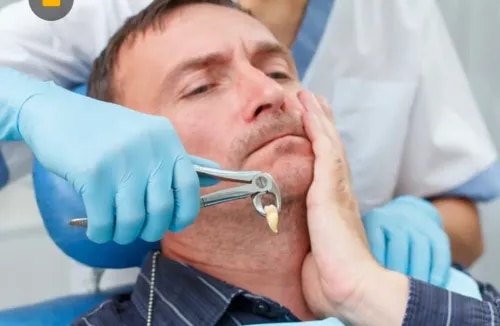
Toothache Treatment service image
Toothache Treatment

Toothache Treatment in Wakad & Pimple Gurav, Pune | OralNest Dental Clinic A toothache can range from mild sensitivity to severe, throbbing pain that makes eating, sleeping or concentrating difficult. Sometimes the pain starts suddenly, while in other cases it develops gradually and becomes more frequent. Although painkillers may temporarily reduce discomfort, they do not necessarily address the underlying dental problem. Effective Toothache Treatment begins with identifying the source of the pain and determining what needs to be treated. At OralNest Dental Clinic, toothache assessment focuses on the symptoms, the condition of the affected tooth, the surrounding gums and the possible involvement of the dental pulp or supporting tissues. Dr. Ashutosh Dighe, BDS, MDS – Oral Medicine & Maxillofacial Radiology, PhD Scholar, Fellowship in Contemporary Endodontics, Certified Endodontist, brings a specialist-oriented approach to evaluating dental symptoms and planning appropriate treatment, including tooth-preserving options when clinically suitable. 1) What Can Cause a Toothache? Tooth pain can arise from several conditions, and the type of pain alone cannot confirm the diagnosis. Common causes include: - Tooth decay that has progressed into deeper layers - Inflammation or infection of the dental pulp - A cracked, chipped or fractured tooth - Gum inflammation or infection around a tooth - A problematic or impacted wisdom tooth - A damaged or leaking filling or crown - Pain while biting due to a dental or bite-related problem - Infection around the root of a tooth Some dental problems cause sharp pain when eating or drinking, while others produce spontaneous throbbing or discomfort that worsens at night. Pain may also spread towards the jaw, ear or surrounding facial region. A clinical examination, appropriate tests and dental X-rays when indicated can help identify the cause and guide treatment. 2) Which Toothache Treatment Is Appropriate for Your Symptoms? The treatment depends on what is causing the pain and how much the tooth has been affected. For a tooth with limited decay, a filling may be sufficient. If the tooth is structurally weakened, a crown or another restoration may be recommended. When the dental pulp is irreversibly inflamed or infected and the tooth can be restored, Root Canal Treatment may help preserve it. A severely damaged tooth that cannot be restored predictably may require extraction. Pain around the gums or wisdom tooth may need a different approach, depending on whether the problem involves inflammation, food trapping, infection or impaction. Not every toothache requires a root canal or extraction, and not every painful tooth can be managed with a filling. At OralNest Dental Clinic, the aim is to establish the diagnosis, explain the available options and determine the most appropriate next step according to the condition of the tooth. Treatment planning also considers whether the tooth can be preserved and what restoration or follow-up care may be needed afterwards. 3) When Is Toothache an Emergency? Severe toothache should not be ignored, particularly when it interferes with sleep, eating or normal activities. Arrange a prompt dental assessment if the pain is persistent, worsening, triggered by biting or accompanied by swelling. Seek urgent care if you experience facial swelling, fever, pus or rapidly increasing pain. Difficulty swallowing or breathing, or swelling that threatens the airway, requires immediate emergency medical attention. Until you receive professional advice, avoid placing aspirin directly on the tooth or gums, as this can injure the tissues. Do not rely on antibiotics or leftover medication without appropriate assessment; antibiotics are not necessary for every toothache and do not replace treatment of the underlying dental cause. If pain relief is needed, consult a qualified healthcare professional or pharmacist about a suitable option for your circumstances. Toothache Treatment in Wakad & Pimple Gurav, Pune Patients searching for Toothache Treatment in Wakad or Pimple Gurav, Pune, may be experiencing persistent tooth pain, severe night-time discomfort, sensitivity while eating, pain during chewing or swelling around a tooth. Timely assessment can help identify whether the problem requires a filling, Root Canal Treatment, gum care, wisdom tooth evaluation or another procedure. OralNest Dental Clinic serves patients from Wakad, Pimple Gurav, Rahatani, Pimple Saudagar, Hinjawadi, Baner, Balewadi, Tathawade and nearby areas of Pimpri-Chinchwad. Whether your toothache has just started or has become difficult to tolerate, the recommended treatment depends on the cause, severity and restorability of the affected tooth. Frequently Asked Questions About Toothache Treatment 1. What should I do if I have a severe toothache? Arrange a prompt dental assessment, especially if the pain is persistent or worsening. If you have facial swelling, fever or rapidly increasing symptoms, seek urgent care. Difficulty breathing or swallowing requires immediate emergency medical attention. 2. Does a toothache always mean I need a Root Canal Treatment? No. Toothache can result from cavities, cracks, gum problems, wisdom tooth conditions and other causes. Root Canal Treatment is considered when the dental pulp is irreversibly damaged or infected and the tooth is suitable for preservation. 3. Why does my toothache become worse at night? Pain may feel more noticeable at night when distractions are reduced. Certain forms of pulp inflammation can also cause spontaneous or night-time pain. An examination is necessary to determine the actual cause. 4. Can toothache go away without treatment? Some symptoms may settle temporarily, but the underlying problem may remain. Pain that disappears does not always mean the tooth has healed, particularly if the pulp is damaged or an infection is present. Persistent or recurring pain should be evaluated. 5. Can antibiotics cure a toothache? Antibiotics are not appropriate for every toothache and cannot repair decay or restore a damaged tooth. They may be indicated in selected infections, depending on the clinical findings. Definitive dental treatment is often necessary to address the source of the problem. Toothache Treatment is not simply about reducing pain; it is about understanding why the pain started and addressing the cause before the condition becomes more complicated. At OralNest Dental Clinic, the focus is on timely assessment, clear explanations and appropriate treatment planning, with the aim of relieving discomfort and preserving the natural tooth whenever clinically feasible.

Kids Dentistry  service image
Kids Dentistry

Description Kids Dentistry in Wakad & Pimple Gurav, Pune | OralNest Dental Clinic A child's dental health begins long before the first permanent tooth appears. From the first baby teeth to the transition into a permanent set, every stage of childhood brings different dental needs. Cavities, toothache, sensitivity, early tooth loss and dental anxiety can affect a child's comfort, eating habits and oral hygiene. Kids Dentistry focuses on preventing dental problems, identifying concerns early and helping children develop healthy habits that support their growing smiles. At OralNest Dental Clinic, children's dental care focuses on understanding the child's age, dental development, symptoms and individual needs. Dr. Ashutosh Dighe, BDS, MDS – Oral Medicine & Maxillofacial Radiology, PhD Scholar, Fellowship in Contemporary Endodontics, Certified Endodontist, brings a diagnostic approach to evaluating dental concerns and planning appropriate care. The aim is to help parents understand their child's dental condition, the available treatment options and the importance of maintaining healthy primary and permanent teeth. 1) When Should You Take Your Child for a Dental Check-Up? A child's first dental visit is recommended by the first birthday or within six months of the first tooth erupting. Regular dental visits thereafter help monitor development and identify problems before they become more complicated. Consider a dental assessment if your child experiences: - Toothache or sensitivity while eating - Brown, black or white spots on the teeth - Cavities or food frequently getting trapped between teeth - Bleeding, swollen or painful gums - Difficulty chewing or discomfort while brushing - A baby tooth that becomes loose too early following an injury - Dental trauma, a chipped tooth or a knocked-out permanent tooth - Fear of dental treatment or difficulty maintaining oral hygiene Baby teeth are important for chewing, speech development and maintaining space for permanent teeth. Although they eventually fall out, untreated decay in primary teeth can cause pain, infection and difficulty eating. Early assessment helps parents understand whether preventive care, monitoring or treatment is needed. 2) What Dental Treatments May Children Need? The appropriate treatment depends on the child's age, symptoms, stage of tooth development and extent of the dental problem. Preventive care may include dental examinations, fluoride treatment when indicated, fissure sealants for suitable teeth and guidance on brushing, diet and cavity prevention. If tooth decay develops, treatment may involve a filling or another restoration. More extensive decay affecting the pulp of a baby tooth may require specialised treatment to manage the affected tissue and preserve the tooth when appropriate. Children may also need evaluation after a dental injury, assessment of early or delayed tooth eruption, or advice about the development of their bite. Not every child requires the same procedures, and treatment recommendations should be based on clinical findings. Parents should seek prompt care for a child with facial swelling, fever associated with dental symptoms or significant tooth pain. A dental injury involving a permanent tooth requires urgent assessment because timely management can influence the outcome. 3) How Can Parents Prevent Cavities and Build Healthy Dental Habits? Daily habits established during childhood can influence oral health for years to come. Parents should supervise brushing until children have the coordination to clean their teeth effectively on their own. Use an age-appropriate amount of fluoride toothpaste and encourage brushing twice daily. Other helpful practices include: - Limiting frequent sugary snacks and sweetened drinks - Avoiding prolonged sipping of sugary beverages - Encouraging water between meals - Cleaning between teeth when adjacent teeth touch - Scheduling dental reviews according to the child's individual needs - Avoiding the use of a child's mouth to test food temperature or sharing utensils when it may transfer cavity-causing bacteria - Seeking advice when a baby tooth is lost earlier than expected A child's comfort and cooperation also matter during dental visits. Explaining procedures in simple language, allowing time for questions and avoiding frightening descriptions can help make dental care less intimidating. If a child has significant dental anxiety, discuss it with the dental team before treatment so that appropriate approaches can be considered. Kids Dentistry in Wakad & Pimple Gurav, Pune Parents looking for Kids Dentistry in Wakad or Pimple Gurav, Pune, may need an assessment for childhood cavities, toothache, preventive dental care, damaged baby teeth or concerns about permanent tooth eruption. A dental examination helps determine what care is appropriate for the child's age and oral health. OralNest Dental Clinic serves families from Wakad, Pimple Gurav, Rahatani, Pimple Saudagar, Hinjawadi, Baner, Balewadi, Tathawade and nearby areas of Pimpri-Chinchwad. Whether your child needs a first dental visit, a routine check-up or evaluation of a painful tooth, the focus is on identifying the problem, explaining suitable options and helping parents make informed decisions about their child's dental health. Frequently Asked Questions About Kids Dentistry 1. When should my child first visit a dentist? The first dental visit is recommended by the first birthday or within six months after the first tooth appears. Early visits help parents receive preventive guidance and allow the dentist to monitor dental development. 2. Do baby teeth really need treatment if they will eventually fall out? Yes, when treatment is indicated. Untreated decay in baby teeth can cause pain, infection and difficulty eating. Primary teeth also help with chewing, speech and maintaining space for permanent teeth. 3. How can I prevent cavities in my child's teeth? Supervise twice-daily brushing with fluoride toothpaste, limit frequent sugary snacks and drinks, encourage water between meals and attend regular dental reviews. Fluoride treatments and fissure sealants may be recommended for suitable children. 4. Are dental X-rays safe for children? Dental X-rays may be recommended when clinically necessary to investigate a suspected problem or assess tooth development. The dentist considers the child's needs and uses appropriate radiation-safety measures. 5. What should I do if my child has a toothache? Arrange a dental assessment, especially if the pain persists, interferes with sleep or is accompanied by swelling. Do not place aspirin directly on the tooth or gums. Facial swelling with fever needs urgent attention, while difficulty breathing or swallowing requires immediate emergency medical care. Kids Dentistry is about more than treating cavities. It involves protecting baby teeth, monitoring developing permanent teeth, preventing avoidable problems and helping children establish healthy habits early in life. At OralNest Dental Clinic, the focus is on appropriate assessment, clear guidance for parents and treatment suited to each child's dental needs, supporting healthier smiles as children grow.

Night Guard & Bruxism  service image
Night Guard & Bruxism

Night Guard & Bruxism Treatment in Wakad & Pimple Gurav, Pune | OralNest Dental Clinic Do you wake up with jaw pain, tightness around the temples, morning headaches or teeth that feel unusually sensitive? Do you notice flattened tooth edges, chipped teeth or soreness in your jaw muscles without an obvious cause? These symptoms may be associated with bruxism, a condition involving involuntary teeth grinding or clenching during sleep or while awake. Over time, excessive or repeated forces can contribute to tooth wear, muscle discomfort and problems affecting existing dental restorations. At OralNest Dental Clinic, Night Guard & Bruxism Consultation focuses on understanding the pattern of clenching or grinding, assessing its effects on the teeth and jaw, and determining whether a protective appliance or additional evaluation may help. Dr. Ashutosh Dighe, BDS, MDS – Oral Medicine & Maxillofacial Radiology, PhD Scholar, Fellowship in Contemporary Endodontics, Certified Endodontist, brings a specialist-oriented approach to evaluating oral discomfort, jaw-related symptoms and dental wear, helping patients understand the possible causes and appropriate management options. 1) What Is Bruxism, and How Can You Recognise It? Bruxism refers to repeated teeth grinding or jaw clenching. Sleep bruxism occurs during sleep, while awake bruxism may involve clenching, sustained jaw tension or repeated contact between the teeth during the day. Some people are unaware of the habit until a partner notices grinding sounds or a dentist identifies signs of tooth wear. Possible signs and symptoms include: - Jaw muscle soreness or tightness, especially in the morning - Headaches around the temples - Flattened, worn or chipped tooth edges - Increased tooth sensitivity - Discomfort while chewing - Tightness or fatigue in the jaw muscles - Damage to fillings, crowns or other dental restorations These symptoms do not automatically confirm bruxism. Jaw pain and headaches can have several causes, including temporomandibular disorders, dental problems and other conditions. A clinical assessment helps determine whether grinding or clenching is likely to be contributing to the problem. 2) How Can a Night Guard Help Protect Your Teeth? A night guard, also called an occlusal splint or bite guard, is an appliance worn over the teeth, usually during sleep, when clinically appropriate. A properly selected and fitted appliance can provide a protective barrier between the upper and lower teeth, helping reduce direct tooth-to-tooth wear and protecting certain dental restorations from excessive contact forces. The design of the appliance depends on the patient's dental condition, symptoms, bite and treatment objectives. A dentist may recommend a custom-fitted appliance after examining the teeth, jaw and existing restorations. The fit should be reviewed periodically, as changes in the teeth, bite or symptoms may affect its suitability. A night guard does not necessarily stop the underlying grinding activity, and it is not a guaranteed cure for jaw pain or headaches. Its main role is often protection of the teeth and restorations, while other contributing factors may need separate attention. A guard should be professionally assessed rather than selected solely on the assumption that every patient with jaw discomfort needs one. 3) What Else Helps Manage Bruxism and Jaw Discomfort? Effective management depends on the severity of the symptoms, the degree of tooth wear and any contributing factors. Along with an appropriate night guard when indicated, patients may benefit from recognising daytime clenching, relaxing the jaw muscles, avoiding habitual tooth contact when not chewing and managing stress where relevant. If jaw muscles are sore, temporary changes such as choosing softer foods and avoiding gum chewing or excessive jaw movements may help reduce strain. Persistent pain, restricted mouth opening, locking or painful clicking may require a separate assessment for temporomandibular disorders rather than assuming bruxism is the only cause. Your dentist may also review medications, sleep-related symptoms and other relevant factors. If there is loud snoring, witnessed pauses in breathing or significant daytime sleepiness, medical evaluation for a possible sleep disorder may be appropriate. The treatment plan should address the patient's actual symptoms and risks rather than relying on a night guard alone. Night Guard & Bruxism Consultation in Wakad & Pimple Gurav, Pune Patients looking for Night Guard & Bruxism Treatment in Wakad or Pimple Gurav, Pune, may be experiencing morning jaw pain, headaches, tooth wear, repeated chipping or suspected sleep-related grinding. An assessment can help determine whether bruxism is likely, whether the teeth need protection and whether additional evaluation is necessary. OralNest Dental Clinic serves patients from Wakad, Pimple Gurav, Rahatani, Pimple Saudagar, Hinjawadi, Baner, Balewadi, Tathawade and nearby areas of Pimpri-Chinchwad. Whether you have noticed grinding sounds during sleep, persistent clenching during work or discomfort around the jaw, the recommended approach depends on your symptoms, clinical findings and dental condition. Frequently Asked Questions About Night Guards & Bruxism 1. How do I know if I grind my teeth at night? You may notice morning jaw soreness, headaches, tooth wear or chipped restorations, or someone may hear grinding sounds during your sleep. However, these signs can have other causes, so a dental assessment is helpful. 2. Does a night guard stop teeth grinding completely? Not necessarily. A night guard primarily helps protect the teeth and certain restorations from direct contact and wear. It may not eliminate the grinding or clenching habit itself. 3. Can bruxism cause jaw pain and headaches? Yes, bruxism may contribute to muscle fatigue, jaw discomfort and headaches around the temples. However, these symptoms can also arise from other conditions, so the cause should be assessed before treatment is chosen. 4. Is a custom night guard better than an over-the-counter guard? A custom-fitted appliance can be designed around your teeth, bite and clinical needs. The appropriate choice depends on the individual case, and any appliance should fit comfortably and be reviewed if it causes pain or changes in the bite. 5. When should I consult a dentist for teeth grinding? Seek an assessment if you have recurring jaw pain, morning headaches, noticeable tooth wear, repeated fractures or damage to fillings and crowns. Persistent jaw locking, restricted opening or worsening pain also warrants evaluation. Night Guard & Bruxism care is about understanding why the teeth and jaw may be under repeated strain and protecting them where necessary. At OralNest Dental Clinic, the focus is on assessing tooth wear and jaw symptoms, determining whether a night guard is appropriate and explaining additional measures that may help manage clenching, grinding and related discomfort over time.

Bad Breath Consultation service image
Bad Breath Consultation

Bad Breath Consultation in Wakad & Pimple Gurav, Pune | OralNest Dental Clinic Persistent bad breath, also known as halitosis, can be frustrating even when you brush regularly, use mouthwash and maintain your daily oral hygiene. The problem may return because the underlying cause has not been identified. Bad breath can be associated with plaque accumulation, gum disease, tooth decay, food trapped between teeth, a coated tongue or reduced saliva flow. In some cases, tonsil-related conditions, sinus problems, certain medicines or other health concerns may also contribute. At OralNest Dental Clinic, Bad Breath Consultation focuses on identifying the possible source of the odour rather than relying on temporary masking products alone. Dr. Ashutosh Dighe, BDS, MDS – Oral Medicine & Maxillofacial Radiology, PhD Scholar, Fellowship in Contemporary Endodontics, Certified Endodontist, brings a specialist-oriented approach to assessing oral conditions and unexplained symptoms. The aim is to help patients understand the likely cause of persistent bad breath and determine which treatment or further evaluation may be appropriate. 1) Why Does Bad Breath Persist Despite Brushing? Bad breath often originates inside the mouth. Bacteria can break down food debris, shed cells and other substances, releasing odour-producing compounds. If the contributing factors remain, the smell may return even after brushing or rinsing. Common causes include: - Plaque and tartar accumulation around the teeth - Gum inflammation or periodontal disease - Tooth decay, damaged teeth or infected dental tissues - A coated tongue, particularly towards the back - Food trapped between teeth or around dental restorations - Dry mouth or reduced saliva flow - Tobacco use and certain dietary habits - Some tonsil, sinus or other medical conditions Persistent bad breath should not automatically be attributed to poor oral hygiene. The cause may involve more than one factor, and identifying it requires considering your symptoms, oral health and relevant medical history. 2) What Happens During a Bad Breath Consultation? The assessment begins with understanding when the odour occurs, how long it has persisted, whether your mouth feels dry and whether you have noticed bleeding gums, tooth pain, a coated tongue or other symptoms. Your oral hygiene routine, medication history and relevant health concerns may also help guide the evaluation. The examination may include checking for cavities, gum disease, plaque and tartar, food-retentive areas, tongue coating and signs of reduced saliva. Depending on the findings, professional dental cleaning, treatment of decay, periodontal care or further evaluation may be recommended. If the likely cause does not appear to be within the mouth, you may be advised to seek assessment from an appropriate medical professional, such as an ENT specialist, depending on your symptoms. Not every patient requires extensive investigations. The appropriate approach is to identify the most likely cause and investigate further when clinically indicated. 3) How Can You Prevent Bad Breath from Returning? Long-term improvement depends on addressing the underlying cause and maintaining effective daily oral hygiene. Brush twice daily with fluoride toothpaste, clean between your teeth every day and gently clean your tongue. Drink sufficient water and discuss persistent dry mouth with your dentist, particularly if it began after starting a medication. Other helpful measures include: - Attending dental reviews at an appropriate interval - Getting professional cleaning when plaque or tartar requires removal - Treating gum disease and untreated cavities - Cleaning around dental restorations carefully - Avoiding tobacco products - Limiting frequent consumption of foods or drinks that worsen dryness or odour for you Mouthwash may help in selected situations, but it cannot replace treatment for gum disease, tooth decay or other underlying conditions. If bad breath continues despite good oral hygiene, repeating the same routine or frequently changing products may not solve the problem. A targeted assessment can help identify what needs attention. Bad Breath Consultation in Wakad & Pimple Gurav, Pune Patients searching for Bad Breath Consultation in Wakad or Pimple Gurav, Pune, may be concerned about persistent mouth odour, an unpleasant taste, a coated tongue, dry mouth or bad breath that returns soon after brushing. A dental assessment can help identify whether the problem is associated with the teeth, gums, tongue, saliva or another possible source. OralNest Dental Clinic serves patients from Wakad, Pimple Gurav, Rahatani, Pimple Saudagar, Hinjawadi, Baner, Balewadi, Tathawade and nearby areas of Pimpri-Chinchwad. Whether you experience bad breath occasionally or have been struggling with it for a long time, the focus is on understanding the likely cause and choosing appropriate care rather than simply masking the odour. Frequently Asked Questions About Bad Breath Consultation 1. Why do I have bad breath even after brushing my teeth? Brushing may not remove all the plaque between teeth or around the gumline, and it may not address tongue coating, gum disease, cavities or dry mouth. A consultation can help identify the factors responsible for persistent odour. 2. Can gum disease cause persistent bad breath? Yes. Plaque accumulation and periodontal disease can contribute to persistent mouth odour and an unpleasant taste. Treatment depends on the condition of the gums and the extent of any supporting tissue damage. 3. Can a coated tongue cause bad breath? Yes. Bacteria and debris can accumulate on the tongue's surface, particularly towards the back, and contribute to odour. Gentle tongue cleaning may help, but persistent symptoms may have additional causes. 4. Can dry mouth lead to bad breath? Yes. Saliva helps clear food debris and supports the natural balance of the mouth. Reduced saliva flow can allow odour-producing substances to accumulate. Persistent dry mouth should be assessed, particularly when associated with medication use or other symptoms. 5. When should I consult a dentist for bad breath? Consider a consultation if bad breath persists despite regular oral hygiene, repeatedly returns after brushing or occurs alongside bleeding gums, tooth pain, dry mouth or an unpleasant taste. If the cause appears unrelated to the mouth, further medical evaluation may be appropriate. Persistent bad breath is a symptom that deserves a proper explanation, not embarrassment or repeated attempts to mask it. At OralNest Dental Clinic, the focus is on assessing oral health, identifying possible contributing factors and recommending appropriate treatment or further evaluation to help patients manage the problem with greater confidence.

Subcategory Tags

Best Doctor For Root Canal Treatment In WakadRCT Dentist in WakadRoot Canal Dentist Near MeRoot Canal Treatment Specialist In WakadRoot Canal Treatment in Wakad

Contact Us

Live Chat

Connect over WhatsApp to resolve your queries realtime.